
Recent Posts
Categories
The True Cost of Ignoring Slow Drains: From Scale to Sewer Line Failure
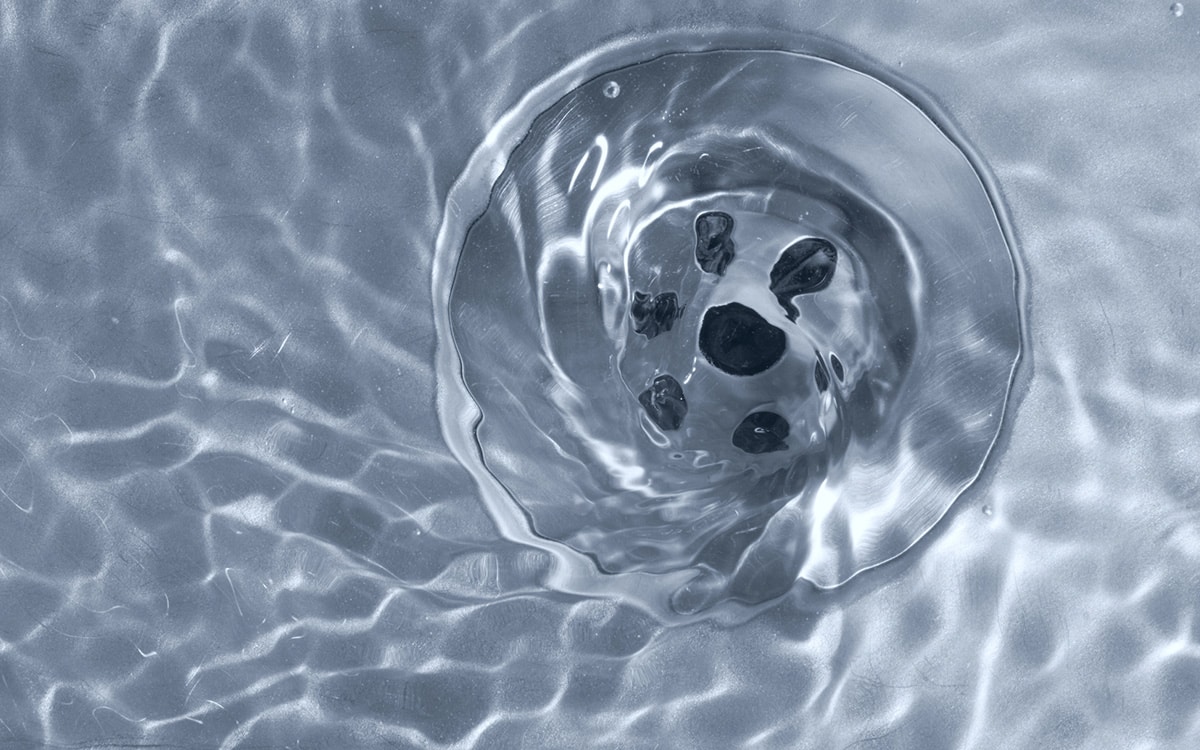
Ignoring slow drains can lead to serious plumbing issues, including pipe corrosion and costly repairs. Early intervention can prevent minor blockages from escalating into major failures.
- Slow drains often indicate mineral scale buildup and can lead to partial blockages, increasing the risk of bacteria growth.
- Neglecting these issues can result in significant damage, including sewer line failures and expensive repairs.
- Addressing slow drains promptly with professional cleaning can save homeowners from extensive plumbing emergencies.
Ignoring slow drains can lead to significant plumbing issues, including partial blockages from mineral scale and debris buildup. This can cause pipe corrosion, leaks, and eventually severe problems like sewer line damage or backups, resulting in costly repairs that could have been avoided with timely maintenance.
Many homeowners see a slow drain as a minor annoyance, but plumbing professionals know it’s often the first warning sign of bigger problems developing inside the pipes. Slow drainage usually begins with mineral scale from hard water building up along pipe walls, narrowing the flow of water. As debris like soap, grease, hair, and food particles collect in these narrowed areas, partial blockages form and create ideal conditions for bacteria and biofilm growth. Over time, this buildup can accelerate pipe corrosion, cause cracks or leaks, and eventually lead to major plumbing failures such as sewer line damage or backups. What could be solved with a simple drain cleaning for a few hundred dollars can quickly escalate into thousands of dollars in pipe repairs or full sewer line replacement if ignored.
The Hidden Danger Behind That Slow-Draining Sink
A slow-draining sink is more than just a minor inconvenience; it’s a sign that something is restricting the flow inside your pipes. When water can’t move freely through the drain, it begins to pool and linger inside the plumbing system, creating the perfect conditions for buildup and damage to develop.
Standing water and trapped debris allow bacteria to grow rapidly, forming a slimy layer known as biofilm along the pipe walls. These bacteria produce hydrogen sulfide gas, which can corrode metal pipes and weaken the plumbing system over time. At the same time, the constant pressure from backed-up water places extra strain on seals, gaskets, and pipe connections, causing them to wear out faster than normal.
Meanwhile, the original clog continues to grow. Grease, soap scum, hair, food particles, and mineral deposits combine to form thicker blockages that further restrict water flow. What starts as a minor obstruction can eventually develop into a complete blockage or travel deeper into the drainage system, potentially affecting the main sewer line.
Ignoring a slow drain allows these problems to escalate, increasing the risk of leaks, pipe damage, sewage backups, and costly plumbing repairs. Addressing the issue early with professional drain cleaning can prevent small problems from turning into major plumbing failures.
What Your Drains Are Actually Trying to Tell You
When water takes more than three seconds to leave your sink, your drain is warning you about a blockage in the curved pipe underneath (called a P-trap) or in the connecting pipes.
Your plumbing shows this problem through clear signs: gurgling noises mean air is pushing through a partial clog, water that won’t go down means the pipe can’t handle normal flow, and clogs that keep coming back point to pipe damage or tree roots growing inside.
When several drains in your home slow down at the same time, the problem sits in your main sewer line, not just one fixture.
Bad smells mean bacteria buildup and sewer gas leaking into your home—a dangerous situation since these gases include toxic hydrogen sulfide and explosive methane.
Your drainage system works like a smoke detector for your plumbing.
When you ignore what it’s telling you, small clogs turn into pipe bursts and sewage backups that need immediate emergency repairs.
Getting a plumber to check your drains within two days of noticing problems stops repair costs from multiplying by ten times or more and keeps your home’s plumbing from serious damage.
From Minor Nuisance to Major Catastrophe: The Timeline of Drain Deterioration
Slow drains break down in four predictable phases that plumbing professionals track and document. Phase one shows partial blockages that slow water drainage, building up over several weeks.
Phase two brings standing water that won’t go down and clogs that keep coming back, showing significant buildup inside the pipes.
Phase three shows complete drainage failure—water stops flowing, backs up into sinks or tubs, and creates overflow situations that spread contaminated water.
Phase four means catastrophic system breakdown with corroded pipes, water damage to walls and floors, and sewage line failures that need immediate professional response.
Each phase multiplies repair costs and health dangers. The progression from phase one to phase four can happen within months in homes with older plumbing infrastructure or high mineral content in the water supply.
Addressing problems during phase one stops the chain reaction of failures that define later stages, preserving both property structure and household safety.
Drainage systems depend on consistent water flow through pipe networks. Soap residue, hair, food particles, mineral deposits, and grease accumulation reduce pipe diameter over time.
Standing water creates environments for bacterial growth, including E. coli and Salmonella. Backup events contaminate living spaces with wastewater containing pathogens and chemical pollutants.
Moisture penetration from leaking pipes damages building materials like drywall, wood framing, and insulation, creating conditions for mold growth, including toxic species like Stachybotrys chartarum.
Professional plumbers use camera inspection equipment, hydro-jetting systems, and enzymatic treatments to restore drain function during early phases.
Phase four situations require pipe replacement, structural repairs to water-damaged building components, and environmental remediation services.
The Real Financial Impact: Breaking Down Repair Costs
The cost of plumbing repairs rises quickly when slow drains are ignored. What often begins as a simple blockage can usually be resolved with routine professional drain cleaning using mechanical augers or hydro-jetting equipment. Addressing the issue early keeps the problem contained and prevents damage to the rest of the plumbing system.
However, when buildup, corrosion, or tree roots continue to grow inside the pipes, the damage can extend beyond a single drain. Sections of the pipe may need to be repaired or replaced once the pipe structure begins to weaken or crack. If the problem spreads to the main sewer line, repairs become far more complex and may require excavation to access and replace the damaged piping.
Additional damage can increase costs even further. Sewage backups may require professional water damage cleanup and sanitation, while long-term moisture problems can contribute to structural issues in floors or foundations. Emergency plumbing services during sudden system failures can also carry significantly higher rates.
Scheduling a professional drain inspection or cleaning at the first sign of slow drainage is the most effective way to avoid these escalating repair costs. Early maintenance helps keep pipes clear, protects the plumbing system, and prevents minor issues from turning into major and expensive plumbing emergencies.
How Slow Drains Lead to Pipe Corrosion and Structural Damage
Water sitting in drains creates chemical reactions that break down metal pipes. The constant wetness speeds up damage to the plumbing system.
Minerals and rotting waste in the trapped water make acidic chemicals that destroy the protective layers on pipes. This exposes the bare metal underneath to elements that cause rust and corrosion.
Cast iron pipes and galvanized steel pipes get damaged faster than other materials. Rust forms and creates tiny holes in the metal. These pinholes grow larger and cause leaks. The pipes can fail if the corrosion continues.
Water damage extends past the pipes themselves. Corroded pipe joints leak water into nearby building materials.
Wooden floor joists absorb the moisture and begin to rot. Wall studs and subfloors get wet and develop mold growth. The fungal colonies spread through wet wood and create health hazards.
Concrete foundation walls soak up the escaping water. This weakens the structural integrity of the concrete.
White mineral deposits called efflorescence appear on the surface. These deposits signal ongoing moisture problems in the foundation.
Deteriorating plumbing combined with rotting structural supports requires major repair work. Property owners must replace corroded pipe sections and remove mold contamination.
Contractors need to reinforce or replace damaged wooden beams and floor structures. Foundation repairs may include waterproofing and concrete restoration.
These extensive repairs cost significantly more than fixing a slow drain early. A simple drain cleaning or pipe repair costs a few hundred dollars.
Complete pipe replacement, mold remediation, and structural repairs run into thousands of dollars. Catching drainage problems early protects both the plumbing infrastructure and the building structure.
The Health Risks Lurking in Stagnant Water
Blocked drains cause more than just pipes and floors to break down. Standing water becomes a home for dangerous germs that can make people sick. The wet, dark space inside drains lets bacteria multiply fast, sending harmful particles into the air inside homes and buildings.
Main health dangers include:
- Legionella bacteria: This germ grows in warm water that sits still. When tiny water drops float into the air, and people breathe them in, it causes serious lung infections like Legionnaires’ disease.
- Mold spores: These fungi grow on wet surfaces around slow-moving drains. They cause allergic reactions, make asthma worse, and create long-term breathing problems.
- Stomach illness germs: Bacteria like E. coli and Salmonella build up in the slimy layer (biofilm) inside drains. Water splashing out of sinks and tubs spreads these germs to counters and other surfaces.
People at highest risk include young children, older adults, and anyone with a weak immune system from illness or medical treatment.
Getting drains cleaned by professionals removes the standing water before harmful germs can grow and spread.
Regular drain cleaning and inspection prevent water from pooling in plumbing systems. This maintenance protects household members from waterborne diseases and respiratory infections linked to contaminated drainage systems.
The Domino Effect: How One Slow Drain Can Compromise Your Entire System
A slow drain in your home connects to every other drain through your plumbing network. When one drain gets blocked, the problem spreads to other parts of the system like falling dominoes. The blockage creates extra pressure that pushes dirty water into pipes that were working fine before.
Your home’s drainage system faces these main problems:
- Pressure imbalances push sewage backward through weak spots in the pipes
- Bacterial slime growth moves from clogged areas into clean drainpipes
- Physical damage occurs at pipe connections when water sits too long
One small clog grows into bigger problems throughout your plumbing. Waiting to fix the issue lets harmful bacteria spread through the pipe network. Standing water also reacts with pipe materials and weakens them over time. A simple slow drain becomes a serious problem that needs repairs in multiple locations and sometimes complete pipe replacement.
The water pressure in your drainage system should stay balanced. When a clog blocks normal flow, water seeks other routes through your plumbing. This redirected flow strains pipe joints, loosens seals, and creates new weak points. Each connection point in your system, whether PVC, copper, or cast iron, experiences stress it wasn’t designed to handle.
Bacterial biofilm acts like a living organism inside your pipes. This slimy coating starts at the blockage site but feeds on organic matter in wastewater. The biofilm layer thickens and spreads to adjacent pipes, narrowing the passage and catching more debris. This self-reinforcing cycle turns one problem area into a network-wide contamination issue.
The chemical composition of standing wastewater attacks different pipe materials in specific ways. Acidic compounds corrode metal pipes. Oils and fats coat pipe interiors. Mineral deposits calcify and harden. Each day of delay allows these destructive processes to advance further into your plumbing infrastructure.
Water Damage to Walls, Floors, and Foundations: The Unseen Consequences
When drains move slowly, water backs up or leaks from pipe connections. This water seeps into building materials like walls, floors, and wood beams. Water moves through tiny spaces in materials (called capillary action) and flows downward due to gravity.
Drywall soaks up water in just a few minutes. Wet drywall creates the perfect environment for mold spores to grow and weakens the wall structure. Wood beams and supports change size and shape when they absorb water. When wood moisture levels go above 20%, the lumber warps and begins to rot.
The floor layers underneath your visible flooring break down fast when wet. This weakening reduces how much weight the floor can hold and creates dangers for people walking on it.
Foundation problems start when ongoing leaks soak the soil around your home. Wet soil pushes against the basement walls and the concrete footings that support your house (this pushing force is called hydrostatic pressure). When water fills concrete and then freezes and thaws repeatedly, tiny cracks form throughout the material.
Metal rebar inside concrete rusts when water reaches it. This corrosion can cut the foundation’s strength in half over several years.
Home insurance companies report that water damage claims cost about $10,000 on average per incident. Foundation repair costs reach $25,000 or more. Property owners who catch plumbing problems early and maintain their drainage systems avoid these expensive structural failures.
Regular drain maintenance protects your home’s value and prevents costly repairs.
The Impact on Your Home’s Property Value
When people shop for homes, they watch for warning signs. Slow drains and water backup problems send clear messages that something is wrong. Home inspectors and real estate appraisers pay close attention to plumbing systems because drainage failures often connect to bigger structural damage.
Most states require sellers to tell buyers about known plumbing defects. This legal requirement gives buyers the power to demand lower prices or ask for repairs before closing the deal. A home with drainage problems looks like a home the owner didn’t care for properly. This perception leads buyers to dig deeper, and their inspectors frequently find additional issues with the foundation, sewer lines, or water damage.
Your home’s market value takes a hit through several paths:
- Lower appraisal values between 5-15% when drainage problems suggest foundation cracks or broken sewer pipes might exist.
- Inspection failures that force you to pay for repairs before selling, keep your house on the market longer, and give buyers leverage to negotiate harder.
- Insurance denials because more companies refuse to cover homes with documented plumbing defects.
Real estate agents rank working plumbing systems in the top ten features that help homes sell quickly and at full price. The cost of ignoring slow drains goes beyond fixing the immediate problem. Poor drainage reduces your home equity and creates cascading financial losses that grow over time.
Taking care of drainage issues right away protects your investment and maintains your home’s worth in the real estate market.
Why DIY Solutions Only Provide Temporary Relief
When homeowners notice slow drainage in their sinks or bathtubs, they usually grab chemical drain cleaners or plungers. These quick fixes seem to work at first, but they only handle surface problems. The real issues, like mineral scale accumulation, pipe corrosion, or structural damage, remain hidden. Professional plumbers use specialized inspection equipment like video cameras to see inside drainage systems. Chemical drain cleaners create serious risks for household plumbing. These products generate intense heat that weakens old pipes made of galvanized steel, copper, or PVC. The toxic fumes from these chemicals can harm people and pets in the home.
Homeowners lack the diagnostic tools to spot critical problems developing in their plumbing infrastructure. Video inspection reveals issues like tree root intrusion through pipe joints, collapsing sewer lines, or sections where pipes have deteriorated from decades of use. These conditions need immediate attention from licensed plumbers who can perform proper repairs or replacements.
The drainage system in a house connects multiple fixtures through a network of pipes that lead to the municipal sewer system or septic tank. When one section fails, it affects water flow throughout the entire property. Band-aid solutions waste money and allow damage to spread.
Professional Drain Cleaning vs. Emergency Plumbing Repairs: Why Prevention Matters
Routine drain cleaning is one of the simplest and most affordable ways to protect your plumbing system. When performed regularly, professional cleaning removes grease, mineral buildup, soap residue, and other debris before they have the chance to form serious blockages.
Emergency plumbing repairs, on the other hand, often occur after a problem has already escalated into a major failure, such as a burst pipe, severe blockage, or sewage backup. These situations typically require far more time, labor, and specialized equipment to resolve. In many cases, repairs may also involve structural work inside the home, including removing damaged drywall, replacing flooring, and addressing mold or moisture issues caused by water intrusion.
Emergency service calls can also carry higher labor rates, especially when plumbing failures occur at night, on weekends, or during holidays. Specialized tools such as hydro-jetting systems, sewer inspection cameras, and excavation equipment may also be needed to diagnose and repair the underlying problem.
Another important factor is insurance coverage. Many homeowner policies require deductibles before coverage applies, and some plumbing-related damage may not be fully covered, leaving homeowners responsible for a significant portion of the repair costs.
Regular inspections and drain maintenance help prevent this chain reaction of damage. During routine service visits, licensed plumbers can identify early signs of corrosion, root intrusion, or developing clogs before they lead to major plumbing failures. Because your home’s drainage system is connected to the main sewer line, a problem in one section can quickly affect the entire network. Professional diagnostic tools allow plumbers to inspect pipe conditions, map the system, and address trouble areas early.
Consistent maintenance not only keeps drains flowing properly but also protects your home’s structure, preserves property value, and reduces the risk of costly plumbing emergencies.
The Smart Homeowner’s Approach: Prevention and Early Intervention Strategies
Proactive homeowners know that consistent maintenance is the most effective way to avoid costly plumbing emergencies. Instead of waiting for a major clog or sewer backup, they follow a simple prevention strategy that includes routine checks, preventative treatments, and fast action when early warning signs appear. Small steps—such as flushing drains regularly, monitoring how quickly sinks and tubs empty, and scheduling professional inspections—help identify problems long before they damage pipes or disrupt the entire drainage system.
A practical maintenance plan often includes monthly preventative drain treatments, quarterly checks of drainage speed and performance, and an annual professional inspection using specialized tools like video pipe cameras. These inspections allow plumbers to spot developing clogs, root intrusions, corrosion, or pipe misalignment before the damage spreads.
Early intervention is critical. Homeowners should contact a licensed plumber if drains remain slow, odors persist, or DIY solutions fail to resolve the issue quickly. Acting early prevents minor buildup from turning into severe blockages that affect the main sewer line.
Common Warning Signs to Watch For:
- Multiple sinks, tubs, or toilets backing up at the same time
- Persistent sewage or musty odors inside or outside the home
- Slow drainage throughout the house
- Gurgling sounds coming from drains or toilets
Benefits of Regular Drain Maintenance:
- Lower long-term plumbing repair costs
- Fewer unexpected plumbing emergencies
- Longer-lasting pipes and drainage systems
- Improved home value and resale appeal
- Healthier indoor living conditions
Keeping records of inspections, cleanings, and repairs can also be valuable. Organized maintenance records help plumbers track recurring issues, identify patterns in your plumbing system, and provide proof of proper upkeep for future homebuyers. With the right preventative approach, homeowners can protect their plumbing system and avoid the expensive consequences of neglected drains.