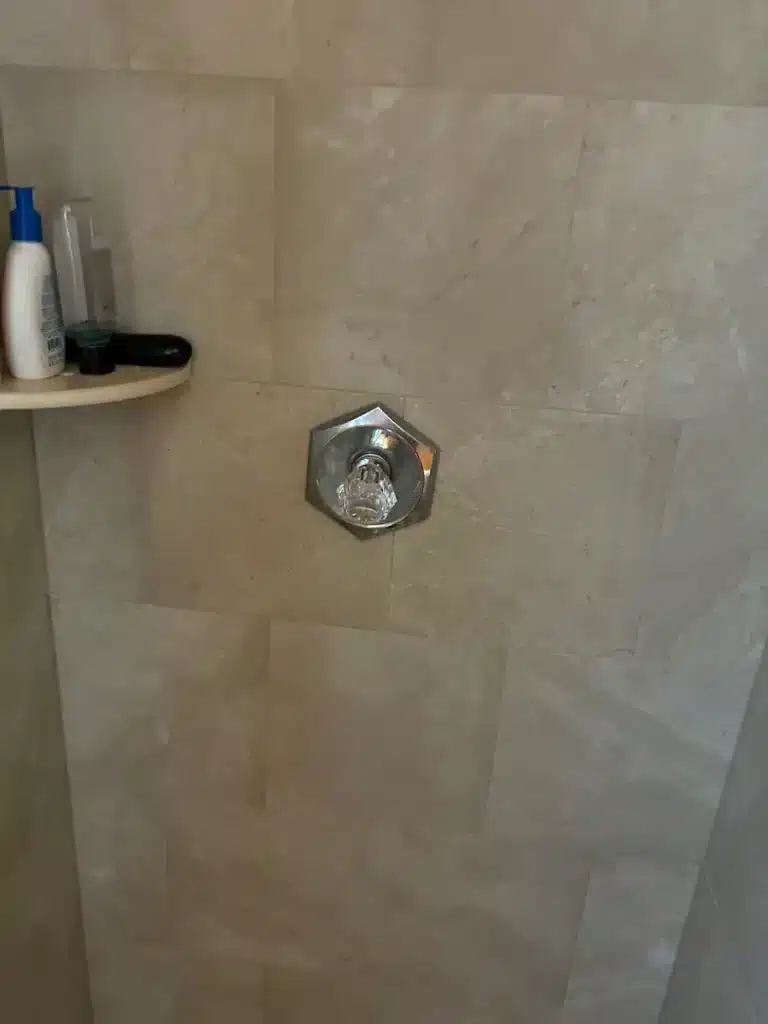
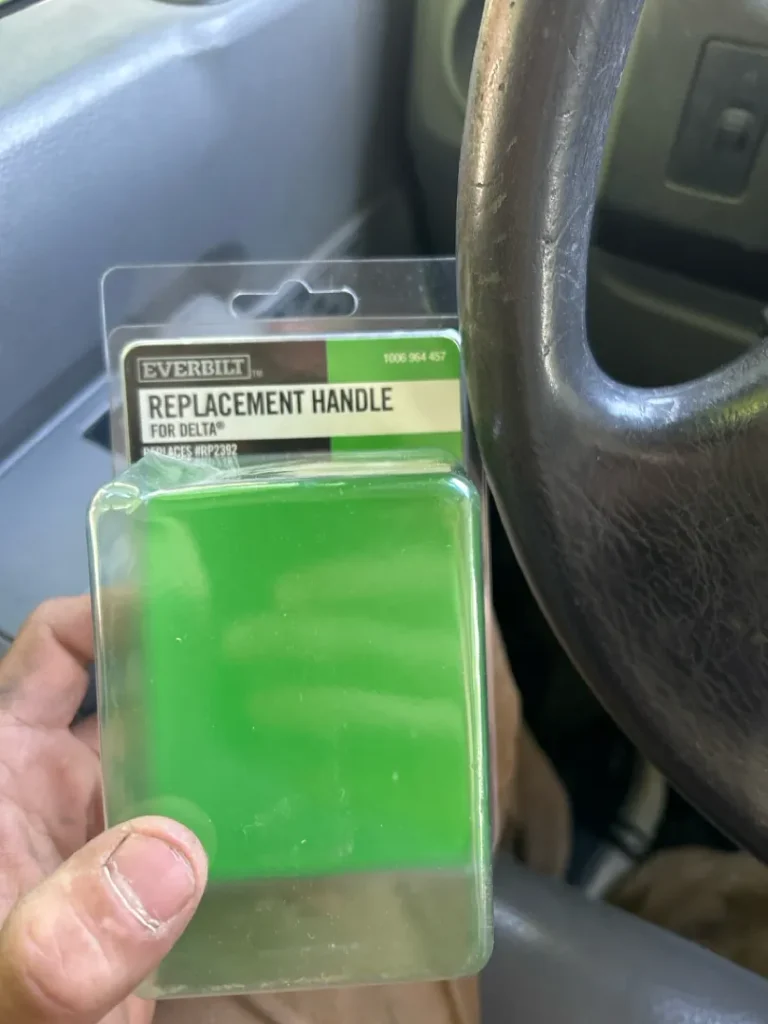
Shower plumbing issues in Wheat Ridge can significantly disrupt daily routines, with problems ranging from temperature fluctuations to persistent leaks. The unique characteristics of local homes and water conditions necessitate professional diagnosis and tailored solutions.
Shower plumbing includes the entire water delivery and drainage system, which can be affected by aging materials and local water quality. They provide comprehensive diagnostics to identify hidden leaks and assess system performance.
Common issues include fluctuating water temperature, reduced pressure, and slow drainage, often linked to older plumbing infrastructure.
Cardom Plumbing & Heating offers expert repair services, utilizing modern techniques and tools to ensure effective solutions for Wheat Ridge residents.
What are common shower plumbing problems?
Common shower plumbing problems include slow drainage, temperature fluctuations, and persistent leaks. These issues can disrupt daily routines by causing water to pool around the feet, creating discomfort from sudden temperature changes, or leading to wasted water and increased bills due to leaks.
Shower Plumbing Services in Wheat Ridge, CO
Your morning routine grinds to a halt when the shower refuses to cooperate. Maybe water pools around your ankles instead of draining. Perhaps the temperature swings wildly between scalding and freezing. Or that persistent drip keeps you awake at night, wasting water and money with every drop. Shower plumbing problems disrupt daily life in ways few other household issues can match.
Shower plumbing encompasses the complete water delivery and drainage system serving your bathing area – from supply lines and mixing valves to showerheads, drain assemblies, and the waste pipes carrying water away. Professional diagnosis matters because shower systems involve multiple interconnected components hidden behind walls and beneath floors. What appears as a simple leak might indicate valve failure, pipe corrosion, or improper installation that only trained eyes can identify.
Wheat Ridge presents unique challenges for shower plumbing systems. The city's housing stock spans multiple decades, with many homes built during the 1950s through 1970s containing original galvanized pipes now approaching the end of their service life. Colorado's hard water accelerates mineral buildup inside fixtures and supply lines, while dramatic temperature swings stress pipe joints and connections throughout the year.
Complete diagnosis of water pressure, temperature control, and drainage performance
Identification of hidden leaks before they cause structural damage
Assessment of fixture compatibility with existing plumbing infrastructure
Professional solutions tailored to Wheat Ridge's specific water conditions and housing characteristics
Cardom Plumbing & Heating provides Shower Plumbing services in all neighborhoods of Wheat Ridge including Applewood Lane, Kipling Villiage, Outlook Clear Creek, The Ridge, and Vista Village.
Wheat Ridge sits at an elevation of approximately 5,400 feet, where lower atmospheric pressure affects water behavior differently than at sea level. This altitude combines with Denver Water's municipal supply – treated surface water from mountain reservoirs – to create specific conditions that impact shower performance over time.
The city's infrastructure reflects its development history. Neighborhoods near 44th Avenue and Wadsworth feature homes from the post-war building boom, often containing original cast iron drain lines and galvanized steel supply pipes. These materials served well for decades but now show their age through reduced flow, pinhole leaks, and internal corrosion that releases rust particles into water streams.
Seasonal Factors Affecting Shower Systems
Colorado's freeze-thaw cycles create particular stress on shower plumbing. Pipes running through exterior walls or unheated spaces face freezing risks during winter cold snaps. Spring temperature fluctuations cause pipe expansion and contraction that loosens fittings over time. Summer monsoon humidity can accelerate corrosion in poorly ventilated bathroom spaces.
Hard water mineral deposits – Calcium and magnesium accumulate inside showerheads, valves, and supply lines, restricting flow and damaging seals
Aging galvanized pipes – Homes built before 1980 often contain corroding steel pipes that reduce pressure and contaminate water
Pressure fluctuations – Municipal system demands during peak hours cause inconsistent shower performance across older neighborhoods
Drain line deterioration – Cast iron waste pipes develop scale buildup and eventual failure after 50-60 years of service
Improper previous repairs – DIY fixes and substandard work create ongoing problems that worsen over time
Foundation settling – Clay soils common in Wheat Ridge shift seasonally, stressing underground drain connections
Warning Signs Requiring Professional Attention
Watch for these indicators that your shower plumbing needs service:
Water temperature that fluctuates unexpectedly during use
Reduced water pressure compared to other fixtures
Slow drainage or standing water in the shower pan
Visible rust or discoloration in water when first turning on the shower
Musty odors suggesting hidden moisture or mold growth
Water stains on ceilings below second-floor bathrooms
Grout deterioration or loose tiles around shower areas
Cardom Plumbing & Heating approaches shower plumbing with systematic diagnostic methods that identify root causes rather than just treating symptoms. Our process begins with understanding your specific concerns and expands into comprehensive system evaluation.
Our Diagnostic and Repair Process
Initial consultation – We discuss your shower's behavior, history of problems, and any changes you've noticed in performance
Visual inspection – Examination of visible components including showerhead, handles, spout, drain, and surrounding tile or enclosure
Pressure testing – Measurement of water pressure at the shower compared to other fixtures to identify supply line restrictions
Valve assessment – Evaluation of mixing valve function, cartridge condition, and temperature control mechanisms
Drain evaluation – Camera inspection when needed to assess drain line condition and identify blockages or damage
Findings presentation – Clear explanation of discovered issues with repair options and recommendations
Professional repair or installation – Expert execution using quality materials appropriate for Wheat Ridge conditions
System testing – Verification of proper function including temperature stability, pressure consistency, and drainage speed
Techniques and Methods
Our technicians employ multiple approaches depending on the situation:
Hydro-jetting – High-pressure water cleaning for drain lines clogged with mineral scale or debris
Video inspection – Fiber-optic cameras reveal pipe interior conditions without destructive exploration
Pressure-balancing valve installation – Modern valves that maintain consistent temperature despite system pressure changes
Water filtration integration – Point-of-use solutions that reduce hard water effects on shower fixtures
Leak detection equipment – Electronic and acoustic tools that pinpoint hidden water escape without opening walls
Communication Throughout the Process
We keep you informed at every stage. Before beginning work, you receive a clear explanation of what we've found and what repairs involve. During the process, we alert you to any additional discoveries that might affect the scope of work. After completion, we walk you through what was done and provide maintenance recommendations specific to your system.
Why Choose Cardom Plumbing & Heating
Cardom Plumbing & Heating brings licensed, insured expertise to every shower plumbing project in Wheat Ridge. Our technicians hold current Colorado plumbing licenses and participate in ongoing training to stay current with evolving codes, materials, and techniques. We understand the specific requirements of Jefferson County permitting when projects require official approval.
Local knowledge shapes our approach. We've worked extensively throughout Wheat Ridge neighborhoods – from the older homes near Prospect Park to newer construction along Youngfield Street. This experience means we arrive prepared for the pipe materials, fixture types, and installation methods common to different eras of local construction. We know which manufacturers produced the valves in 1960s ranch homes and which replacement parts actually fit.
Our Service Commitments
Responsive scheduling – Same-day and next-day appointments available for urgent shower problems
Transparent communication – No surprises on scope or approach; we explain before we proceed
Quality materials – We install components rated for Colorado's water conditions and climate
Workmanship follow-up – We stand behind our repairs and respond promptly if issues arise
Respect for your home – Clean work areas, protective coverings, and thorough cleanup after every job
Our diagnostic equipment includes modern leak detection tools, video inspection cameras, and pressure testing apparatus that allow accurate assessment without unnecessary demolition. When we identify a problem, we can show you exactly what we've found rather than asking you to take our word for it.
Wheat Ridge's housing stock tells the story of Denver's suburban expansion. The city incorporated in 1969, but residential development began much earlier. Census data shows the median home age in Wheat Ridge exceeds 50 years, with substantial construction occurring between 1950 and 1975. This timeline has direct implications for shower plumbing systems throughout the community.
Plumbing Materials by Construction Era
Pre-1960 homes – Often contain galvanized steel supply lines and cast iron drain pipes; original fixtures may include two-handle shower valves with compression-style stems
1960s-1970s construction – Transition period featuring copper supply lines but potentially galvanized branches; early single-handle valves with proprietary cartridges
1980s-1990s homes – Copper predominates; pressure-balancing valves become standard; PVC drain lines replace cast iron
2000s and newer – PEX supply lines appear; thermostatic mixing valves in some installations; ABS or PVC drainage throughout
Common Home Styles and Their Plumbing Characteristics
Ranch-style homes dominate many Wheat Ridge neighborhoods. These single-story structures typically feature bathrooms with slab-on-grade plumbing – drain lines embedded in concrete foundations. Accessing these pipes for repair requires specialized techniques and equipment. Two-story homes present different challenges, with second-floor bathroom leaks potentially damaging ceilings and walls below.
Basement bathrooms – common additions in Wheat Ridge homes – often involve ejector pump systems for waste removal. Shower drains in below-grade installations require proper backflow prevention and regular maintenance to function reliably.
Slab-foundation homes may need tunneling or pipe rerouting for major drain repairs
Crawl space access simplifies some repairs but introduces moisture and pest concerns
Denver Water supplies Wheat Ridge through a system drawing from mountain watersheds including the South Platte River basin and various reservoir systems. The utility treats this surface water to meet federal standards, but mineral content remains a factor for household plumbing. Water hardness in the Denver metro area typically measures between 50-150 parts per million – moderate by national standards but sufficient to cause gradual scale accumulation in shower fixtures and valves.
Chlorine and chloramine used for disinfection can accelerate rubber seal degradation in older valve cartridges. Homes with original 1960s shower valves often experience premature seal failure compared to installations using modern EPDM rubber components designed for treated municipal water.
Climate Impacts on Shower Plumbing
Winter freezing – Temperatures regularly drop below 0°F during cold snaps; pipes in exterior walls or unheated spaces face burst risk
Low humidity – Colorado's dry climate can cause grout and caulk to crack prematurely around shower enclosures
Temperature swings – Daily variations of 30-40 degrees stress pipe joints and fittings through repeated expansion and contraction
Hail events – Severe storms occasionally damage roof vents, allowing water intrusion that affects bathroom plumbing
Soil and Drainage Considerations
Wheat Ridge sits on varied soil types including expansive clay prevalent throughout the Front Range. These soils swell when wet and shrink during dry periods, creating ground movement that stresses underground drain lines. Homes built on clay soils may experience shifting that separates pipe joints or cracks rigid drain materials over time.
The city's storm drainage system handles significant runoff during summer monsoon season. Sewer backups during heavy rain events can affect shower drains in some neighborhoods, particularly areas with combined sewer systems or aging infrastructure. Proper backflow prevention becomes especially relevant for basement shower installations.
Wheat Ridge Water Infrastructure & Municipal System Data
Wheat Ridge receives water service primarily through Denver Water, though some areas connect to Consolidated Mutual Water Company or other smaller providers. Denver Water's distribution system includes mains ranging from 4 inches to over 60 inches in diameter, with significant portions of the local network installed during the mid-20th century expansion period. Aging water mains can contribute to pressure fluctuations and occasional sediment disturbance that affects shower water quality.
The city's sanitary sewer system connects to the Metro Wastewater Reclamation District for treatment. Jefferson County maintains records indicating that portions of Wheat Ridge's sewer infrastructure date to the 1950s and 1960s, with ongoing rehabilitation projects addressing the oldest segments. Homeowners bear responsibility for sewer laterals – the pipes connecting individual properties to main sewer lines – which often match the age of the homes they serve.
Infrastructure Statistics Relevant to Shower Plumbing
Denver Water serves approximately 1.5 million people across the metro area through over 3,000 miles of pipe
Average water pressure in residential areas ranges from 40-80 PSI depending on elevation and distance from pressure zones
Jefferson County issues approximately 2,500-3,000 plumbing permits annually for residential repairs and improvements
Wheat Ridge's elevation variation – from about 5,300 to 5,700 feet – creates pressure zone differences across neighborhoods
Winter pipe freeze claims increase significantly during extended cold periods, with January and February seeing peak emergency calls
These infrastructure realities directly impact shower plumbing performance. Homes at higher elevations within Wheat Ridge may experience lower baseline pressure, making showerhead selection and valve specification particularly relevant. Properties with original galvanized service lines from the street often show reduced flow that affects shower performance even when interior plumbing has been updated. Understanding how your home connects to municipal systems helps inform appropriate repair and upgrade strategies.
In Wheat Ridge, common shower plumbing issues include slow drainage, fluctuating water temperatures, and leaks. Many homes built in the mid-20th century have aging pipes that can lead to reduced water flow and corrosion, causing rust particles to appear in the water.
Signs that your shower plumbing may need repair include water pooling around your feet while showering, inconsistent water temperature, and visible leaks. If you notice any of these issues, it's advisable to consult a professional to diagnose the problem.
Fluctuating water temperatures in your shower can be caused by issues with the mixing valve or problems with the water supply lines. This can happen if there are hidden leaks or if the plumbing system is not properly balanced.
You can find reliable shower plumbing services in Wheat Ridge by searching online for local plumbing companies or asking for recommendations from friends and family. Look for companies with good reviews and experience in handling older plumbing systems.
If your shower is leaking, it's best to turn off the water supply and contact a plumber to assess the situation. Leaks can lead to water damage and mold growth if not addressed promptly.
It's a good idea to have your shower plumbing inspected every few years, especially if you live in an older home. Regular inspections can help identify potential issues before they become major problems.
In Wheat Ridge, factors such as the age of the plumbing system, water pressure, and the quality of the municipal water supply can affect shower performance. Additionally, Colorado's hard water can lead to mineral buildup in fixtures and pipes.