Cardom Plumbing & Heating offers expert shower plumbing services in Lakewood, CO, addressing common issues like inconsistent temperatures and water pressure problems. Their approach combines thorough diagnostics with tailored repair solutions to meet the unique challenges posed by the local water conditions and housing characteristics.
They assess water pressure and inspect for visible damage to identify the root causes of shower issues. They utilize quality replacement parts and modern techniques to ensure effective repairs. Their technicians are licensed and knowledgeable about Lakewood's specific plumbing challenges, ensuring efficient service.
Shower Plumbing Services in Lakewood, CO A malfunctioning shower disrupts your entire morning routine.
Whether you’re dealing with water pooling at your feet, inconsistent temperatures that swing from scalding to freezing, or a showerhead that barely produces a trickle, these problems demand professional attention.
What is shower plumbing?
Shower plumbing refers to the entire system that delivers and drains water in your bathroom. This includes components such as supply lines, mixing valves, drain assemblies, and vent pipes. Proper functioning of these elements is essential for a reliable and comfortable shower experience.
Shower Plumbing Services in Lakewood, CO
A malfunctioning shower disrupts your entire morning routine. Whether you're dealing with water pooling at your feet, inconsistent temperatures that swing from scalding to freezing, or a showerhead that barely produces a trickle, these problems demand professional attention. Shower plumbing encompasses the complete water delivery and drainage system serving your bathroom – from supply lines and mixing valves to drain assemblies and vent pipes.
Lakewood's unique combination of hard water, aging infrastructure, and dramatic temperature swings creates specific challenges for shower systems. Homes built during the city's expansion in the 1960s through 1980s often feature original galvanized pipes that restrict flow and corrode internally. Professional diagnosis matters because shower problems frequently stem from hidden causes – a weak stream might indicate supply line buildup, valve failure, or pressure regulator issues throughout your home.
Complete assessment of water pressure, temperature control, and drainage function
Identification of mineral deposits, corrosion, and component wear specific to Lakewood's water conditions
Evaluation of existing pipe materials and their compatibility with modern fixtures
Detection of hidden leaks behind walls that can cause structural damage over time
Lakewood sits at approximately 5,500 feet elevation with water supplied primarily from Denver Water's mountain reservoir system. While this water is generally clean, it carries mineral content that accumulates inside pipes, valves, and showerheads over years of use. Calcium and magnesium deposits gradually narrow pipe diameters and clog the small passages within mixing valves and cartridges.
The Front Range climate subjects plumbing systems to significant thermal stress. Winter temperatures regularly drop below freezing, and exterior walls containing shower supply lines face particular risk. Summer afternoon thunderstorms can cause rapid pressure fluctuations in municipal systems. These conditions accelerate wear on washers, seals, and cartridges within shower valves.
Local Factors Affecting Shower Performance
Hard water mineral accumulation – Lakewood's water hardness ranges from moderate to hard, creating scale buildup that restricts flow through showerheads and valve components
Aging galvanized supply lines – Many mid-century homes retain original steel pipes that corrode internally, releasing rust particles and reducing water volume
Freeze-thaw cycling – Pipes in exterior walls experience repeated expansion and contraction, weakening joints and fittings
Municipal pressure variations – Lakewood's hilly terrain means water pressure differs significantly between neighborhoods and fluctuates during peak usage
Outdated mixing valves – Single-handle valves from the 1970s and 1980s lack pressure-balancing technology, causing dangerous temperature swings
Improper venting – Older construction sometimes features inadequate drain venting, leading to slow drainage and gurgling sounds
Warning Signs Requiring Attention
Watch for these indicators that your shower plumbing needs professional evaluation:
Water temperature changes suddenly when other fixtures are used
Reduced water pressure that worsens over time
Visible rust or discoloration in shower water
Persistent dripping from the showerhead or handles after shutoff
Water stains on ceilings below second-floor bathrooms
Our approach to shower plumbing combines systematic diagnosis with repair methods suited to Lakewood's specific conditions. We don't guess at solutions – we identify root causes before recommending work.
Our Diagnostic and Repair Process
Initial assessment – We test water pressure at the shower and compare it to readings at other fixtures to isolate supply-side restrictions
Visual inspection – We examine accessible supply lines, valve components, and drain assemblies for visible corrosion, leaks, or damage
Component testing – We evaluate mixing valve function, checking for cartridge wear, mineral deposits, and proper pressure-balancing operation
Drainage evaluation – We test drain flow rate and vent function to identify clogs or venting deficiencies
Findings review – We explain what we discovered and present repair options with clear descriptions of each approach
Repair execution – We complete approved work using quality replacement parts compatible with your existing system
Function verification – We test all repairs under operating conditions before considering the job complete
Techniques and Methods
Cartridge replacement for single-handle valves using manufacturer-specific components
Showerhead descaling and replacement with water-efficient models
Supply line replacement transitioning from galvanized to copper or PEX
Pressure-balancing valve upgrades for safer temperature control
Drain assembly repair including trap replacement and vent clearing
Leak detection using moisture meters and thermal imaging when needed
Throughout the process, we protect your bathroom surfaces and clean up completely. We explain what we're doing at each stage so you understand exactly what your shower system needed and how we addressed it.
Why Choose Cardom Plumbing & Heating
Cardom Plumbing & Heating brings licensed, insured expertise to every shower plumbing project in Lakewood. Our technicians hold current Colorado plumbing licenses and maintain ongoing training in modern fixture technology, diagnostic methods, and code requirements. We understand the specific challenges that Lakewood's water conditions and housing stock present.
Local knowledge shapes how we approach each job. We recognize the pipe materials common in different Lakewood neighborhoods, understand which areas experience pressure issues, and know the building practices used during various construction periods. This familiarity means faster diagnosis and more appropriate solutions.
What Sets Us Apart
Responsive scheduling – We prioritize shower repairs because we know a non-functional shower disrupts your household
Transparent communication – We explain findings in plain language and provide clear options before beginning work
Quality components – We use professional-grade replacement parts rather than bargain alternatives that fail prematurely
Complete testing – We verify repairs under actual operating conditions, not just visual inspection
Follow-up commitment – We stand behind our work and address any concerns that arise after completion
Our service vehicles carry common repair components for Lakewood's typical shower systems, reducing the need for multiple visits. We arrive prepared to complete most repairs in a single appointment.
Lakewood's housing stock reflects several distinct construction periods, each presenting unique shower plumbing characteristics. Understanding your home's era helps anticipate potential issues and appropriate solutions.
Mid-Century Construction (1950s–1970s)
Lakewood experienced rapid growth following World War II. Homes from this era typically feature:
Galvanized steel supply lines prone to internal corrosion and flow restriction
Cast iron drain lines that may have developed cracks or joint failures
Two-handle shower valves with compression-style stems requiring periodic washer replacement
Single-wall construction with minimal insulation around plumbing
Original tile surrounds with potentially deteriorated grout and waterproofing
Late-Century Development (1980s–1990s)
Construction during this period introduced different materials and methods:
Copper supply lines – more durable than galvanized but susceptible to pinhole leaks in certain water conditions
Single-handle mixing valves – convenient but requiring cartridge replacement over time
Fiberglass shower surrounds – lower maintenance than tile but subject to cracking
Improved insulation – better freeze protection for exterior wall plumbing
Modern Construction (2000s–Present)
Newer Lakewood homes typically include:
PEX supply lines with greater flexibility and freeze resistance
Pressure-balancing or thermostatic mixing valves for consistent temperature
Low-flow showerheads meeting current water efficiency standards
Improved venting configurations for better drainage performance
Regardless of your home's age, Cardom Plumbing & Heating has experience with the systems and materials common to each construction period in Lakewood.
Recent Work
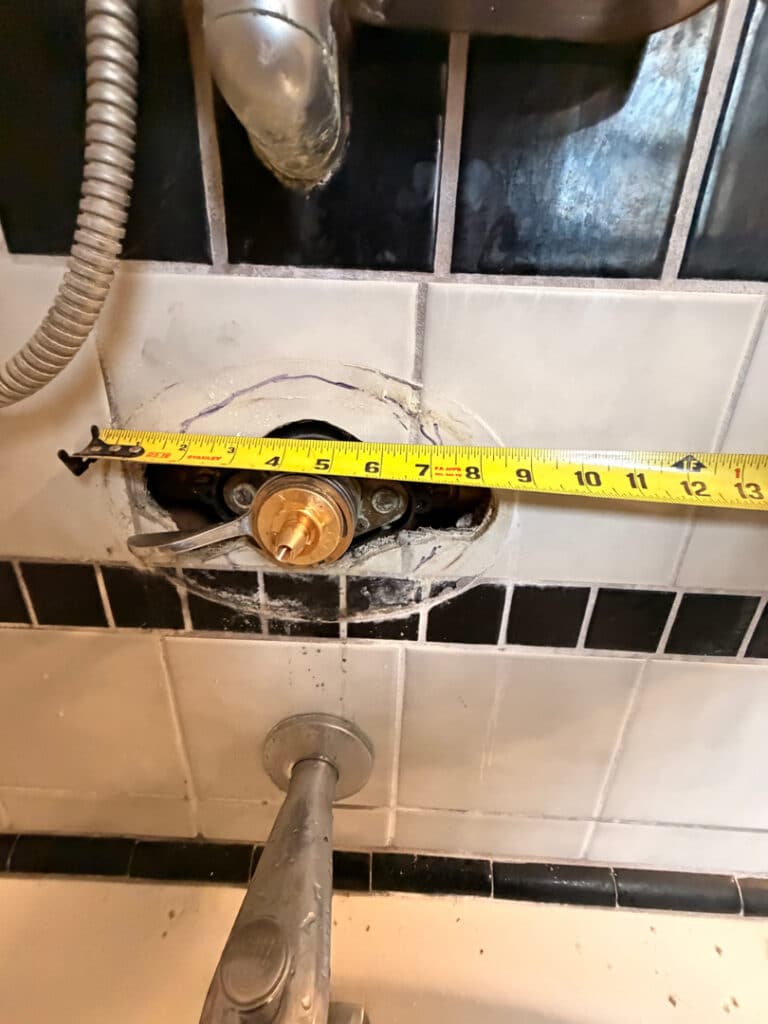
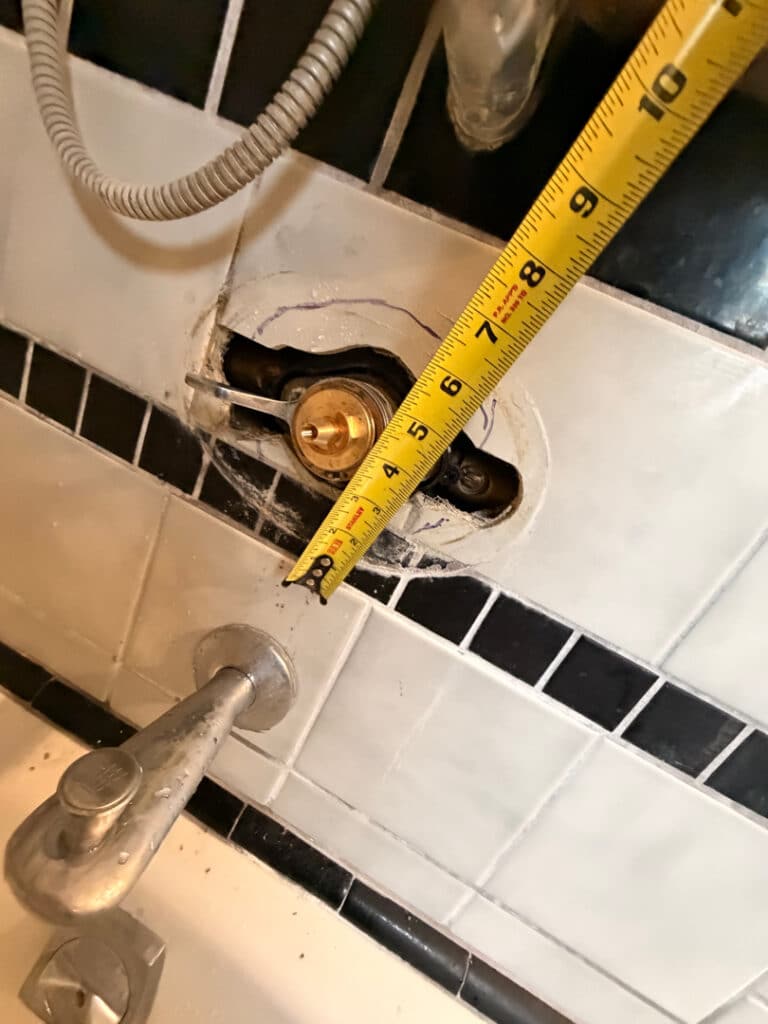
Grohen Tub Shower repair - Lakewood
Problem:Repair Grohe Tub/shower valve
Found:Faucet needs a complete rebuild kit in order to get a complete fix.
Fixed:Replacement valve can be installed that will cover up the entire hole. Existing valve has integral stops, so we think that the hole in thetile is large enough to get inside and cut out for replacement. There is enough room behind the valve to cut low where the water feeds the valve and install a new valve with PEX water line to fish in the wall so connection to the copper water below is possible without doing a lot of damage to the wood behind the valve.
Outcome:This will take longer to install, but is a much better fix.
Lakewood's environmental factors directly impact shower plumbing performance and longevity. Understanding these conditions helps explain why certain problems develop and how to prevent them.
Water Quality Characteristics
Denver Water supplies most of Lakewood, drawing from mountain reservoirs and treating water at facilities including the Marston and Foothills plants. The water meets all federal standards but carries mineral content that affects plumbing systems:
Moderate to hard water – 50 to 150 parts per million calcium carbonate depending on source blend
Chloramine disinfection – effective for safety but can accelerate rubber component degradation
Seasonal variation – water hardness and treatment may shift between summer and winter sources
pH levels typically neutral to slightly alkaline – generally favorable for pipe longevity
Climate Impacts
The Front Range climate creates specific stresses on shower plumbing:
Freeze risk – Winter temperatures regularly drop into the single digits, threatening pipes in exterior walls and unheated spaces
Low humidity – Dry air can cause rubber seals and washers to dry out and crack faster than in humid climates
Temperature swings – Daily variations of 30 to 40 degrees cause repeated expansion and contraction in pipes and fittings
Afternoon storms – Rapid pressure changes during summer thunderstorms can stress water hammer arrestors and pressure regulators
Soil and Drainage Considerations
Lakewood's clay-heavy soils expand and contract with moisture changes, potentially shifting foundations and stressing drain lines beneath slabs. Homes on hillside lots may experience different water pressure than those in lower areas due to elevation differences within the municipal system.
Lakewood Water Infrastructure and Usage Patterns
Lakewood's water infrastructure reflects the city's development history and ongoing modernization efforts. The city operates under a service agreement with Denver Water while maintaining some independent distribution infrastructure. This arrangement affects water pressure consistency and system maintenance across different neighborhoods.
According to regional water usage data, residential indoor water consumption in the Denver metro area averages approximately 50 gallons per person daily. Showers account for roughly 17% of indoor residential water use – making them one of the largest single water demands in most households. Older showerheads may flow at 5 gallons per minute or more, while current WaterSense-certified models use 2 gallons per minute or less without sacrificing performance.
Infrastructure Age and Condition
Many Lakewood neighborhoods retain water mains installed during the 1960s and 1970s expansion period
Ongoing main replacement programs address aging infrastructure but progress incrementally
Service line materials vary by installation date – older connections may use lead, galvanized steel, or early plastic materials
Pressure zones throughout Lakewood range from approximately 40 to 80 PSI depending on elevation and distance from pumping stations
How This Affects Your Shower
Infrastructure conditions influence shower performance in several ways. Homes in areas with older mains may experience sediment in water, especially after main breaks or hydrant flushing. Pressure variations between neighborhoods mean some homes need pressure-reducing valves while others struggle with inadequate flow. Understanding your specific location within Lakewood's system helps us recommend appropriate solutions – whether that means addressing internal plumbing issues or accounting for external supply conditions.
Cardom Plumbing & Heating stays current with infrastructure projects and water quality reports affecting Lakewood residents. This knowledge helps us diagnose whether shower problems originate within your home or reflect broader system conditions.
Common issues include inconsistent water temperatures, low water pressure, and clogged showerheads due to hard water mineral buildup. Aging galvanized pipes can also corrode and restrict water flow, leading to further complications.
Signs that your shower plumbing may need repair include water pooling at your feet, strange noises when the water is running, or a sudden change in water temperature. If you notice any leaks or persistent low water pressure, it's best to consult a professional.
Fluctuating water temperatures can be caused by issues with the mixing valve or pressure regulator. Hard water deposits can also affect the performance of these components, leading to inconsistent temperatures.
You can find reliable shower plumbing services in Lakewood by searching online for local plumbing companies, checking customer reviews, or asking for recommendations from friends and family. It's a good idea to choose a service that specializes in shower plumbing.
If your shower is leaking, first turn off the water supply to prevent further damage. Then, check for visible leaks around the showerhead and faucet. If the leak persists, it's advisable to contact a professional plumber to diagnose and fix the issue.
Hard water can lead to mineral buildup in pipes, valves, and showerheads, which restricts water flow and can cause clogs. Over time, this buildup can damage plumbing components, leading to more significant issues if not addressed.
Regular maintenance includes cleaning showerheads and faucets to remove mineral deposits, checking for leaks, and ensuring proper drainage. It's also helpful to schedule periodic inspections with a plumber to catch any potential problems early.