Cardom Plumbing & Heating offers specialized shower plumbing services in Thornton, CO, addressing common issues like inconsistent water temperature and drainage problems. Their expertise in local water conditions ensures effective solutions tailored to the unique challenges faced by homeowners in the area.
They provide thorough diagnostics to identify root causes of shower plumbing issues. Their technicians are trained to handle the specific plumbing challenges presented by Thornton's hard water and elevation. Cardom Plumbing & Heating emphasizes quality repairs and clear communication throughout the service process.
Shower Plumbing Services in Thornton, CO That morning shower that won’t heat up properly, the drain that gurgles and backs up, or the showerhead that barely produces a trickle – these frustrations disrupt your daily routine and signal underlying plumbing concerns that demand attention.
Shower plumbing encompasses a complex network of supply lines, mixing valves, drainage systems, and fixtures that must work in harmony to deliver the reliable performance Thornton households depend on.
What is shower plumbing?
Shower plumbing refers to the intricate system of supply lines, mixing valves, drainage systems, and fixtures that work together to provide hot and cold water for showers. Properly functioning shower plumbing is essential for ensuring a reliable and enjoyable shower experience in homes.
Shower Plumbing Services in Thornton, CO
That morning shower that won't heat up properly, the drain that gurgles and backs up, or the showerhead that barely produces a trickle – these frustrations disrupt your daily routine and signal underlying plumbing concerns that demand attention. Shower plumbing encompasses a complex network of supply lines, mixing valves, drainage systems, and fixtures that must work in harmony to deliver the reliable performance Thornton households depend on.
Professional shower plumbing services address everything from water supply connections and pressure balancing valves to drain assemblies and waterproofing systems. Thornton's unique combination of hard water conditions, elevation-related pressure variations, and temperature extremes creates specific challenges that generic plumbing approaches often miss. A trained plumber understands how these local factors interact with your shower system's components.
Accurate diagnosis of pressure, temperature, and drainage issues specific to Front Range conditions
Proper valve selection and installation suited to Thornton's water chemistry
Code-compliant drainage work that accounts for local soil and settlement patterns
Long-term solutions rather than temporary fixes that fail within months
Whether you're dealing with a persistent leak behind the wall, inconsistent water temperature, or planning a complete shower renovation, understanding the specialized nature of shower plumbing helps you make informed decisions about repairs and upgrades.
Thornton sits at approximately 5,350 feet elevation, which affects water pressure throughout the municipal system. Homes farther from pressure-boosting stations often experience weaker shower flow, while properties at lower elevations may deal with excessive pressure that stresses valves and connections. This pressure variability creates unique wear patterns on shower components.
The Denver metro area's water supply – drawn primarily from mountain snowmelt – carries significant mineral content. Calcium and magnesium deposits accumulate inside showerheads, mixing valves, and supply lines over time. These mineral buildups restrict water flow, cause temperature fluctuations, and eventually damage internal valve components that regulate your shower's performance.
Local Factors Affecting Shower Systems
Hard water mineral deposits – Scale buildup inside cartridges and aerators reduces flow and causes valves to stick or fail prematurely
Freeze-thaw cycling – Exterior wall plumbing faces stress from Thornton's 100+ degree annual temperature swings, leading to joint failures and pinhole leaks
Clay soil movement – Expansive soils common throughout Adams County shift seasonally, stressing drain connections and creating separation at pipe joints
Aging infrastructure – Many Thornton neighborhoods built in the 1970s-1990s contain original galvanized or polybutylene piping approaching end-of-life
Municipal pressure fluctuations – Water system demand changes throughout the day, causing temperature swings in showers without pressure-balancing valves
Low humidity conditions – Dry air accelerates deterioration of rubber seals, gaskets, and washers in shower valves and connections
Warning Signs Requiring Attention
Recognizing early symptoms prevents minor shower issues from becoming major water damage events. Watch for these indicators:
Water temperature that fluctuates when other fixtures are used elsewhere in the home
Reduced water pressure that has gradually worsened over weeks or months
Visible mold or mildew growth around the shower base or on adjacent walls
Musty odors in the bathroom that persist despite cleaning
Slow drainage or gurgling sounds from the shower drain
Water stains on ceilings below second-floor bathrooms
Loose or cracked grout and caulk around shower enclosures
Our approach to shower plumbing combines systematic diagnostics with repair methods designed for Thornton's specific conditions. We don't guess at solutions – we identify root causes before recommending work.
Our Diagnostic and Repair Process
Initial assessment – We listen to your concerns, observe the symptoms you've noticed, and gather information about when problems occur and how long they've persisted
Visual inspection – Examining accessible components including showerheads, handles, drain covers, and surrounding surfaces for visible damage or deterioration
Pressure and flow testing – Measuring actual water pressure at the shower location and comparing it to municipal supply readings to identify restrictions
Temperature verification – Testing mixing valve performance and checking for proper anti-scald protection, particularly important in homes with children
Leak detection – Using moisture meters and thermal imaging when needed to locate hidden leaks behind walls or beneath shower pans
Drain evaluation – Camera inspection of drain lines when blockages or slow drainage indicate problems beyond the visible trap
Solution presentation – Explaining findings in plain language and discussing repair options with their respective benefits
Quality installation – Performing repairs using appropriate materials and techniques for local water conditions
System testing – Verifying proper operation of all repaired or replaced components before completing the job
Techniques and Methods
Cartridge replacement and valve rebuilding for temperature and pressure issues
Descaling treatments to remove mineral buildup from supply lines and fixtures
Drain cleaning using mechanical snaking and hydro-jetting for stubborn blockages
Shower pan leak testing and waterproof membrane repairs
Supply line replacement with PEX or copper suited to Thornton water chemistry
Pressure-balancing valve installation to eliminate temperature swings
Drain assembly replacement including proper trap installation and venting verification
Throughout every project, we maintain clear communication about what we're finding, what work we recommend, and what you can expect during and after repairs. Our technicians clean up work areas and test systems thoroughly before considering any job complete.
Recent Work
Emergency plumbing repairs. - Thornton
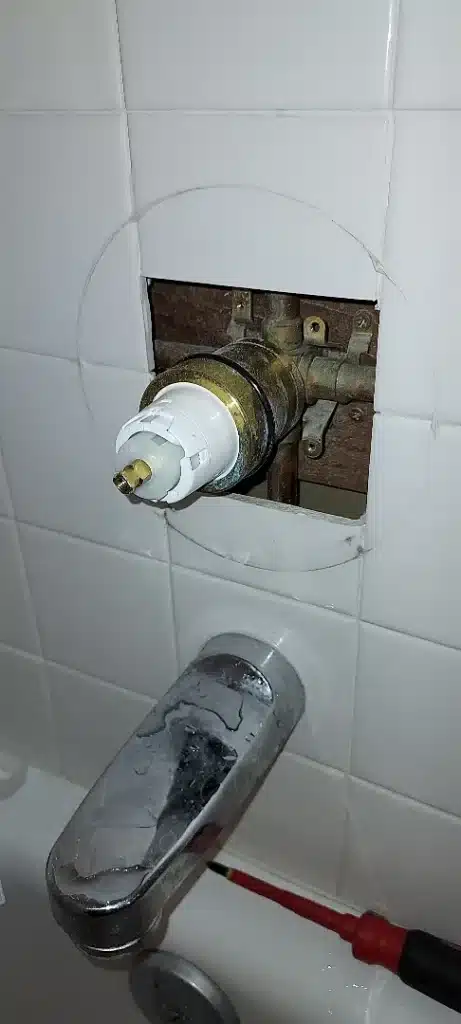
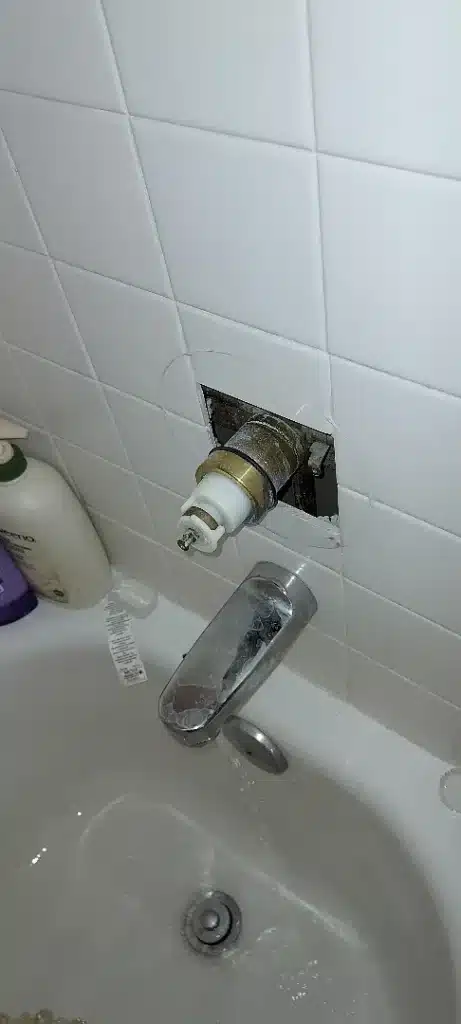
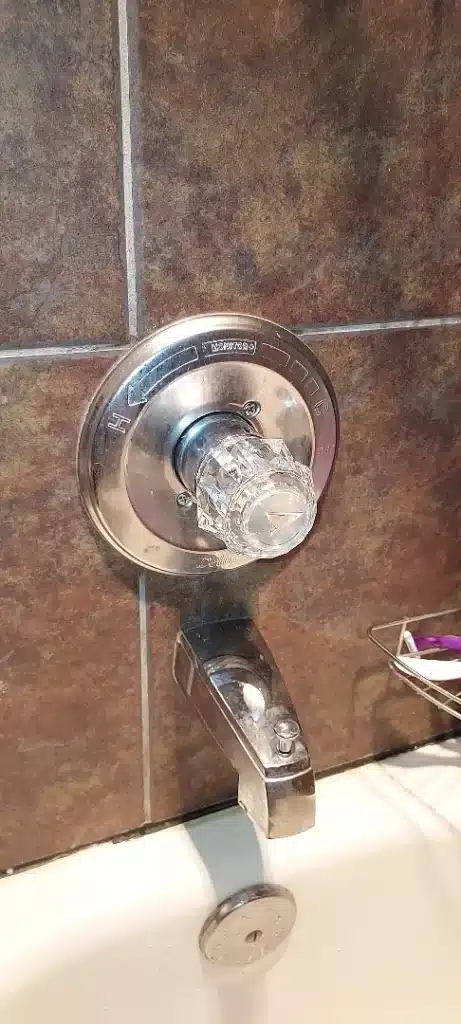
Problem:Leaking Delta shower cartridge.
Found:Leaking shower cartridge
Fixed:Shower valve- Removed and replaced leaking Delta shower cartridge. Set temp limit stop to proper temperature. Reinstalled trim and tested temperature. Caulked trim to tile. Lavatory faucet - Found Delta handle stripped and proven, Replaced Delta shower handle wit new. Cut machine screw to length. Installed new valve and tested.
Outcome:Tested and no leak.
Why Choose Cardom Plumbing & Heating
Cardom Plumbing & Heating brings focused expertise to Thornton's shower plumbing challenges. Our technicians hold current Colorado plumbing licenses and maintain ongoing training in the latest fixture technologies, diagnostic equipment, and repair techniques. We understand how Front Range water conditions affect different plumbing materials – knowledge that comes from years of hands-on experience in Adams County homes.
When shower problems strike, timing matters. Water damage spreads quickly, and a non-functional shower disrupts household routines. We prioritize responsive scheduling and arrive prepared with common replacement parts and diagnostic tools. Our service vehicles carry inventory suited to Thornton's typical plumbing configurations, reducing the need for multiple visits.
What Sets Us Apart
Local water expertise – We specify fixtures and materials that resist Thornton's hard water conditions rather than using generic components
Diagnostic investment – Our technicians use leak detection equipment, pressure gauges, and inspection cameras to find problems accurately
Repair-first philosophy – We recommend repairs when they make sense rather than pushing unnecessary replacements
Workmanship standards – Every installation follows manufacturer specifications and local code requirements
Follow-up accountability – We stand behind our work and address any concerns that arise after service completion
Our familiarity with Thornton neighborhoods – from the established areas near Margaret Carpenter Park to newer developments in the Thorncreek area – means we understand the plumbing systems common in different parts of the city. This local knowledge translates to faster diagnostics and more effective solutions.
Thornton's housing stock reflects several distinct development periods, each with characteristic plumbing systems and common shower configurations. Understanding your home's construction era helps anticipate likely issues and appropriate solutions.
Development Eras and Plumbing Systems
1950s-1960s original Thornton – Galvanized steel supply lines, cast iron drains, two-handle shower valves. These systems often show significant corrosion and mineral restriction
1970s-1980s expansion – Copper supply lines with some polybutylene installations, ABS plastic drains, early single-handle valves. Polybutylene requires particular attention due to failure rates
1990s-2000s growth period – Copper or CPVC supply lines, PVC drainage, pressure-balancing shower valves. Generally reliable but approaching ages where component replacement becomes common
2010s-present construction – PEX supply lines, PVC drains, thermostatic mixing valves. Modern materials with good longevity when properly installed
Common Configurations by Home Type
Single-family homes in Thornton typically feature tub-shower combinations in secondary bathrooms and standalone showers in primary suites. Townhomes and condominiums often have stacked plumbing configurations where multiple units share drain lines – problems in one unit can affect neighbors.
Slab-on-grade construction, common throughout Thornton, places drain lines beneath concrete. Shower drain repairs in these homes require either tunneling beneath the slab or rerouting drains through walls – decisions that depend on specific site conditions and damage extent.
Ranch-style homes often have bathrooms on exterior walls, making supply lines vulnerable to freezing
Two-story homes may experience pressure differences between floor levels affecting shower performance
Basement bathrooms in split-levels require ejector pumps for drainage, adding maintenance considerations
Older tract homes frequently share wall cavities between bathrooms, complicating leak source identification
Thornton's semi-arid high plains climate creates specific challenges for residential plumbing systems. Average annual precipitation of approximately 15 inches means dry conditions prevail most of the year, while intense summer thunderstorms can overwhelm drainage systems during brief periods.
Water Quality Characteristics
Thornton Water receives treated water from multiple sources including the South Platte River system and various reservoirs. Water hardness typically measures between 100-150 parts per million – classified as moderately hard to hard. This mineral content affects shower plumbing in several ways:
Mixing valve cartridges develop scale buildup that causes sticking and temperature inconsistency
Supply line interiors accumulate mineral layers that reduce effective diameter over time
Glass shower doors develop hard water staining that becomes increasingly difficult to remove
Climate Impacts on Plumbing Systems
Temperature extremes stress shower plumbing components throughout the year. Winter lows regularly drop below zero degrees Fahrenheit, while summer highs exceed 100 degrees. This 100+ degree annual swing causes repeated expansion and contraction cycles in pipes, fittings, and seals.
Winter freeze risk – Supply lines in exterior walls, unheated crawlspaces, or poorly insulated areas face freezing that can burst pipes and damage shower valves
Thermal expansion – Hot water supply lines expand during use, stressing connections and potentially causing leaks at joints
Low humidity effects – Rubber components including valve seats, O-rings, and gaskets dry out faster in Thornton's arid climate
UV degradation – Skylights above showers allow UV exposure that deteriorates some caulks and sealants faster than expected
Soil and Drainage Considerations
Adams County soils contain significant clay content that expands when wet and contracts during dry periods. This seasonal movement affects underground drain lines and can stress connections where shower drains meet main waste lines. Homes built on particularly expansive soils may experience recurring drain joint separations that allow infiltration or exfiltration.
Water Infrastructure and Distribution in Thornton
Thornton Water operates an extensive distribution system serving over 145,000 residents across more than 38 square miles. The system includes multiple pressure zones managed through a network of storage tanks, pump stations, and pressure-reducing valves. This infrastructure directly affects shower performance throughout the city.
Pressure Zone Variations
Different Thornton neighborhoods receive water at varying pressures depending on their elevation and distance from pressure management facilities. Homes in higher elevation areas near the western portions of the city may experience lower baseline pressure, while properties at lower elevations closer to the South Platte corridor often receive higher pressure.
Optimal residential water pressure ranges from 40-80 PSI for fixture longevity and performance
Pressure below 40 PSI results in weak shower flow and slow fixture filling
Pressure exceeding 80 PSI accelerates wear on valves, washers, and supply line connections
Pressure-reducing valves installed at the meter can fail, causing sudden pressure changes
Municipal system maintenance and fire hydrant flushing can temporarily affect pressure
Infrastructure Age and Upgrades
Thornton has invested significantly in water infrastructure improvements, but portions of the distribution system date to the city's original development. Older water mains can contribute sediment and mineral particles that affect fixture performance. Homes connected to aging main lines may benefit from whole-house filtration or more frequent fixture maintenance.
The city's ongoing capital improvement program addresses aging infrastructure systematically, but individual service lines between the main and the home remain the homeowner's responsibility. Galvanized service lines in older neighborhoods contribute to pressure loss and water quality issues that manifest most noticeably at shower fixtures – the highest-flow fixtures in most homes.
Service line material affects water quality reaching shower fixtures
Galvanized lines corrode internally, restricting flow and adding iron content
Lead service lines – rare but present in some older areas – require professional assessment
Copper and modern plastic service lines provide reliable long-term performance
Common issues include inconsistent water temperature, low water pressure, and clogged drains. Hard water mineral buildup can restrict flow and cause temperature fluctuations, while the area's elevation can lead to pressure variations that affect shower performance.
Improving water pressure may involve checking for clogs in showerheads or pipes, adjusting pressure-balancing valves, or installing a pressure booster system. Consulting a professional plumber can help identify the best solution based on your specific situation.
If your shower water isn't heating properly, it could be due to a malfunctioning water heater, issues with the mixing valve, or sediment buildup in the heater. A plumber can diagnose the problem and recommend necessary repairs or replacements.
A backing up shower drain often indicates a clog in the drain line. You can try using a plunger or a drain snake to clear minor clogs, but persistent issues may require a professional plumber to inspect and resolve the blockage.
It's advisable to have your shower plumbing inspected every few years or if you notice any signs of trouble, such as leaks or unusual noises. Regular inspections can help catch potential issues early and maintain the efficiency of your plumbing system.
Yes, hard water can lead to mineral buildup in pipes and fixtures, which restricts water flow and can damage components over time. Installing a water softener can help reduce these effects and prolong the life of your plumbing.
Hiring a professional plumber ensures that the work is done correctly and complies with local codes. They have the expertise to diagnose complex issues, recommend appropriate solutions, and provide long-term fixes rather than temporary patches.