
Recent Posts
Categories
Detecting and Preventing Sewer Gas Odors in Arvada Homes
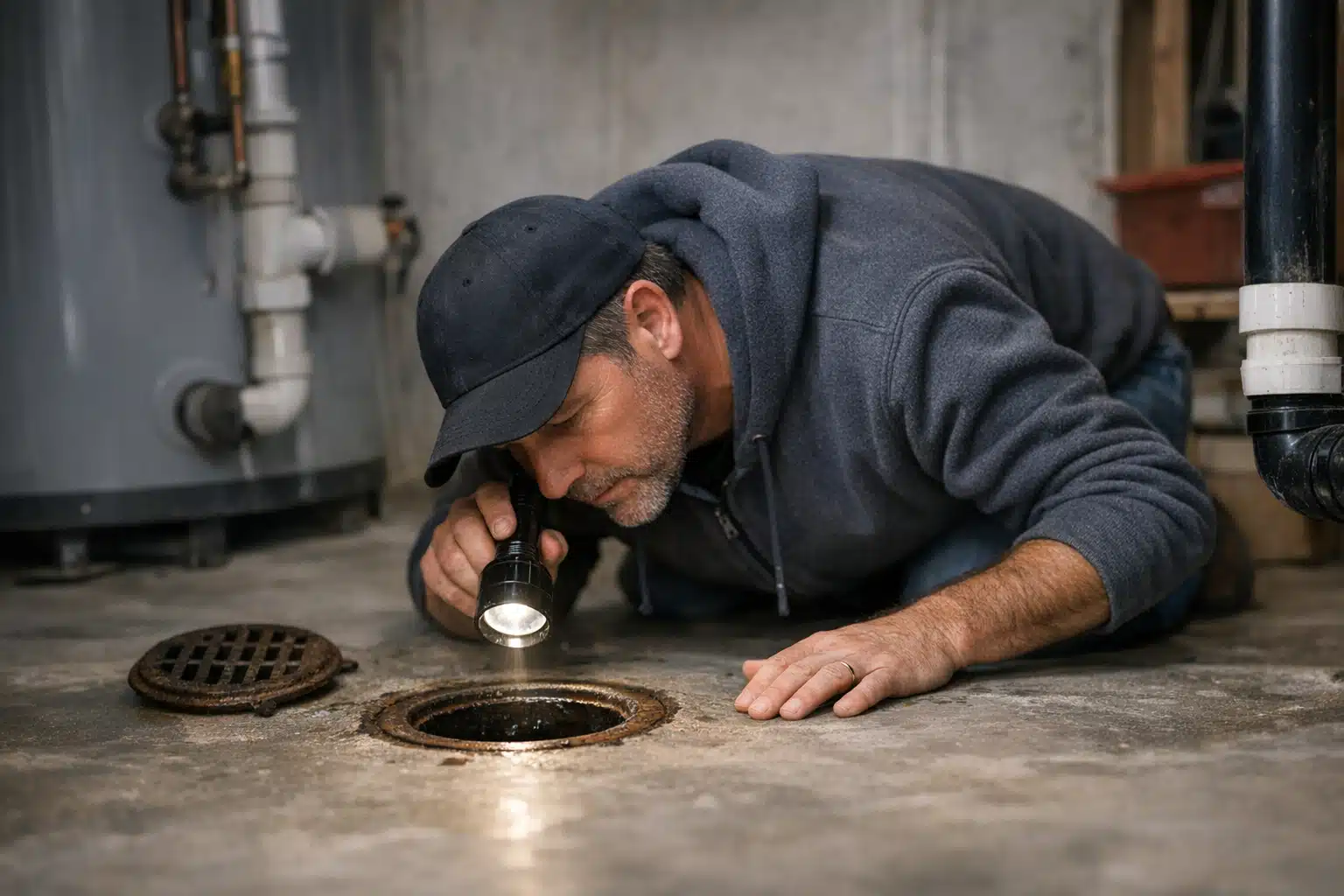
Sewer gas odors in Arvada homes often stem from dried-out drain traps, failed wax rings, or blocked vent stacks. Arvada's dry winters, clay soils, and aging cast-iron pipes in older neighborhoods create specific risks that homeowners should address early.
- Hydrogen sulfide causes the rotten-egg smell and can trigger headaches, nausea, and eye irritation - methane buildup in basements poses fire risks.
- Monthly water flow through all drains maintains the P-trap seal, and adding mineral oil to rarely used drains slows evaporation during dry Colorado winters.
- Homes over 40 years old benefit from camera inspections every two years to catch cracked lines or pipe bellies before costly repairs become necessary.
Sewer gas odors in Arvada homes are typically caused by dried-out drain traps and aging vent stacks that allow gas to escape into living spaces. These issues are most common in older neighborhoods near Ralston Creek. The distinctive rotten-egg smell often appears first in basement floor drains where water in P-traps has evaporated, breaking the seal that normally blocks sewer gases.
That rotten-egg smell drifting from a basement floor drain catches many Arvada homeowners off guard. It usually shows up first in older neighborhoods near Ralston Creek, where dried-out drain traps and aging vent stacks let gas escape. Recognizing sewer gas odors Arvada residents notice early can prevent both health risks and costly repairs.
This post explains what sewer gas is, how to track down the source, and how to stop it from returning. You will learn Arvada-specific causes tied to our winter climate and infrastructure.
What Is Sewer Gas and Why It Matters
Sewer gas is a mix of gases produced by decomposing waste inside your drain and sewer lines. Its main components include hydrogen sulfide, methane, ammonia, and carbon dioxide.
The hydrogen sulfide gives that telltale rotten-egg smell. Even at low levels, it causes headaches, nausea, and irritated eyes.
Methane is flammable and dangerous in enclosed basements. That is why a persistent odor near a floor drain deserves quick attention, not an air freshener.
Common Health Warning Signs
- Headaches that fade when you leave the house
- Dizziness or fatigue in basements or utility rooms
- Eye and throat irritation near drains
- Nausea after a shower or laundry cycle
How to Detect Sewer Gas Odors in Arvada Homes
Detection starts with pinpointing where the smell is strongest. Walk each room and note where the odor peaks.
Follow these steps to find the source:
- Check floor drains. Basement and laundry drains dry out and lose their water seal.
- Inspect unused bathrooms. Guest baths in finished basements go months without water flow.
- Smell around toilets. A loose wax ring lets gas seep around the base.
- Look under sinks. A missing or cracked P-trap breaks the barrier against gas.
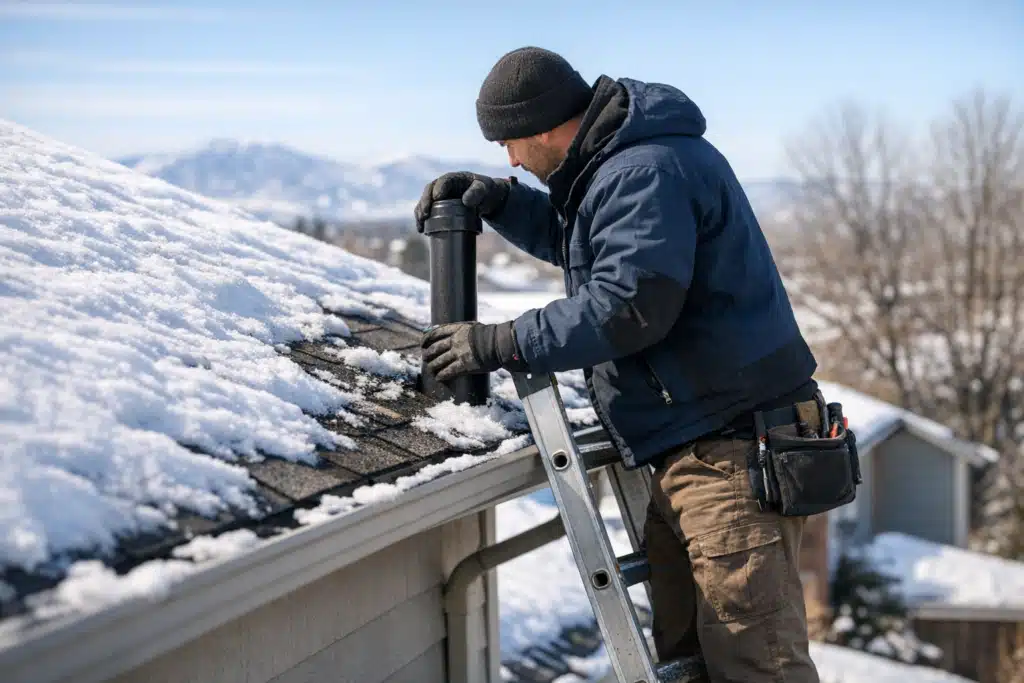
- Go outside near vent stacks. A blocked roof vent pushes gas back indoors.
If the smell moves between rooms, the cause is likely a shared vent line. A single dry trap usually smells worst in one spot.
The Dry P-Trap Problem in Arvada Winters
Colorado’s dry winter air speeds up evaporation inside drain traps. A guest bathroom sink used twice a year can lose its water seal by February.
We see this most in finished basements and rental units across Arvada and Westminster. The fix is easy: run water in every drain monthly.
Pour a cup of water down each floor drain too. Adding a tablespoon of mineral oil slows evaporation in rarely used drains.
Damaged Vent Stacks and Bird Nests
Roof vents let sewer gas escape above your home. In spring, birds and debris block these vents on older Arvada rooftops.
A blocked vent forces gas back through your drains. It also causes gurgling toilets and slow-draining sinks.
If you hear gurgling paired with odor, the vent is a strong suspect. This needs a roof inspection, not a chemical drain cleaner.
Arvada Infrastructure Factors That Cause Sewer Gas
Arvada’s mix of mid-century homes and newer developments creates specific risks. Homes built before the 1980s often have cast-iron drain lines.
Cast iron corrodes from the inside over decades. Once it cracks, gas escapes into wall cavities and crawl spaces.
Ground Shifting Along the Front Range
Expansive clay soils are common across Arvada and Wheat Ridge. This soil swells when wet and shrinks in dry spells.
That movement stresses buried sewer lines and pulls joints apart. A separated joint leaks gas near your foundation.
Homeowners near Leyden and Van Bibber Creek report this more than others. Soil movement also cracks the pipe connection at the city main.
Sewer Line Bellies in Older Neighborhoods
A belly is a low spot where a sewer line sags underground. Waste and water pool there instead of draining fully.
Standing waste produces extra gas and blocks proper venting. Camera inspection is the only reliable way to confirm a belly.
How to Prevent Sewer Gas Odors
Prevention costs far less than emergency repair. A steady preventive plumbing routine keeps odors from starting.
Follow this seasonal checklist for Arvada homes:
- Monthly: Run water in every sink, tub, and floor drain.
- Quarterly: Check toilet bases for looseness or moisture.
- Spring: Have roof vent stacks cleared of nests and debris.
- Fall: Add mineral oil to seldom-used basement drains.
- Every 2 years: Schedule a camera inspection on homes over 40 years old.
Seal Gaps Around Drain Penetrations
Gas escapes where pipes pass through concrete floors. Over time, the seal around a basement drain shrinks and cracks.
A plumber can reseal these gaps with proper drain gaskets. This step matters most in finished basements with living space nearby.
Replace Aging Wax Rings
A toilet wax ring lasts 20 to 30 years on average. Once it fails, gas leaks around the toilet base every flush.
If you rock a toilet and feel movement, the seal is compromised. Replacing a wax ring is a low-cost fix that stops the odor fast.

 Posted on Google
What Sewer Gas Repairs Cost in the Arvada Area
Costs vary by cause and pipe access. Here are typical local price ranges to expect:
- Wax ring replacement: $150 to $350
- P-trap repair or replacement: $150 to $400
- Vent stack cleaning: $200 to $500
- Camera sewer inspection: $250 to $500
- Spot repair on cracked line: $1,200 to $4,000
- Full sewer line replacement: $6,000 to $15,000
Early detection keeps you at the low end of this range. Ignoring a dry trap rarely stays cheap for long.
When to Call a Plumber Right Away
Some situations call for same-day help. Contact a plumber immediately when you notice:
- Strong rotten-egg smell that will not clear
- Multiple drains gurgling at once
- Odor paired with slow drains across the house
- Gas smell near a finished basement bedroom
- Sewage backing up into a floor drain
Our team knows Arvada’s older clay soils and cast-iron systems. Fast local response keeps a small leak from becoming a full line replacement.
Conclusion
Sewer gas usually traces back to a dry trap, failed wax ring, or blocked vent. A monthly water routine and periodic camera inspection stop most problems before they start. Arvada’s clay soils and aging pipes make early detection worth the effort.
If you smell sewer gas odors in your Arvada home, reach out to Cardom Plumbing & Heating. Call or text us at 720‑775‑8322, email tomd@cardomcolorado.com, or visit https://www.cardomcolorado.com.
Sources
- CDC / NIOSH – Hydrogen Sulfide Health Effects
- U.S. EPA – Indoor Air Quality
- OSHA – Hydrogen Sulfide Hazards


