Sewer repair in Boulder, CO addresses critical issues like sewage odors and slow drains, which can lead to property damage and health risks. The process involves diagnosing and repairing or replacing underground pipes that transport wastewater to the municipal system.
They provide services for various sewer issues, including blockages and pipe replacements. Their team uses advanced techniques like video inspections and hydro jetting for effective repairs.
Boulder's unique soil and climate conditions create specific challenges for sewer lines, necessitating experienced professionals for accurate assessments.
Cardom Plumbing & Heating prioritizes urgent repairs and maintains clear communication with clients throughout the repair process.
What are the signs of a sewer line failure in Boulder, CO?
Signs of a sewer line failure in Boulder, CO include a persistent sewage odor in your basement, slow-draining fixtures, and frequent backups. These issues indicate that your sewer line may be compromised, leading to potential property damage and health risks that require immediate professional intervention.
Sewer Repair Services in Boulder, CO
That unmistakable sewage odor drifting through your basement or the slow-draining fixtures throughout your home aren't problems that resolve themselves. When your sewer line fails in Boulder, you're dealing with more than inconvenience – you're facing potential property damage, health hazards, and environmental concerns that demand professional attention.
Sewer repair encompasses the diagnosis, restoration, and replacement of the underground pipes that carry wastewater from your home to Boulder's municipal sewer system. This work ranges from clearing stubborn blockages and repairing cracked pipe sections to complete line replacements when decades of wear finally catch up with aging infrastructure.
Restore proper drainage flow throughout your entire plumbing system
Eliminate sewage backups and the health risks they create
Protect your foundation and landscaping from wastewater damage
Address root intrusion before it causes complete line collapse
Professional diagnosis matters because sewer problems rarely announce their true cause. What appears to be a simple clog might actually be a collapsed pipe section, tree root invasion, or bellied line where settling soil has created a low spot that traps debris. Boulder's unique combination of clay-heavy soils, dramatic temperature swings, and mature tree canopy creates specific challenges that require experienced assessment before any repair begins.
Cardom Plumbing & Heating provides Sewer Repair services in all neighborhoods of Boulder including Arapahoe Ridge, Dakota Ridge, East Aurora, Frazier Meadows, Goss-Grove, Holiday, Keewaydin, Martin Acres, Meadow Glen, Park East, Promontory North, Table Mesa, The Hill, The Promontory, Washington Village, and Wonderland Hills.
Boulder's geographic position along the Front Range creates a distinct set of conditions that accelerate sewer line deterioration. The city sits at approximately 5,430 feet elevation where freeze-thaw cycles occur more frequently and with greater intensity than lower-altitude communities. Ground temperatures can fluctuate dramatically between seasons, causing soil movement that stresses buried pipes.
Many Boulder neighborhoods feature homes built during construction booms of the 1950s through 1970s. These properties often contain original clay tile or Orangeburg sewer lines – materials with known vulnerabilities that become increasingly problematic after 50+ years of service. The expansive clay soils common throughout Boulder County shift seasonally, placing lateral pressure on aging pipe joints and creating separation points where roots and groundwater enter.
Local Factors Affecting Sewer Lines
Mature tree populations: Boulder's commitment to urban forestry means large, established trees with extensive root systems actively seek moisture sources – including your sewer line
Expansive clay soils: These soils swell when wet and shrink when dry, creating movement that misaligns pipe joints over time
Freeze-thaw cycling: Winter temperatures regularly drop below freezing while daytime warming creates repeated expansion and contraction in soil and pipes
Aging infrastructure: Original sewer lines in established neighborhoods like Mapleton Hill, Whittier, and Martin Acres are reaching or exceeding their expected lifespan
High water table areas: Properties near Boulder Creek or in low-lying areas experience groundwater infiltration that accelerates pipe deterioration
Mountain runoff patterns: Seasonal snowmelt and heavy summer storms can overwhelm aging connections and expose weaknesses
Warning Signs Requiring Attention
Watch for these indicators that suggest sewer line problems:
Multiple drains backing up simultaneously
Gurgling sounds from toilets when running water elsewhere
Sewage odors in your yard or basement
Unusually green patches of grass over your sewer line path
Foundation cracks appearing alongside drainage issues
Rodent or insect activity near drain access points
Sewer repair requires systematic investigation before any excavation or repair work begins. Cardom Plumbing & Heating follows a methodical approach that identifies the actual problem – not just the symptoms – so repairs address the root cause.
Our Diagnostic and Repair Process
Initial assessment: We evaluate your symptoms, discuss the history of the problem, and inspect accessible cleanouts and drain access points
Video camera inspection: A waterproof camera travels through your sewer line, transmitting real-time footage that reveals blockages, cracks, root intrusion, pipe material, and line condition
Location marking: Using electronic locating equipment, we pinpoint problem areas and map the sewer line path across your property
Repair recommendation: Based on findings, we present repair options appropriate for your specific situation – from targeted spot repairs to complete line replacement
Repair execution: Our technicians complete the approved work using methods suited to your property and pipe condition
Post-repair verification: A follow-up camera inspection confirms proper flow and repair integrity before we consider the job complete
Repair Methods We Employ
Hydro jetting: High-pressure water cutting removes grease buildup, mineral deposits, and root masses without damaging pipe walls
Trenchless pipe lining: Epoxy-saturated liners create a new pipe within the existing damaged pipe – minimizing landscape disruption
Pipe bursting: A bursting head fractures the old pipe while simultaneously pulling new pipe into place
Traditional excavation: When access requirements or pipe condition necessitate, we perform precise excavation and pipe replacement
Spot repairs: Targeted replacement of damaged sections when the majority of your line remains serviceable
Throughout every repair, we maintain clear communication about progress, any unexpected findings, and timeline adjustments. You'll know what we're doing, why we're doing it, and what comes next.
Why Choose Cardom Plumbing & Heating
Sewer repair requires more than basic plumbing skills – it demands understanding of soil conditions, pipe materials, excavation safety, and municipal code requirements. Cardom Plumbing & Heating brings licensed, insured technicians who hold current certifications in trenchless repair technologies and video inspection interpretation. Our team receives ongoing training as repair methods and materials evolve.
We've worked extensively throughout Boulder County and understand the specific challenges different neighborhoods present. Whether you're in a 1920s bungalow in the Goss-Grove neighborhood with original clay tile lines or a 1990s home in Gunbarrel with ABS plastic pipe, we've encountered and resolved similar situations. This local experience means faster diagnosis and more accurate repair recommendations.
What Sets Us Apart
Responsive scheduling: Sewer emergencies don't wait for convenient appointment times – we prioritize urgent situations and offer same-day assessment when backup conditions exist
Transparent documentation: You receive video inspection footage and detailed explanation of findings before we discuss repair options
Permit coordination: We handle City of Boulder permit requirements and coordinate necessary inspections
Property respect: Careful excavation practices, landscape protection, and thorough cleanup demonstrate our commitment to leaving your property properly restored
Warranty protection: Our repairs include warranty coverage that provides confidence in the work performed
We approach every sewer repair with the understanding that this represents a significant investment in your property. Our recommendations focus on long-term solutions rather than temporary fixes that create repeat problems.
Boulder's housing stock reflects distinct construction eras, each presenting characteristic sewer line configurations and materials. Understanding what likely exists beneath your property helps anticipate repair needs and appropriate solutions.
Historic and Mid-Century Homes (Pre-1970)
Boulder's oldest neighborhoods – including University Hill, Mapleton Hill, and downtown adjacent areas – contain homes built when clay tile and Orangeburg (compressed wood fiber) pipes were standard materials. These lines typically exhibit:
Joint separation where sections have shifted over decades
Root intrusion through porous clay or deteriorating Orangeburg
Reduced interior diameter from mineral buildup and scaling
Bellied sections where soil settlement created low points
Offset joints that catch debris and create recurring blockages
1970s-1990s Construction
Homes built during Boulder's significant growth period often feature cast iron or early plastic (ABS) sewer lines. While more durable than earlier materials, these pipes now approach or exceed 40 years of service:
Cast iron develops internal corrosion and scale that restricts flow
Early ABS connections may have weakened glue joints
Improper installation practices from rapid construction periods create ongoing issues
Modern Construction (2000-Present)
Newer Boulder homes typically feature PVC sewer lines with properly sloped installations. While less prone to material failure, these systems can still experience root intrusion at connection points, damage from construction activity, or problems from improper original installation.
Boulder's environmental setting directly influences sewer line longevity and repair approaches. The interaction between local soil composition, water characteristics, and climate patterns creates conditions that accelerate certain types of pipe deterioration while protecting against others.
Soil and Drainage Characteristics
Boulder County soils vary significantly across the city, but expansive clay soils dominate many residential areas. These soils create specific challenges:
Seasonal volume changes of 10% or more as moisture content fluctuates
Lateral pressure against buried pipes during wet periods
Soil shrinkage that removes support during dry periods
Poor drainage that keeps pipe exteriors saturated
Properties closer to the foothills may encounter rocky substrates that complicate excavation but provide more stable pipe bedding. Low-lying areas near Boulder Creek experience higher water tables that accelerate corrosion of metal pipes and can infiltrate damaged lines.
Climate Impacts on Sewer Systems
Boulder's semi-arid climate with cold winters creates freeze-thaw cycling that stresses underground infrastructure. Ground temperatures at typical sewer line depths – generally 3 to 6 feet – fluctuate enough to cause expansion and contraction in both pipes and surrounding soil. Heavy summer thunderstorms can temporarily overwhelm drainage systems and force debris into sewer lines through compromised connections.
Water Quality Considerations
Boulder's municipal water supply, sourced primarily from mountain watersheds, contains relatively low mineral content compared to many Front Range communities. However, the water treatment process and natural mineral content still contribute to gradual scale buildup inside drain lines – particularly in older cast iron and galvanized steel pipes. This scaling reduces effective pipe diameter over time, making blockages more likely and reducing flow capacity.
Recent Work
Sewer Line Replacement - Boulder
Problem:Deposit for sewer line replacement
Found:Old sewer line.
Fixed:Installatio of the entire drain system in the crapwlspace.
Outcome:Test all new piping and no leaks. Water in ditch receded after line was replaced. Backfilled ditch and cleaned up jobsite.
Sewer backing up in home - Boulder
Problem:Backed up sewer main
Found:Find out why sewer is backing up in home and clear line if possible.
Fixed:Run cable 3 times and it wasn’t until the 2nd time that I pulled back a small root ball. I then switched to a bigger root cutting head, and ran again and was able to open the sewer all the way up. I ran all sinks and toilets inside while snaking it one additional time to push eveything to the main.
Outcome:Tested for 15 minutes with no issues found.
Seal Up Sewage Ejector So it Does Not Leak - Boulder
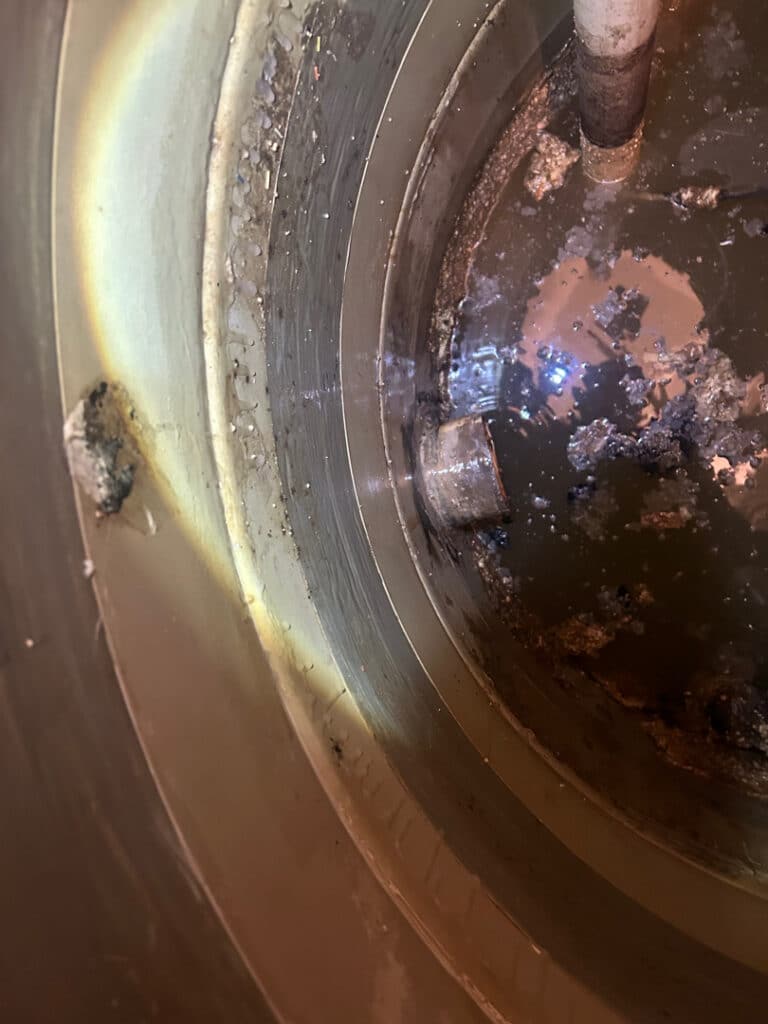
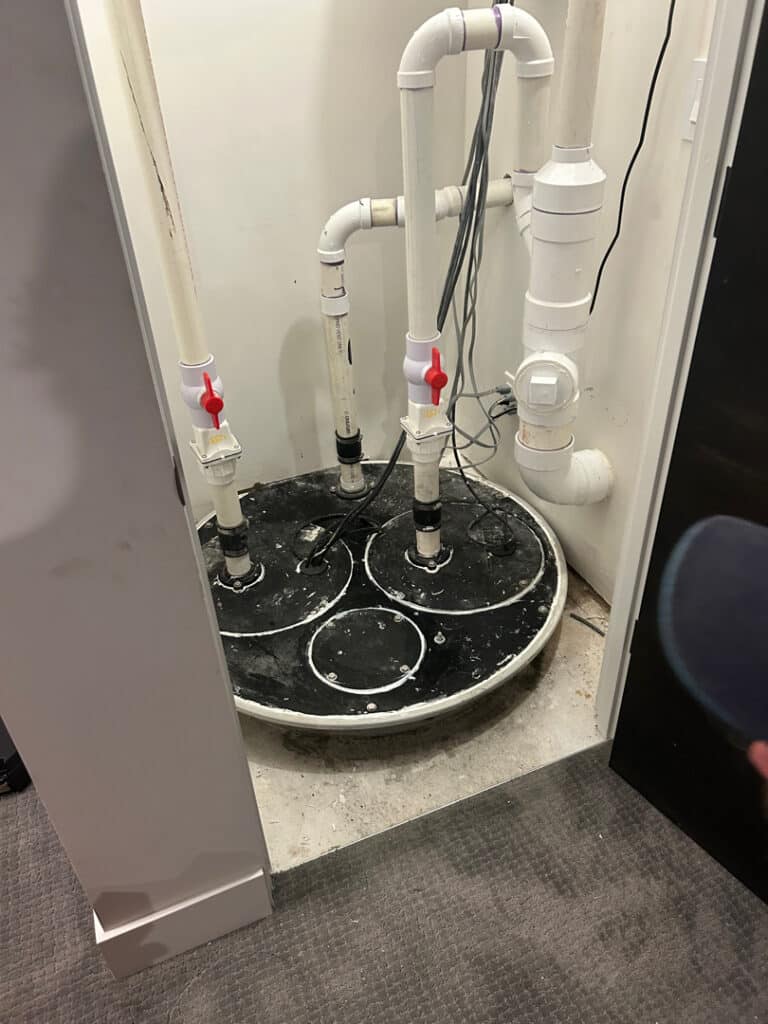
Problem:Pull lid on sewage ejector and seal inside where the waste line enters the pit
Found:Found extension rings on the old ejector pit. They had settled to one side.
Fixed:Picked up some two part epoxy to fill the gap. Put camera down the line to inspect the line coming into the pit. It is not perfect but it is not broken at all. It appears that the pit is not bedded properly and is sinking which may be causing the riser pieces to separate. WE applied the epoxy generously and sealed all gaps that we could see. Reinstalled the lid and bolted it down. Sealed with silicone.
Outcome:Tested and no leak
Boulder Sewer Infrastructure Data and Municipal Requirements
Boulder's sewer system serves approximately 105,000 residents through a network of collection lines, pump stations, and treatment facilities. The city maintains roughly 300 miles of public sewer mains, but property owners bear responsibility for the lateral lines connecting their homes to these mains – typically the section from the foundation to the property line or main connection point.
The City of Boulder's Utilities Division reports that aging infrastructure remains a primary concern, with portions of the collection system dating to the early 1900s. While the city has undertaken significant main line rehabilitation projects, private lateral lines often lag behind in maintenance and replacement.
Relevant Municipal Data
Average lateral line age: Many Boulder neighborhoods contain sewer laterals 50+ years old – beyond the typical 50-year lifespan of clay tile materials
Root intrusion prevalence: City maintenance records indicate root intrusion as the leading cause of sewer blockages in Boulder's system
Permit requirements: Sewer line repairs and replacements require City of Boulder permits with inspection at multiple stages
Connection specifications: New or repaired connections must meet current code requirements for materials, slope, and connection methods
Inflow and infiltration concerns: The city actively addresses groundwater infiltration into the sewer system – damaged private laterals contribute significantly to this problem
Boulder's commitment to environmental protection means sewer work receives careful regulatory oversight. Cardom Plumbing & Heating maintains current knowledge of municipal requirements and coordinates all necessary permits and inspections. This attention to code compliance protects your investment and prevents costly corrections after work completion. Understanding these infrastructure realities helps property owners recognize that sewer repair isn't just addressing a current problem – it's upgrading aging systems to modern standards that will serve reliably for decades.
Common signs include slow drains, recurring clogs, sewage odors, and water pooling in your yard. If you notice any of these issues, it’s best to call a professional to assess the situation.
The cost of sewer repair can vary widely depending on the extent of the damage and the specific repairs needed. On average, homeowners might expect to pay anywhere from a few hundred to several thousand dollars.
Sewer line damage can be caused by tree root intrusion, ground shifting due to freeze-thaw cycles, and aging materials like clay or Orangeburg pipes. Boulder’s unique soil conditions can also contribute to these issues.
The duration of a sewer repair project can range from a few hours to several days, depending on the complexity of the issue. A simple blockage might be resolved quickly, while extensive repairs could take longer.
Regular maintenance, such as routine inspections and cleaning, can help prevent sewer line issues. Additionally, being mindful of what goes down your drains and managing tree roots can reduce the risk of damage.
If you experience a sewer backup, stop using water in your home immediately and call a professional plumber. Avoid trying to resolve the issue yourself, as it can pose health risks and cause further damage.
Yes, Boulder has specific regulations regarding sewer repairs, including permits and inspections. It’s important to work with a licensed plumber who is familiar with local codes to ensure compliance.