Sewer repair in Denver addresses urgent issues like backups and odors caused by the city's aging infrastructure and unique soil conditions. Homeowners face challenges from tree root intrusion and deteriorating pipe materials, necessitating professional assessment and repair services.
Sewer problems often present misleading symptoms, requiring expert diagnosis to identify root causes. Camera inspections help locate damage without excessive digging. Trenchless repair options minimize disruption and are cost-effective for homeowners.
Sewer Repair Services in Denver, CO A backed-up sewer line transforms your home from a sanctuary into an emergency zone within hours.
Raw sewage pooling in basement drains, toilets that refuse to flush, or that unmistakable sulfur smell creeping through your bathroom – these situations demand immediate professional attention.
What are common sewer repair issues in Denver?
Common sewer repair issues in Denver include backed-up sewer lines, which can lead to raw sewage pooling in basement drains and toilets that won't flush. These problems often arise due to the city's aging infrastructure, expansive clay soils, and significant temperature fluctuations, necessitating prompt professional intervention.
Sewer Repair Services in Denver, CO
A backed-up sewer line transforms your home from a sanctuary into an emergency zone within hours. Raw sewage pooling in basement drains, toilets that refuse to flush, or that unmistakable sulfur smell creeping through your bathroom – these situations demand immediate professional attention. Denver homeowners face unique sewer challenges that stem from the city's distinctive combination of aging infrastructure, expansive clay soils, and dramatic temperature swings.
Sewer repair encompasses the diagnosis, excavation, and restoration of damaged underground waste lines that carry wastewater from your home to municipal connections. This work ranges from targeted spot repairs addressing localized pipe failures to complete sewer line replacements spanning your entire property. Professional diagnosis matters because sewer problems often present misleading symptoms – what appears as a simple clog might actually indicate root intrusion, bellied pipe sections, or deteriorating clay tile connections common in Denver's older neighborhoods.
Camera inspection technology pinpoints exact damage locations without unnecessary excavation
Trenchless repair options minimize landscape disruption and reduce restoration costs
Proper slope correction prevents future backups and standing water issues
Code-compliant connections protect your home's value and prevent municipal violations
Denver's semi-arid climate creates soil conditions that shift dramatically between seasons, placing continuous stress on underground sewer infrastructure. The city's housing stock – much of it constructed between 1900 and 1970 – relies on pipe materials that have reached or exceeded their functional lifespan. Understanding these local factors helps homeowners recognize when professional sewer assessment becomes necessary rather than attempting temporary fixes.
Denver's Front Range location subjects residential sewer systems to environmental pressures rarely experienced in other metropolitan areas. The region's bentonite clay soil expands dramatically when wet and contracts during dry periods, creating ground movement that cracks rigid pipe materials and separates joint connections. This seasonal soil behavior affects neighborhoods across the metro area, from Capitol Hill's century-old Victorians to suburban developments in Highlands Ranch.
Tree root intrusion remains the single most common sewer problem throughout Denver. Mature cottonwoods, silver maples, and ash trees – planted decades ago for shade – send aggressive root systems toward sewer line moisture. These roots enter through hairline cracks or loose joints, then expand inside pipes until they create complete blockages. Many Denver homeowners experience their first sewer backup during spring when root growth accelerates.
Local Factors Affecting Sewer Systems
Clay tile and Orangeburg pipe materials – Homes built before 1970 often contain clay tile sections or Orangeburg (compressed tar paper) pipes that deteriorate, crack, and collapse over time
Freeze-thaw cycling – Denver experiences over 150 freeze-thaw cycles annually, causing ground heaving that stresses buried sewer lines
Expansive soil movement – Bentonite clay prevalent throughout the metro area swells up to 30% when saturated, then shrinks during drought conditions
Aging municipal connections – Many Denver neighborhoods connect to city sewer mains installed during the early 1900s, creating compatibility issues at connection points
Elevation changes – Properties in hilly areas like Wash Park, Berkeley, and Sloan's Lake require precise pipe slopes that settle over time
Construction activity impacts – Ongoing development and street work throughout Denver can disturb settled soil around existing sewer lines
Warning Signs Requiring Professional Assessment
Recognizing early sewer problems prevents catastrophic failures and emergency repairs. Watch for these indicators:
Multiple drains backing up simultaneously when using water
Gurgling sounds from toilets when running washing machines or showers
Sewage odors in basements, crawl spaces, or near floor drains
Unexplained wet spots or unusually green grass patches in your yard
Slow drains throughout the house that don't respond to standard clearing methods
Foundation cracks appearing near sewer line routes
Recent Work
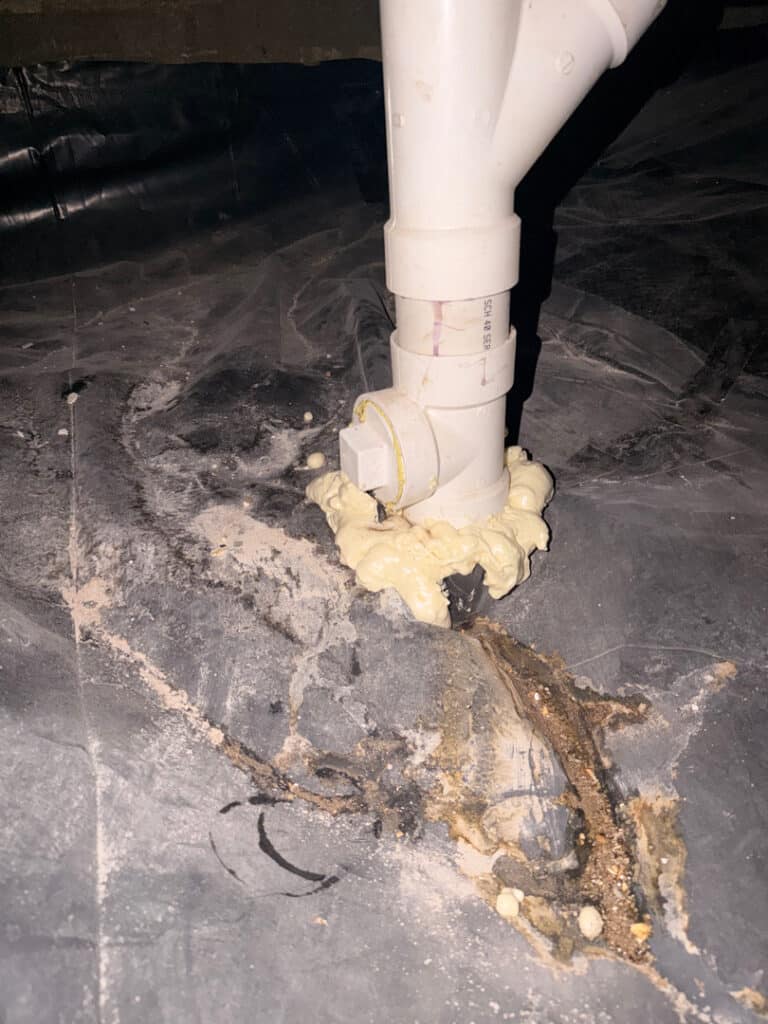
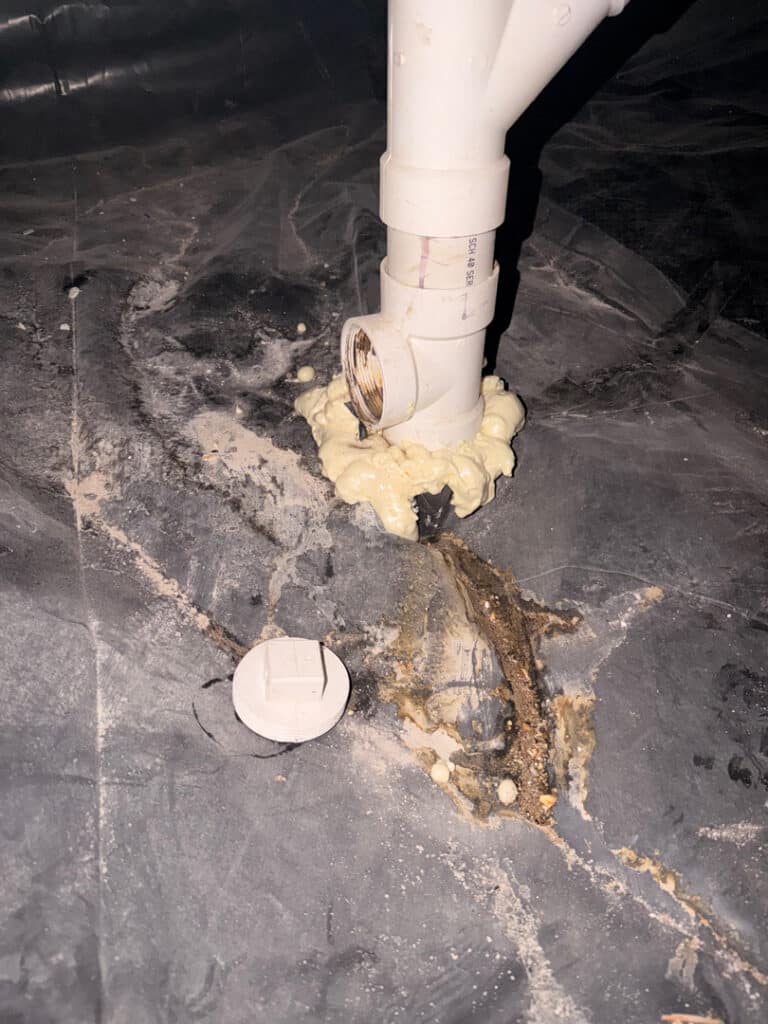
Bad Sewer Smell - Denver
Problem:Smells it outback her house on the block wall
Found:3" PVC plug that was not even hand tight and leaking water into the crawlspace.
Fixed:Removed plug and applied teflon tape and pipe down and then reinstalled
Outcome:Mentioned to the owner that there was one leaf for sure that we solved
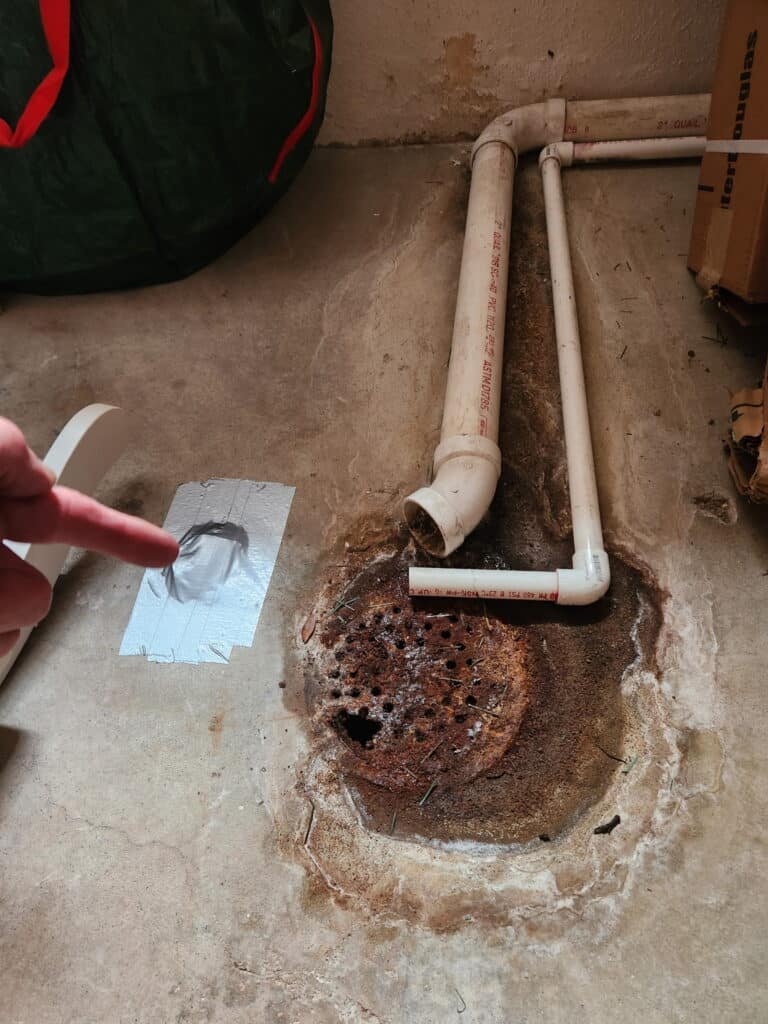
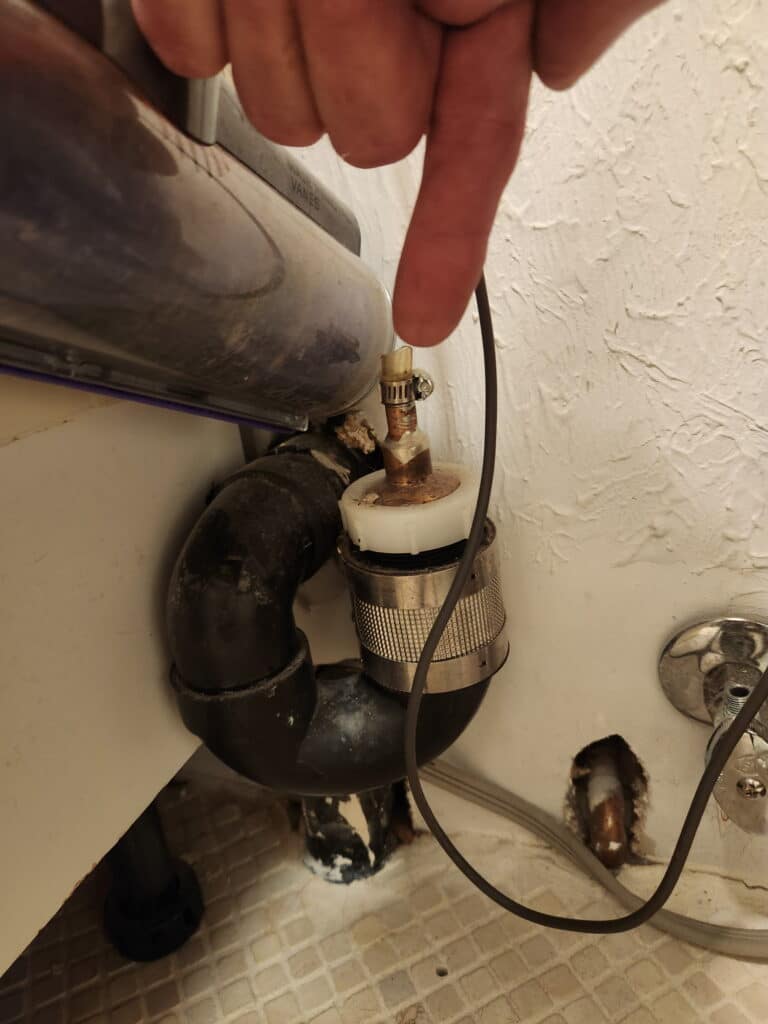
Sewer Gas Leaks to Fix - Denver
Problem:Seal sewer gas opening in the piping
Found:sewer smell issues after smoke test. Cut and caulked old line by ice maker box that was left open a long time ago.
Fixed:Sealed old pipe next to floor drain that had been cut off and was no longer in use . Stuffed rag in hole and filled up with hydraulic cement.
Sewer repair requires systematic diagnosis before any excavation begins. Cardom Plumbing & Heating follows a structured assessment and repair process designed to identify root causes rather than treating surface symptoms.
Our Diagnostic and Repair Process
Initial consultation and symptom documentation – Our technicians gather detailed information about backup frequency, affected fixtures, and any recent changes to your plumbing system
Video camera inspection – We insert high-definition cameras through cleanout access points to visually inspect your entire sewer line from house to street connection
Location marking and depth assessment – Using electronic locating equipment, we mark the precise position and depth of problem areas on your property surface
Repair method determination – Based on damage type, pipe material, depth, and location, we recommend the most appropriate repair approach
Excavation or trenchless execution – We complete repairs using either traditional dig methods or trenchless technologies depending on site conditions
Post-repair camera verification – A final camera inspection confirms proper repairs, correct slope, and clear flow throughout the line
Site restoration coordination – We restore excavated areas and coordinate with landscaping or concrete contractors as needed
Repair Methods and Techniques
Different sewer problems require different solutions. Our technicians are trained in multiple repair approaches:
Spot repairs – Targeted excavation and pipe section replacement for localized damage
Pipe bursting – Trenchless method that fractures existing pipe while simultaneously pulling new pipe through
Pipe lining (CIPP) – Cured-in-place pipe technology creates a new pipe inside existing damaged lines
Full line replacement – Complete removal and installation when damage is too extensive for partial repairs
Cleanout installation – Adding access points for future maintenance and inspection
Communication Throughout Your Project
Sewer repairs can feel overwhelming. We maintain clear communication at every stage – explaining findings in plain language, presenting repair options with honest assessments of each approach, and providing realistic timeline expectations. You'll receive documentation including camera inspection footage, marked property diagrams, and detailed repair specifications.
Why Choose Cardom Plumbing & Heating
Sewer repair requires more than basic plumbing skills – it demands specialized equipment, excavation expertise, and thorough understanding of local soil conditions and municipal requirements. Cardom Plumbing & Heating maintains the certifications, equipment, and local experience necessary for complex underground work throughout the Denver metro area.
Our technicians hold Colorado state plumbing licenses and receive ongoing training in trenchless repair technologies. We own and operate professional-grade camera inspection systems, electronic pipe locators, and excavation equipment – allowing us to handle projects entirely in-house rather than coordinating multiple subcontractors. This integrated approach reduces project timelines and eliminates communication gaps between different crews.
What Sets Us Apart
24/7 emergency response – Sewer backups don't wait for business hours, and neither do we
Upfront diagnostic pricing – Camera inspections are quoted before work begins with no hidden fees
Multiple repair options – We present traditional and trenchless approaches when both are viable, letting you choose based on budget and priorities
Permit coordination – We handle Denver permit requirements and schedule required inspections
Warranty protection – Our repairs include written warranties covering both materials and workmanship
Post-repair documentation – You receive camera footage and repair records valuable for future home sales
Denver's unique combination of aging infrastructure, challenging soil conditions, and extreme temperature variations requires plumbers who understand local factors affecting sewer performance. Our years serving Front Range communities have built practical knowledge of neighborhood-specific issues – from the clay tile connections common in Park Hill to the cast iron systems throughout Wash Park and Congress Park.
Denver's housing stock presents a timeline of plumbing evolution spanning more than a century. Each construction era brought different pipe materials, installation practices, and design standards – all of which affect current sewer repair needs and approaches.
Historic Neighborhoods (Pre-1940)
Areas including Capitol Hill, Five Points, Curtis Park, and portions of North Denver contain homes built between 1880 and 1940. These properties typically feature:
Vitrified clay tile sewer lines with mortared joints susceptible to root intrusion
Shallow burial depths that increase freeze-thaw stress
Irregular pipe routing following original lot configurations
Connections to century-old municipal mains requiring careful compatibility assessment
Limited cleanout access points complicating camera inspections
Mid-Century Development (1940-1970)
Post-war neighborhoods including Virginia Village, University Hills, Harvey Park, and Montbello were built during a period when Orangeburg pipe gained popularity. This compressed tar paper material seemed economical but deteriorates significantly after 50 years. Cast iron was also common during this period – durable but prone to internal corrosion and joint separation.
Modern Construction (1980-Present)
Newer developments throughout Denver's suburbs primarily use PVC and ABS plastic piping. While more resistant to root intrusion and corrosion, these systems still experience problems from:
Settlement causing bellied sections where waste accumulates
Improper slope installation during original construction
Ground movement in expansive soil areas
Damage from subsequent landscaping or construction projects
Understanding your home's construction era helps predict likely pipe materials and common failure points – information that guides our diagnostic approach and repair recommendations.
Denver's high-altitude semi-arid climate creates environmental conditions that directly impact underground sewer infrastructure. Understanding these factors helps homeowners anticipate maintenance needs and recognize when professional assessment becomes necessary.
Water Quality and Municipal System Characteristics
Denver Water supplies the metro area with surface water sourced primarily from mountain snowmelt. This water is relatively soft compared to groundwater-dependent systems, reducing mineral buildup inside pipes. However, the municipal treatment process and distribution system characteristics create specific considerations:
Chloramine disinfection can accelerate corrosion in certain older pipe materials
Seasonal turbidity variations during spring runoff affect water chemistry
Pressure fluctuations in the distribution system stress pipe joints over time
Soil and Drainage Effects
The Front Range's expansive clay soils represent the single greatest environmental challenge for Denver sewer systems. Bentonite clay – prevalent throughout the metro area – exhibits extreme volume changes based on moisture content. During wet periods, this soil swells and exerts lateral pressure on buried pipes. During drought, it shrinks and creates voids that allow pipes to settle unevenly.
Soil expansion pressure – Can crack rigid clay tile and concrete pipes
Differential settlement – Creates bellied sections where waste accumulates
Joint separation – Opens gaps that invite root intrusion
Drainage pattern changes – Altered water flow around foundations affects nearby sewer lines
Climate Impacts on Sewer Systems
Denver's dramatic temperature swings – sometimes exceeding 50 degrees in a single day – create thermal stress on underground infrastructure. The region experiences over 150 freeze-thaw cycles annually, far more than most U.S. cities. This cycling causes ground heaving that stresses pipe connections and can shift entire line sections. Spring snowmelt combined with sudden temperature drops creates particularly challenging conditions for shallow-buried sewer lines common in older neighborhoods.
Denver Sewer Infrastructure Age and Condition Data
Denver's municipal sewer system serves over 700,000 residents through approximately 1,800 miles of sewer mains. Significant portions of this infrastructure date to the city's early development periods, with some downtown and near-downtown lines exceeding 100 years of service. According to Denver Wastewater Management, the city has prioritized replacement of aging combined sewer systems in older neighborhoods while managing capacity challenges from continued population growth.
The condition of municipal mains directly affects private sewer laterals – the homeowner-owned pipes connecting residences to city lines. When main lines experience problems, connected laterals often suffer collateral damage from ground disturbance, pressure changes, or backup events. Denver's ongoing infrastructure improvement projects, while necessary, can temporarily affect private sewer performance in project areas.
Key Infrastructure Statistics
Approximately 30% of Denver's sewer mains were installed before 1950
The city replaces or rehabilitates roughly 10 miles of sewer main annually
Combined sewer overflow events – where stormwater and sewage mix during heavy rain – remain a challenge in older neighborhoods
Private sewer laterals average 40-60 feet in length, with homeowners responsible for maintenance from house to property line
Clay tile and Orangeburg pipes remain in service throughout neighborhoods developed before 1970
These infrastructure realities mean Denver homeowners should consider sewer line condition as part of regular home maintenance – particularly in neighborhoods with pre-1970 construction. Proactive camera inspections can identify developing problems before they cause backup emergencies, allowing planned repairs rather than crisis response. Cardom Plumbing & Heating recommends baseline sewer inspections for any Denver home that hasn't been scoped within the past five years, especially properties with mature trees or known older pipe materials.
Common signs include frequent backups in drains, slow drainage, unusual odors from your plumbing, and wet spots in your yard. If you notice any of these issues, it's best to contact a professional for an inspection.
The cost of sewer repair can vary widely based on the extent of the damage and the type of repair needed. On average, homeowners can expect to pay anywhere from a few hundred to several thousand dollars, especially if extensive excavation is required.
In Denver, sewer line issues often arise from tree root intrusion, aging infrastructure, and the unique soil conditions that expand and contract with moisture levels. These factors can lead to cracks, blockages, and other damage in the sewer lines.
While some homeowners may attempt temporary fixes, such as using chemical drain cleaners, these solutions often do not address the underlying issues. It's advisable to seek professional help to accurately diagnose and repair the problem.
Trenchless sewer repair is a method that allows for repairs without extensive digging. This technique minimizes disruption to your yard and can often be completed more quickly than traditional methods. Many plumbing companies in Denver offer this service.
The duration of a sewer repair can vary depending on the complexity of the issue. Simple repairs may take just a few hours, while more extensive work, such as complete line replacement, could take one to several days.
If you experience a sewer backup, avoid using any plumbing fixtures and contact a professional immediately. Do not attempt to clear the blockage yourself, as this can lead to further damage or health hazards.