Sewer repair in Louisville, CO is essential for homeowners facing issues like slow drains or sewage odors, as these problems can lead to significant property damage and health risks. Professional services include diagnosing and restoring underground waste lines, ensuring proper function and compliance with local codes.
Homeowners should be aware of warning signs such as multiple drains backing up or sewage odors. Accurate diagnosis using camera inspections helps identify the true source of issues. Cardom Plumbing & Heating offers various repair methods, including trenchless options, to minimize disruption.
Sewer Repair Services in Louisville, CO A backed-up sewer line brings your household to a standstill.
When wastewater can’t leave your home, every drain becomes a potential hazard – and the longer the problem persists, the greater the risk of property damage and health concerns.
What is sewer repair and why is it important?
Sewer repair involves fixing issues within the sewer line that can cause backups or slow drainage. It is crucial for maintaining a functional plumbing system, as unresolved problems can lead to significant property damage and health risks due to wastewater accumulation. Prompt repairs help restore proper drainage and prevent further complications.
Sewer Repair Services in Louisville, CO
A backed-up sewer line brings your household to a standstill. When wastewater can't leave your home, every drain becomes a potential hazard – and the longer the problem persists, the greater the risk of property damage and health concerns. Louisville homeowners facing slow drains, gurgling toilets, or sewage odors need prompt, professional attention to restore their plumbing system's most critical function.
Sewer repair encompasses the diagnosis and restoration of underground waste lines that carry wastewater from your home to Louisville's municipal sewer system. This work ranges from clearing stubborn blockages and repairing cracked pipe sections to full line replacement when deterioration becomes too severe. Professional assessment matters because sewer problems often mask their true source – what appears to be a simple clog might actually indicate root intrusion, pipe collapse, or bellied sections that trap debris.
Key Benefits of Professional Sewer Repair
Accurate diagnosis through camera inspection reveals the exact location and nature of damage
Targeted repairs minimize excavation and property disruption
Code-compliant work protects your home's value and your family's health
Louisville's unique combination of aging infrastructure in established neighborhoods, expansive clay soils, and temperature swings from mountain weather patterns creates specific challenges for residential sewer systems. Understanding these local factors helps homeowners recognize warning signs early and make informed decisions about repair approaches.
Louisville's location along the Front Range exposes sewer systems to conditions that accelerate wear and create unexpected failures. The city's blend of historic homes near downtown and newer developments toward the east means plumbing infrastructure varies dramatically in age, materials, and condition across different neighborhoods.
Temperature fluctuations pose particular challenges here. Winter nights regularly drop below freezing while afternoon sun warms exposed ground surfaces – this freeze-thaw cycling causes soil movement that stresses buried pipes. Clay-rich soils common throughout Boulder County expand when wet and contract during dry periods, placing additional strain on sewer line joints and connections.
Local Factors Affecting Louisville Sewer Systems
Mature trees in established neighborhoods send roots seeking moisture into aging clay and cast iron pipes
Coal Creek flood plain areas experience periodic groundwater intrusion that can infiltrate damaged sewer lines
Homes built before 1980 often have Orangeburg (tar paper) or clay tile pipes approaching end of service life
Expansive soils shift seasonally, creating bellied sections where waste accumulates
Hard water mineral deposits gradually reduce pipe diameter and catch debris
Construction activity in growing areas can disturb or damage existing sewer connections
Warning Signs Louisville Homeowners Should Monitor
Sewer problems rarely appear without warning. Recognizing early symptoms prevents minor issues from becoming major failures:
Multiple drains backing up simultaneously – especially floor drains or basement fixtures
Sewage odors in the yard, basement, or near floor drains
Unusually green or soggy patches in the lawn above sewer line paths
Recurring clogs that return despite repeated clearing attempts
Water level fluctuations in toilet bowls without use
Spring snowmelt and late summer monsoon rains increase groundwater levels throughout Louisville, often revealing compromised sewer lines that function adequately during drier months. Many homeowners first notice problems during these seasonal transitions when additional water infiltrates damaged pipes.
How Cardom Plumbing & Heating Approaches Sewer Repair
Effective sewer repair begins with accurate diagnosis. Cardom Plumbing & Heating follows a systematic process designed to identify the true cause of sewer problems and implement lasting solutions.
Our Diagnostic and Repair Process
Initial Assessment – We evaluate your symptoms, review your home's plumbing history, and discuss any recent changes or events that might relate to the problem
Camera Inspection – A high-definition sewer camera travels through your line, recording real-time video that reveals blockages, root intrusion, cracks, offsets, and pipe condition
Location Marking – Using electronic locating equipment, we pinpoint problem areas and map the sewer line path across your property
Diagnosis Presentation – We review camera footage with you, explain findings, and discuss repair options with their respective advantages
Repair Execution – Based on your approval, we proceed with the appropriate repair method for your specific situation
Post-Repair Verification – A follow-up camera inspection confirms the repair's success and documents the restored line condition
Repair Methods We Employ
Hydro Jetting – High-pressure water cutting removes grease buildup, mineral deposits, and root masses without damaging pipes
Pipe Bursting – A trenchless method that pulls new pipe through the old line, breaking apart deteriorated material
Pipe Lining (CIPP) – Epoxy-saturated liner creates a new pipe within the existing structure without excavation
Traditional Replacement – Full excavation and new pipe installation when damage is too extensive for other methods
Communication Throughout Your Project
Sewer repairs can feel overwhelming, particularly when excavation becomes necessary. Our team maintains clear communication at every stage:
Detailed explanation of findings before any work begins
Written scope of work outlining the planned approach
Regular updates during multi-phase projects
Walkthrough of completed repairs with documentation
Care instructions for newly repaired or replaced lines
Why Choose Cardom Plumbing & Heating
Sewer repair demands precision, proper equipment, and experience with local conditions. Cardom Plumbing & Heating brings all three to every Louisville project. Our technicians hold current Colorado plumbing licenses and maintain ongoing training in trenchless repair technologies – skills that directly translate to better outcomes and less disruption for your property.
Working throughout the Boulder County area means we understand Louisville's specific challenges. We know which neighborhoods have aging clay tile systems, where root intrusion problems concentrate, and how local soil conditions affect repair decisions. This familiarity allows us to anticipate complications and prepare appropriately rather than discovering surprises mid-project.
What Sets Us Apart
Advanced Diagnostic Equipment – Our camera and locating technology identifies problems precisely, reducing unnecessary excavation
Multiple Repair Capabilities – We offer traditional and trenchless options, recommending the best fit for your situation rather than the only method we perform
Responsive Scheduling – Sewer emergencies receive priority attention because we understand the urgency of waste line failures
Thorough Documentation – Camera footage and written reports provide records for your files and future reference
Follow-Up Verification – Post-repair inspections confirm success and give you confidence in the completed work
Our approach centers on solving your problem correctly the first time. We take time to explain options, answer questions, and help you understand what's happening beneath your property. That transparency builds trust and helps you make informed decisions about your home's plumbing infrastructure.
Recent Work
Water Leaking - Louisville
Problem:Find and repair leak.
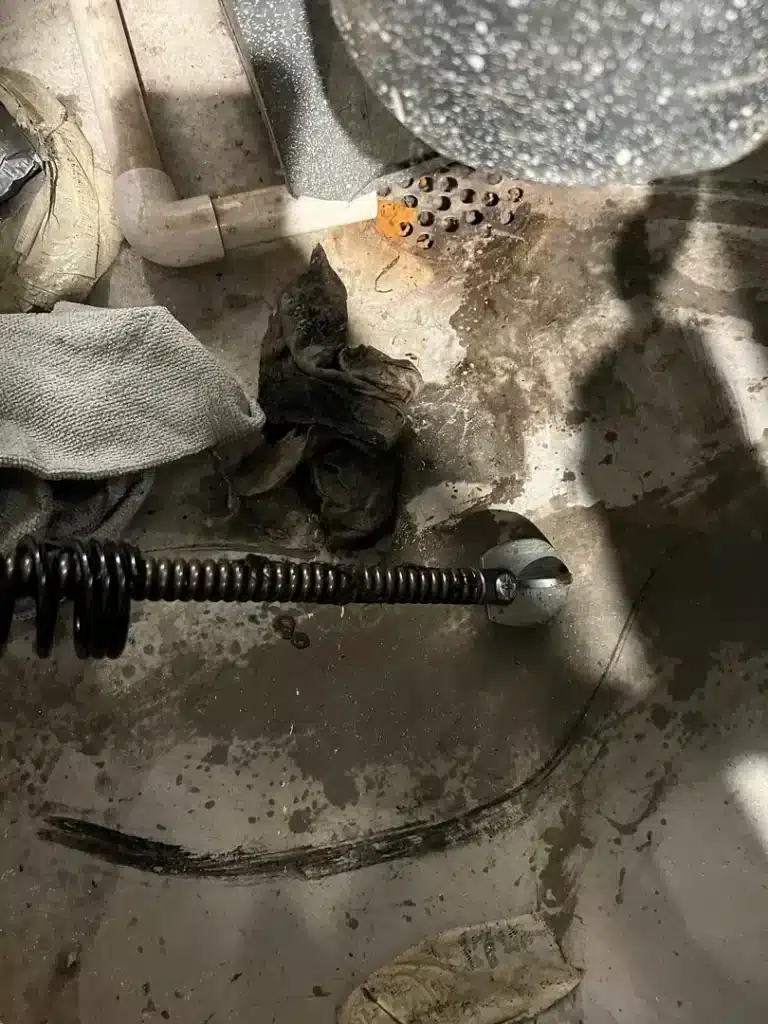
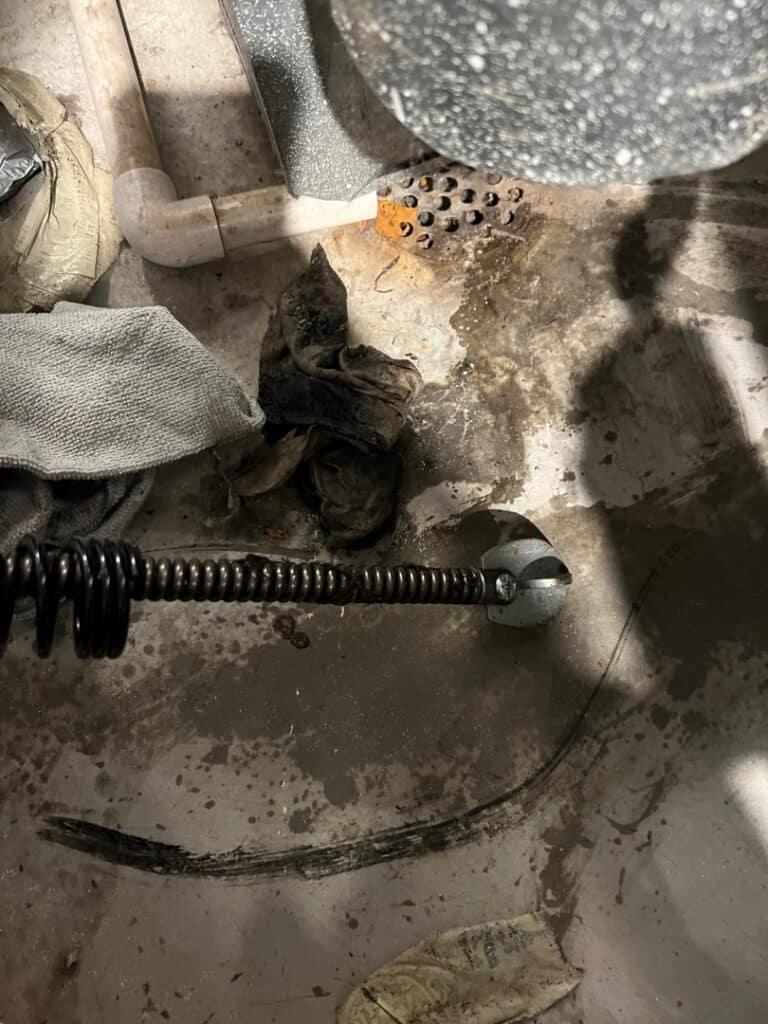
Found:Pulled out some wipes that were flushed down.
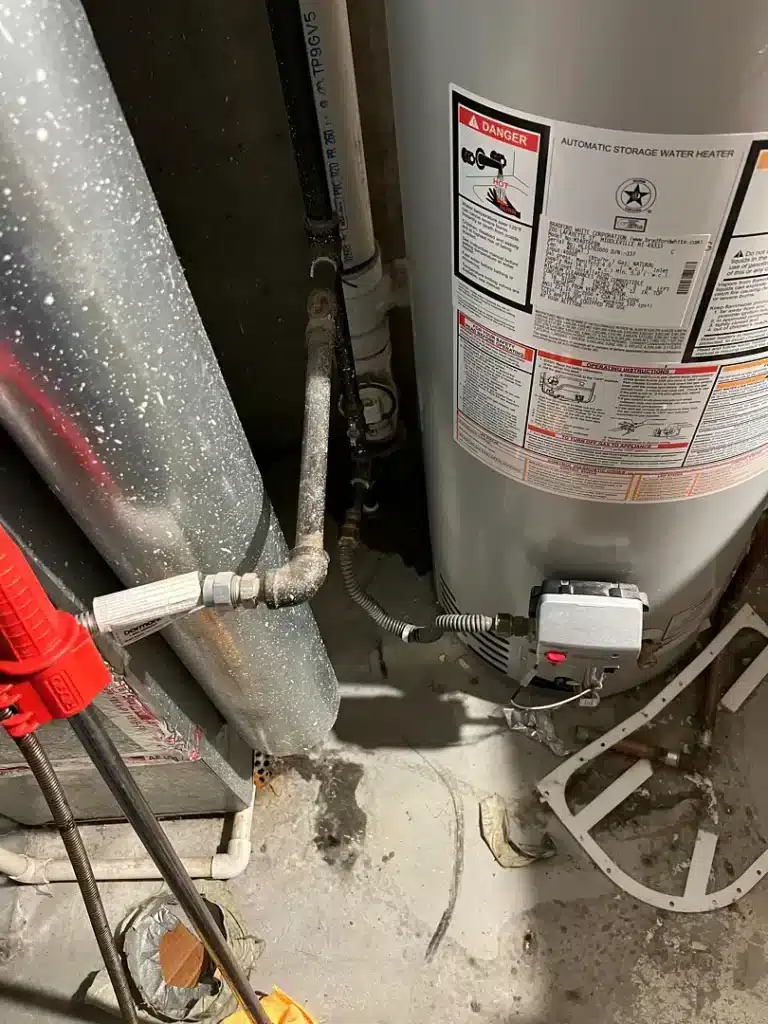
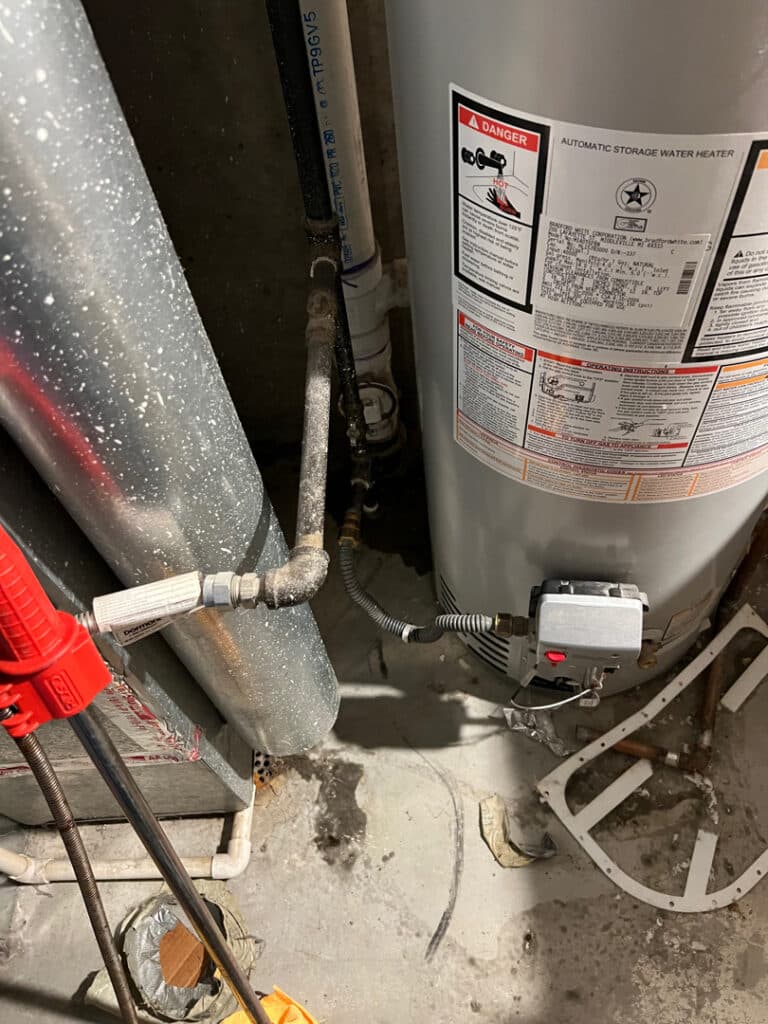
Fixed:Using large sewer machine, we ran the cable from the house to the main several times. Ran all plumbing in the home at the same time. Cleared drain. There was also a lot of grease in the line so we feel the wipes stuck to the grease and caused the blockage.
Outcome:Working properly
Water Leaking - Louisville
Problem:The water leak was a stopped up sewer main.
Found:Using large sewer machine, we ran the cable from the house to the main several times. Pulled out some wipes that were flushed down.
Fixed:Ran all plumbing in the home at the same time. Cleared drain.
Outcome:There was also a lot of grease in the line so we feel the wipes stuck to the grease and caused the blockage. Jobsite cleanup.
Louisville's housing stock spans more than a century of construction, creating a diverse range of sewer system conditions across the city. Understanding your home's era helps anticipate the challenges your sewer line likely faces.
Historic Louisville (Pre-1950)
The original town center and surrounding blocks contain Louisville's oldest homes, many dating to the coal mining era. These properties typically feature:
Clay tile or cast iron sewer lines with mortar-sealed joints
Shallow burial depths that increase freeze vulnerability
Mature landscaping with extensive root systems
Connections to older municipal sewer mains
Potential for abandoned cesspool or septic remnants
Mid-Century Development (1950-1980)
Louisville's post-war expansion brought new neighborhoods with different pipe materials. Homes from this era often have:
Orangeburg (bituminous fiber) pipes now well past their 50-year lifespan
Early PVC or ABS plastic in later construction
Cast iron stacks transitioning to different materials underground
Bellied sections from decades of soil settlement
Modern Construction (1980-Present)
Newer Louisville developments – particularly east toward Highway 42 – generally feature more durable materials but aren't immune to problems:
Schedule 40 PVC as the standard material
Deeper burial for freeze protection
Longer runs to street connections in larger-lot subdivisions
Potential for construction defects or improper installation
Newer landscaping that will eventually threaten pipes as trees mature
Knowing your home's construction period helps our technicians arrive prepared with appropriate repair materials and realistic expectations about what camera inspection might reveal.
Louisville's environmental setting directly influences sewer system performance and failure patterns. Front Range conditions create specific stresses that homeowners should understand.
Water Quality Characteristics
Louisville receives treated water from the city's municipal system, sourced primarily from Coal Creek and supplemented by Northern Colorado Water Conservancy District supplies. Local water characteristics include:
Moderate to high mineral content contributing to scale buildup
Seasonal quality variations following snowmelt and runoff periods
Treatment processes that affect water chemistry and pipe interactions
While water quality primarily affects supply-side plumbing, mineral content in wastewater contributes to gradual deposit accumulation inside sewer lines – particularly at joints and rough spots where flow slows.
Soil and Drainage Factors
Boulder County soils present ongoing challenges for buried infrastructure:
Expansive Clay – Bentonite-rich soils swell significantly when wet, exerting lateral pressure on pipes and shifting alignment
Shrink-Swell Cycling – Seasonal moisture changes cause repeated soil movement that fatigues pipe joints
Coal Creek Proximity – Properties near the creek corridor experience elevated groundwater during runoff seasons
Rocky Substrates – Some areas have cobble layers that complicate excavation and create point-loading on pipes
Climate Impacts on Sewer Systems
Louisville's semi-arid climate with cold winters creates distinct seasonal patterns:
Winter freeze-thaw cycles stress pipe joints and connections
Spring snowmelt raises groundwater and reveals infiltration points
Summer drought causes soil shrinkage and pipe movement
Late summer monsoons deliver sudden heavy rainfall that tests capacity
Temperature swings of 40+ degrees in single days stress materials
These environmental factors mean Louisville sewer systems work harder than those in more temperate climates. Regular inspection helps identify developing problems before environmental stresses turn minor issues into failures.
Louisville Sewer Infrastructure and Municipal System Data
Louisville's municipal sewer system serves approximately 8,500 residential and commercial connections across the city's 9.5 square miles. The city operates under a separated sewer system – meaning stormwater and sanitary sewage travel through independent networks. This design reduces treatment plant burden during heavy rain but means residential sewer lines must handle all household wastewater without dilution.
The municipal system includes over 85 miles of sewer mains ranging from 8-inch residential collectors to 24-inch trunk lines. Much of this infrastructure dates to Louisville's growth periods in the 1970s and 1980s, placing significant portions at or beyond their intended service life. The city conducts ongoing main line rehabilitation, but private lateral lines – the pipes connecting your home to the public main – remain the homeowner's responsibility.
Key Infrastructure Statistics
Average sewer main age in established neighborhoods: 40-50 years
Private lateral responsibility extends from the home to the main line connection
Typical lateral length in Louisville: 40-80 feet depending on lot configuration
Common lateral materials by era: clay tile (pre-1960), Orangeburg (1950-1975), cast iron (1960-1985), PVC (1980-present)
Municipal connection depth at property line: typically 6-10 feet
How This Affects Your Sewer Repair Needs
Understanding Louisville's infrastructure helps frame repair decisions. When your lateral connects to an aging main, proper alignment and joint integrity become especially important – a poorly executed repair can create problems at the connection point. The separated system design also means any groundwater entering your damaged lateral adds volume that shouldn't reach the treatment plant, potentially triggering municipal attention.
Louisville's Public Works department maintains records of main line locations and can mark public sewer infrastructure before excavation. Cardom Plumbing & Heating coordinates with city utilities when repairs approach the public connection, ensuring our work integrates properly with the municipal system and meets all local code requirements.
Common signs include slow drains, gurgling toilets, and unpleasant sewage odors. If you notice any of these issues, it's important to act quickly as they can indicate serious problems with your sewer line.
Professionals typically use camera inspections to assess the condition of your sewer lines. This technology allows them to pinpoint the exact location and nature of any damage or blockages.
Sewer line issues in Louisville can stem from various factors, including aging infrastructure, root intrusion from mature trees, and the effects of clay-rich soils that expand and contract with moisture changes.
The duration of sewer repair can vary based on the complexity of the issue. Simple repairs may take just a few hours, while more extensive work, such as full line replacement, could take several days.
Regular maintenance, such as cleaning your drains and being mindful of what goes down them, can help prevent sewer issues. Additionally, scheduling periodic inspections can catch potential problems early.
If you experience a sewer backup, stop using all plumbing fixtures immediately to prevent further damage. Contact a professional sewer repair service right away to address the issue.
Coverage for sewer repairs can vary by policy. It's best to check with your insurance provider to understand what is included and whether you have coverage for sewer line issues.