

Upgrading your bathtub in Wheat Ridge, CO, not only enhances your bathroom's look but also addresses critical plumbing issues that can affect your entire home. Professional installation is essential to prevent costly water damage and ensure compliance with local building codes.
- Old bathtubs can have cracks, leaks, and mineral buildup that necessitate replacement. Proper installation includes checking existing plumbing and ensuring secure connections to prevent future issues.
- Wheat Ridge homes often have aging plumbing systems that require careful assessment and potential upgrades during installation.
- Our team provides thorough communication and follow-up to ensure your new bathtub functions properly and meets your expectations.
Bathtub installation in Wheat Ridge, CO involves removing the old tub, addressing any plumbing issues, and properly installing the new bathtub. This process not only enhances the bathroom's look but also ensures that plumbing connections are secure, preventing leaks and improving the overall water system in the home.
Bathtub Installation in Wheat Ridge, CO
That old bathtub has served you well, but the cracks, chips, and stubborn stains tell a story of decades past. Maybe the drain gurgles ominously every time you fill it, or perhaps you've noticed water seeping beneath the caulk line. Whatever brought you here, upgrading your bathtub transforms more than just your bathroom's appearance – it addresses underlying plumbing connections that affect your entire home's water system.
Bathtub installation involves far more than removing one fixture and dropping in another. The process requires precise connections to your home's water supply lines, proper drain and overflow assembly, secure mounting to prevent movement, and waterproofing that protects your subfloor and walls from moisture damage. In Wheat Ridge specifically, our aging housing stock and mineral-rich water supply create unique installation challenges that demand professional expertise.
Why Professional Installation Matters
A bathtub that isn't properly installed can cause thousands of dollars in hidden water damage. Professional diagnosis identifies existing problems before they're sealed behind your new tub.
- Proper slope verification for complete drainage – preventing standing water and mold growth
- Accurate assessment of existing supply line condition and compatibility with new fixtures
- Subfloor inspection for rot, water damage, or structural weakness before installation begins
- Code-compliant connections that pass inspection and protect your home's resale value
Common Plumbing Issues in Wheat Ridge, CO
Cardom Plumbing & Heating provides Bathtub Installation services in all neighborhoods of Wheat Ridge including Applewood Lane, Kipling Villiage, Outlook Clear Creek, The Ridge, and Vista Village.
Wheat Ridge sits at approximately 5,400 feet elevation, where our semi-arid climate creates specific stresses on bathroom plumbing. Temperature swings between day and night – sometimes exceeding 30 degrees – cause pipes and fixtures to expand and contract repeatedly. This thermal cycling loosens connections over time and accelerates wear on seals and gaskets around bathtub drains and overflows.
The Denver Water supply serving Wheat Ridge contains dissolved minerals that accumulate inside pipes, around faucet connections, and within drain assemblies. This mineral buildup restricts water flow, corrodes older brass and copper fittings, and creates the white crusty deposits you've probably noticed around your current tub's fixtures. Homes built before the 1980s – which describes much of Wheat Ridge's housing inventory – often have galvanized steel drain lines that are particularly vulnerable to this mineral accumulation.
Local Factors Affecting Your Bathtub Installation
- Aging infrastructure: Many Wheat Ridge homes feature original 1950s-1970s plumbing with cast iron drain stacks and galvanized supply lines that may need upgrading during installation
- Hard water effects: Mineral deposits compromise existing drain connections and require thorough cleaning or replacement before new tub installation
- Freeze-thaw cycles: Exterior wall bathrooms experience pipe stress during winter months, making spring and fall ideal installation seasons
- Foundation settling: Colorado's expansive clay soils cause gradual foundation movement that can misalign drain connections and create low spots in tub positioning
- Vintage construction methods: Mid-century homes often have non-standard rough-in dimensions that require adapter fittings or custom solutions
- Limited access spaces: Ranch-style and split-level homes common here present crawlspace and basement access challenges for drain work
Warning Signs Your Bathtub Needs Replacement
Watch for these indicators that suggest your current tub has reached the end of its service life:
- Persistent leaks around the drain that return despite recaulking
- Visible cracks or chips that penetrate the surface coating
- Soft or spongy flooring near the tub base
- Musty odors indicating hidden moisture problems
- Slow drainage that doesn't improve after clearing the trap
- Rust stains that won't clean – often indicating failing internal components
How Cardom Plumbing & Heating Can Help
Our bathtub installation process addresses every component that connects your new fixture to your home's plumbing system. We've refined our approach specifically for Wheat Ridge homes, accounting for the common construction patterns and plumbing configurations we encounter throughout this community.
Our Installation Process
- Initial assessment: We inspect your existing bathtub, surrounding plumbing, subfloor condition, and access points to identify any underlying issues before providing recommendations
- Preparation work: Careful removal of the old tub, inspection of drain and supply connections, and assessment of the subfloor for water damage or structural concerns
- Infrastructure upgrades: Replacement of corroded drain assemblies, updating supply lines if needed, and addressing any code compliance requirements
- Precise installation: Level positioning of your new tub, secure mounting, and connection of all drain, overflow, and supply components
- Waterproofing: Application of appropriate sealants and moisture barriers to protect surrounding surfaces
- Testing and verification: Fill testing, drain function checks, and leak inspection under pressure before completing the installation
Methods and Techniques
We employ specific techniques suited to the plumbing challenges common in Wheat Ridge:
- Camera inspection of existing drain lines to assess interior condition before connecting new fixtures
- Pressure testing of supply connections to identify leaks before they're concealed
- Mortar bed or foam support systems matched to your specific tub type and subfloor construction
- Transition fittings designed to connect modern PVC drains to older cast iron stacks
- Thread sealants and compression fittings rated for our hard water conditions
Communication Throughout Your Project
You'll know exactly what's happening at each phase. If we discover unexpected conditions – corroded pipes, water damage, or non-standard configurations – we discuss options and costs before proceeding. No surprises, no pressure, just straightforward information so you can make informed decisions about your home.
Why Choose Cardom Plumbing & Heating
Licensed and insured – not just certified – for all residential plumbing work in Colorado, our team brings specific expertise in the fixture installation challenges that Wheat Ridge homes present. We maintain current knowledge of local building codes and inspection requirements, so your installation passes the first time.
Our technicians live and work in this community. We understand that a 1960s ranch in Applewood has different plumbing characteristics than a newer build near Youngfield. This local knowledge translates into accurate assessments, appropriate material selections, and installations that account for your home's specific construction.
What Sets Us Apart
- Responsive scheduling: We offer appointment windows that respect your time, with same-day availability for urgent situations
- Thorough documentation: Before and after photos of all work performed, plus detailed notes on your plumbing system for future reference
- Quality verification: Every installation includes comprehensive testing before we consider the job complete
- Follow-up commitment: We check in after installation to confirm everything functions properly and address any questions
- Diagnostic technology: Video inspection equipment and electronic leak detection help us identify problems invisible to the naked eye
We stand behind our work because we do it right the first time. Our reputation in Wheat Ridge matters to us – many of our customers come from referrals by neighbors who've experienced our service firsthand.
Recent Work
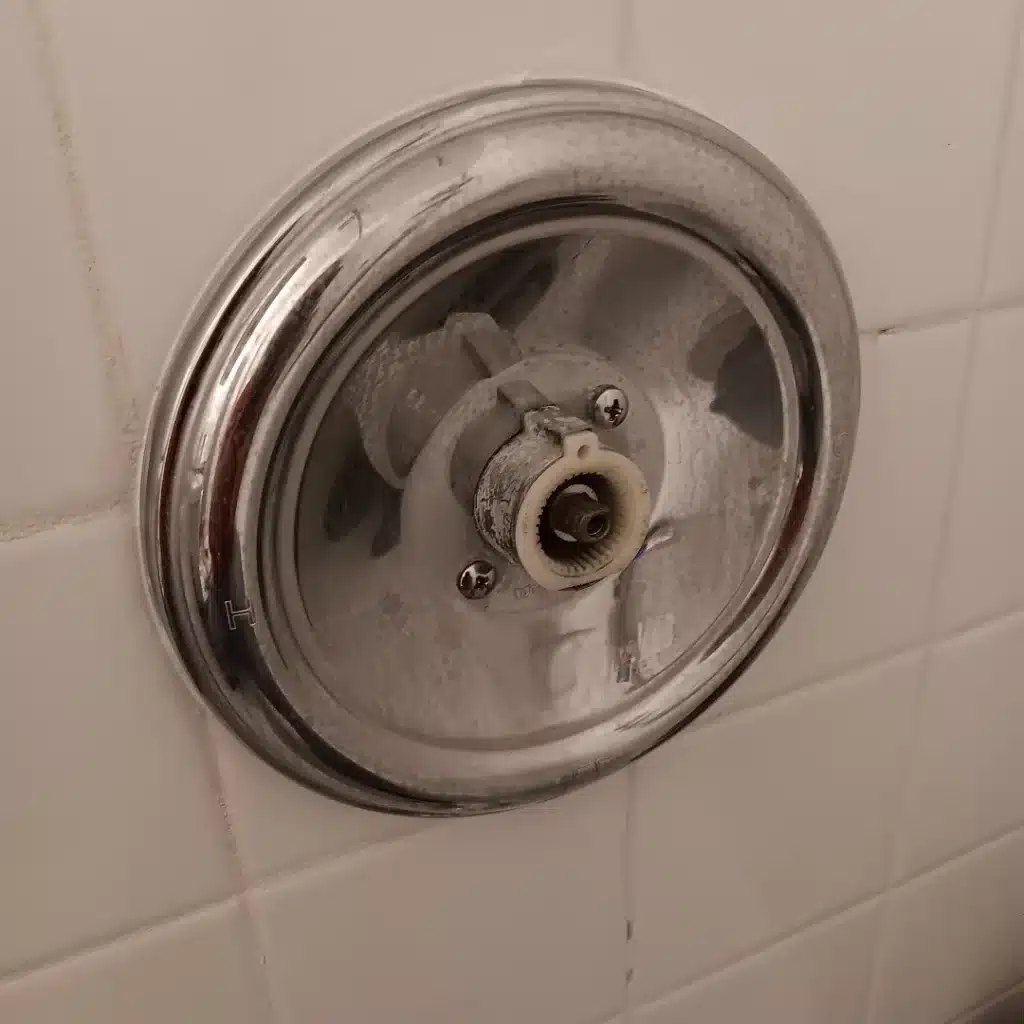
Tub Drain Upstairs Leaking - Wheat Ridge
- Problem: Leak from upstairs tub to the tub below.
- Found: Found a leak on a loose shower arm at the shower head.
- Fixed: Removed it and used Teflon tape and dope and reinstalled. Turn on the water and tested.
- Outcome: Working OK and not leaking.
Housing Characteristics & Bathtub Installation Considerations
Wheat Ridge developed primarily during the post-World War II housing boom, with substantial construction occurring between 1950 and 1975. This timeline means most homes here feature plumbing systems that are 50 to 70 years old – well beyond the typical service life of many original components. Understanding your home's era helps predict what we'll encounter during bathtub installation.
Construction Era Patterns
- 1950s homes: Often feature cast iron drain stacks, galvanized steel supply lines, and original porcelain-over-steel tubs set in mortar beds
- 1960s construction: Transition period with mixed materials – some copper supply lines, but often still cast iron drains and steel tubs
- 1970s builds: Introduction of ABS and PVC drain materials, copper supply becoming standard, fiberglass tub/shower units appearing
- Later renovations: Many homes have partial updates – modern fixtures connected to original drain infrastructure
Common Bathroom Configurations
The predominant single-story ranch and split-level designs in Wheat Ridge create specific installation considerations. Single-story homes typically have slab-on-grade or crawlspace foundations, affecting how we access drain connections. Split-levels often position bathrooms on intermediate floors where drain routing becomes more complex.
- Crawlspace access allows drain work from below but may have limited clearance
- Slab foundations require careful planning – drain relocations involve concrete cutting
- Second-floor bathrooms in split-levels need consideration of ceiling access below
- Original bathroom footprints often accommodate standard 60-inch alcove tubs
Newer construction in areas like the Wheat Ridge Town Center follows modern plumbing codes with PEX supply lines and PVC drainage – simpler to work with but still requiring professional installation for proper function and warranty compliance.
Environmental Conditions & Bathtub Installation Implications
Wheat Ridge's environmental conditions directly impact both the installation process and the long-term performance of your new bathtub. Our location along the Front Range creates a unique combination of climate factors, water characteristics, and soil conditions that experienced local plumbers account for in every project.
Water Quality Characteristics
Denver Water treats and delivers the municipal supply serving Wheat Ridge. While safe for consumption, this water contains dissolved minerals – primarily calcium and magnesium – that measure in the moderately hard range. These minerals affect bathtub installations in several ways:
- Mineral deposits accumulate around drain stoppers and overflow assemblies
- Brass and chrome fixtures develop water spots and scale buildup faster than in soft-water areas
- Existing drain connections often show significant mineral accumulation requiring cleaning or replacement
- Certain tub materials and finishes resist mineral staining better than others
Climate Impact on Plumbing Systems
Our semi-arid climate with over 300 days of sunshine creates temperature extremes that stress plumbing connections. Winter nights regularly drop below freezing while afternoon sun warms exterior walls significantly. This cycling affects bathroom plumbing – especially in exterior wall locations common in ranch-style homes.
- Low humidity: Caulk and sealants dry out faster, requiring higher-quality products rated for arid conditions
- Temperature swings: Expansion and contraction stress connections – proper installation techniques accommodate this movement
- Freeze potential: Supply lines in exterior walls need insulation consideration during installation
- UV exposure: Bathroom windows in Wheat Ridge receive intense sunlight that can degrade certain tub materials over time
Soil and Drainage Considerations
The expansive clay soils prevalent throughout Jefferson County cause foundation movement as moisture levels change seasonally. This movement can shift drain line alignment over decades, creating low spots or separation at joints. During bathtub installation, we verify proper drain slope and connection integrity to account for any historical foundation settling.
Wheat Ridge Housing Age and Plumbing Infrastructure Data
According to U.S. Census data, Wheat Ridge's housing stock reflects its mid-century development pattern. Approximately 65% of homes in the city were built before 1980, with the median year of construction falling in the mid-1960s. This makes Wheat Ridge one of the older established communities in the Denver metropolitan area – and creates specific implications for bathtub installation projects.
Infrastructure Age Statistics
- Homes built 1950-1959: Approximately 22% of housing units – original cast iron and galvanized plumbing likely present
- Homes built 1960-1969: Approximately 28% of housing units – mixed material era, many still with original fixtures
- Homes built 1970-1979: Approximately 15% of housing units – transition to modern materials beginning
- Homes built 1980 or later: Approximately 35% of housing units – generally modern plumbing systems
These statistics directly impact bathtub installation complexity. In pre-1970 homes, we frequently encounter galvanized steel drain lines with interior corrosion that restricts flow. Cast iron stacks remain serviceable but require specialized fittings to connect modern fixtures. Original brass drain assemblies often show significant wear and mineral damage after 50+ years of service.
What This Means for Your Installation
The age of Wheat Ridge's plumbing infrastructure means bathtub installation often involves more than simple fixture replacement. Our assessments account for:
- Condition of existing drain lines and likelihood of needing upgrades
- Compatibility between original rough-in dimensions and modern tub specifications
- Supply line material and condition – galvanized steel often requires replacement
- Ventilation adequacy for proper drain function under current codes
- Subfloor integrity after decades of potential moisture exposure
This infrastructure reality is why professional installation matters so much in Wheat Ridge. A new bathtub connected to failing drain lines or corroded supply pipes won't perform properly – and may mask developing problems until water damage becomes severe. Our comprehensive approach addresses the entire system, not just the visible fixture.


