
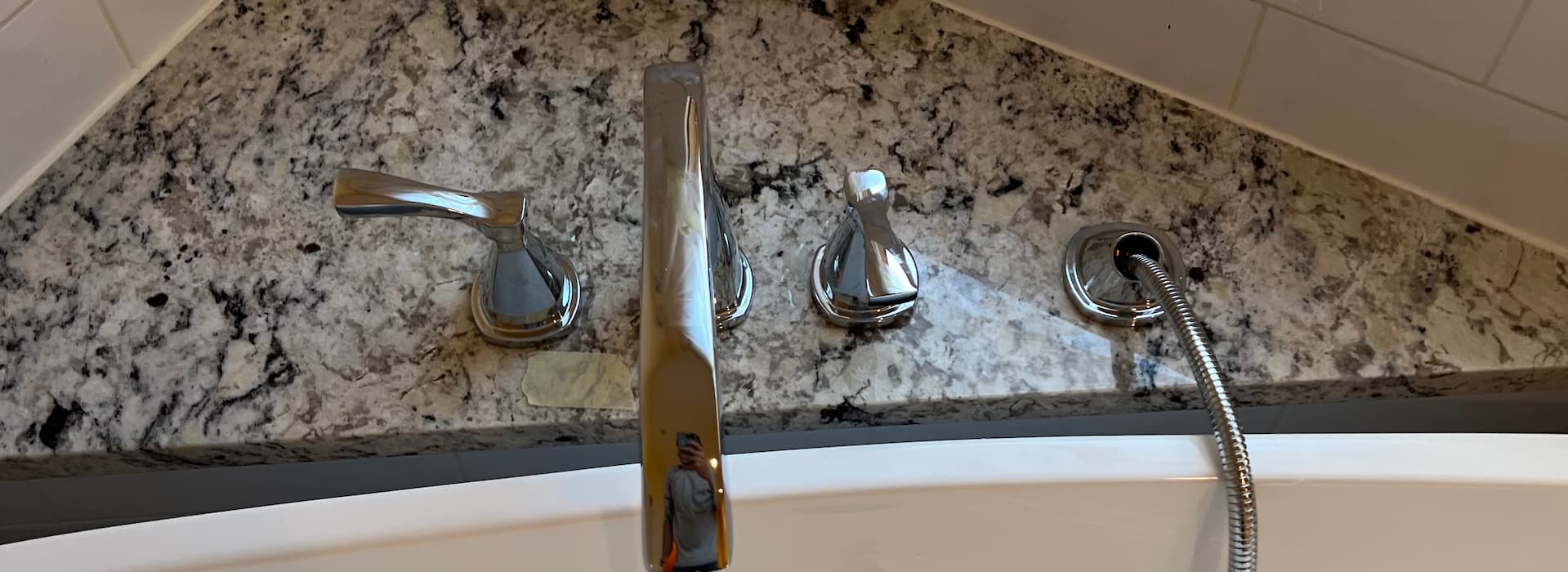
Bathtub installation in Broomfield, CO, requires careful consideration of local conditions and proper techniques to ensure a long-lasting and functional fixture. The process involves removing the old tub, assessing plumbing and structural integrity, and installing the new unit with precise connections and waterproofing.
- Broomfield's elevation and water quality present unique challenges for bathtub installations. Proper planning is essential to address these local factors.
- The installation process includes careful removal of the old tub and thorough inspection of hidden components for damage.
- Cardom Plumbing & Heating employs licensed professionals who understand the specific needs of Broomfield homes, ensuring quality workmanship.
Signs that indicate it's time for a bathtub replacement include a dull surface that cleaning cannot restore, visible cracks along the edges, and a drain that fails to empty properly. These issues can significantly impact your bathing experience and suggest that a new bathtub could enhance your daily routine.
Bathtub Installation in Broomfield, CO
Your bathtub has served you well for years, but lately something feels off. Maybe the surface has dulled beyond what cleaning can fix. Perhaps cracks have started appearing along the edges, or the drain never quite empties the way it should. These signs point toward a replacement that could transform your daily routine.
Bathtub installation involves far more than simply swapping one fixture for another. This service encompasses careful removal of existing units, assessment of subflooring and wall conditions, precise plumbing connections, proper drainage alignment, and waterproofing measures that protect your home for decades. Professional installation addresses every component – from supply lines delivering hot and cold water to drain assemblies that must maintain proper slope and seal integrity.
Broomfield presents specific challenges for bathtub installations. The city sits at over 5,300 feet elevation where water behavior differs from sea-level installations. Local water contains mineral content that affects fixture longevity, while temperature swings between seasons stress plumbing connections. Homes across Broomfield range from 1960s-era builds with original cast iron tubs to newer developments featuring modern acrylic units – each requiring different installation approaches.
- Proper water supply connections sized for adequate flow and pressure at elevation
- Drain and overflow assemblies installed with correct pitch for complete drainage
- Waterproof barriers protecting wall cavities and subfloors from moisture damage
- Secure mounting that accounts for the substantial weight of filled bathtubs
Common Plumbing Issues in Broomfield, CO
Broomfield's location along the Front Range creates a unique environment for residential plumbing systems. The semi-arid climate means low humidity most of the year, which can dry out seals and gaskets around bathtub fixtures faster than in more humid regions. When winter arrives, temperatures regularly drop below freezing – sometimes reaching single digits – putting stress on any plumbing running through exterior walls or unheated spaces.
The municipal water supply in Broomfield draws from multiple sources including the Colorado River system and local reservoirs. This water carries dissolved minerals that gradually deposit inside pipes and around fixtures. Over time, these mineral deposits can affect drain performance, corrode older metal components, and leave visible buildup that makes bathtubs look perpetually dirty despite regular cleaning.
Local Factors Affecting Bathtub Performance
- Hard water mineral content – Calcium and magnesium deposits accumulate around drains, faucets, and overflow assemblies, eventually restricting water flow
- Elevation-related pressure variations – Water pressure behaves differently at 5,300+ feet, affecting fill times and requiring properly sized supply lines
- Freeze-thaw cycling – Repeated temperature swings cause expansion and contraction in caulk seals, grout lines, and plumbing connections
- Soil movement – Broomfield's clay-heavy soils expand when wet and contract when dry, potentially shifting foundations and stressing drain lines
- Aging infrastructure – Many neighborhoods were built during the 1970s-1990s growth periods, meaning original bathtubs and plumbing have reached or exceeded their expected lifespan
- Dry air effects – Low humidity accelerates deterioration of rubber gaskets, wax seals, and flexible supply lines
Warning Signs Indicating Replacement Need
Watch for these indicators that your bathtub may need professional attention:
- Persistent staining that won't respond to cleaning products
- Visible cracks, chips, or surface roughness
- Water pooling rather than draining completely
- Soft or spongy flooring near the tub
- Mold or mildew appearing despite regular cleaning
- Leaks visible in the ceiling below the bathroom
How Cardom Plumbing & Heating Can Help
Bathtub installation requires methodical planning and precise execution. Cardom Plumbing & Heating follows a structured process designed to minimize disruption while maximizing the quality and longevity of your new installation.
Our Installation Process
- Initial assessment – We examine your existing bathtub, surrounding walls, flooring condition, and plumbing access points to understand the full scope of work
- Measurement and planning – Precise dimensions ensure your new tub fits properly while allowing adequate clearance for plumbing connections
- Water shutoff and disconnection – Supply lines are safely isolated before removing drain assemblies and faucet connections
- Existing tub removal – Careful extraction prevents damage to surrounding walls, flooring, and plumbing infrastructure
- Inspection of hidden components – Once the old tub is out, we examine subflooring, wall framing, and drain lines for any damage requiring repair
- Surface preparation – Subfloor leveling, moisture barrier installation, and wall preparation create a solid foundation
- New tub positioning – Your bathtub is set in place with proper support, ensuring level installation and correct drain alignment
- Plumbing connections – Supply lines, drain assemblies, and overflow components are connected using appropriate fittings and sealants
- Waterproofing and sealing – All joints between tub and walls receive proper caulking and moisture barriers
- Testing and verification – We fill the tub, check for leaks at every connection, verify proper drainage, and confirm faucet operation
Techniques and Methods
- Pressure testing of supply connections before wall closure
- Drain slope verification using precision levels
- Moisture meter readings to confirm subfloor integrity
- Video inspection of drain lines when accessibility permits
- Thermal imaging to detect hidden moisture issues
Throughout the installation, we maintain clear communication about progress, any unexpected findings, and timeline adjustments. Our team protects your home with drop cloths, removes all debris, and leaves your bathroom ready for use once curing times for sealants have passed.
Why Choose Cardom Plumbing & Heating
Cardom Plumbing & Heating brings licensed, insured professionals to every bathtub installation project. Our technicians hold current Colorado plumbing certifications and participate in ongoing training covering the latest installation techniques, materials, and code requirements. This expertise translates directly into installations that perform reliably for years.
Local knowledge matters when working in Broomfield homes. We understand the common construction methods used in different neighborhoods – from the older homes near Midway Boulevard to newer developments in Interlocken and McKay Landing. This familiarity helps us anticipate challenges before they become problems and recommend solutions suited to your specific home's characteristics.
What Sets Us Apart
- Responsive scheduling – We work around your availability and provide clear arrival windows
- Thorough diagnostics – Our assessments identify underlying issues that could compromise your new installation
- Quality materials – We use commercial-grade fittings, connections, and sealants designed for longevity
- Clean workmanship – Job sites are maintained throughout the project and thoroughly cleaned upon completion
- Follow-up support – Questions after installation receive prompt attention from knowledgeable staff
We stand behind our work with clear documentation of what was installed and how to maintain it. When you work with Cardom Plumbing & Heating, you get a team invested in doing the job right – not just completing it quickly.
Housing Characteristics & Bathtub Installation Considerations
Broomfield's housing stock reflects several distinct development periods, each presenting unique considerations for bathtub installation projects. Understanding your home's construction era helps anticipate what lies behind those bathroom walls.
Housing Development Eras
- 1960s-1970s original developments – These homes often feature cast iron or steel bathtubs with galvanized drain lines. Subfloors may be original plywood that has experienced decades of moisture exposure. Removing heavy cast iron tubs requires careful planning to avoid structural damage.
- 1980s-1990s expansion period – Fiberglass and acrylic tub-shower combinations became standard. Plumbing typically uses copper supply lines with PVC drains. These installations often allow more straightforward replacement with modern units.
- 2000s-present construction – Newer homes feature engineered materials, PEX supply lines, and ABS drain systems. Bathroom layouts often include larger soaking tubs or walk-in showers, affecting replacement options.
Construction Considerations by Home Type
Single-family homes in neighborhoods like Lac Amora and Aspen Creek typically offer good access for installation work. Townhomes and condominiums – common in areas near Flatiron Crossing – may have shared walls or limited access points requiring modified approaches.
- Slab-on-grade foundations require routing drain modifications through concrete
- Basement homes allow easier access to plumbing from below
- Two-story homes with upstairs bathrooms need careful attention to subfloor integrity
- Older homes may have non-standard tub dimensions requiring custom fitting
Wall construction varies as well. Older homes may have plaster over lath, while newer construction uses drywall. The surround material – whether tile, fiberglass panels, or solid surface – affects how we approach the installation and waterproofing process.
Environmental Conditions & Bathtub Installation Implications
Broomfield's environmental conditions directly influence how bathtub installations perform over time. Understanding these factors helps explain why professional installation matters so much in this region.
Water Quality Characteristics
Broomfield's water supply comes from a blend of sources managed by the city's water utility. The water is treated and tested to meet all federal and state standards, but it carries characteristics that affect plumbing fixtures.
- Moderate hardness levels – Dissolved minerals gradually accumulate on fixtures and inside drain assemblies
- pH levels – Slightly alkaline water can affect certain fixture finishes over time
- Chlorine treatment – Disinfection chemicals can degrade rubber components in older plumbing
Climate Impacts on Plumbing Systems
Broomfield experiences over 300 days of sunshine annually, but temperature extremes challenge plumbing systems throughout the year.
- Winter freezing – Temperatures below 32°F occur approximately 160 days per year, stressing any plumbing in exterior walls or unheated spaces
- Summer heat – Temperatures exceeding 90°F can cause thermal expansion in supply lines and affect caulk adhesion
- Low humidity – Average relative humidity around 40% accelerates drying and cracking of seals
- Rapid temperature swings – Broomfield can experience 40-degree temperature changes within hours, causing repeated expansion and contraction cycles
Soil and Drainage Considerations
The soil composition in Broomfield includes significant clay content. This expansive soil swells when absorbing moisture and shrinks during dry periods. These movements can affect foundations and the drain lines running beneath them. Proper bathtub drain connections must account for potential ground movement to maintain seal integrity and correct drainage slope.
Storm drainage patterns in different Broomfield neighborhoods affect how quickly water moves away from foundations. Homes in areas with slower drainage face higher risks of moisture intrusion that could affect bathroom subfloors over time.
Water Infrastructure and Home Plumbing Age in Broomfield
Broomfield's transformation from a small agricultural community to a thriving city of over 74,000 residents occurred primarily between 1970 and 2010. This rapid growth means the majority of homes – and their original plumbing systems – fall within a 40-year age range where components are reaching the end of their expected service life.
Infrastructure Age by Neighborhood
- Original Broomfield (pre-1970) – Approximately 8% of housing stock, often with galvanized pipes and cast iron fixtures approaching or exceeding 50 years old
- 1970s-1980s developments – Roughly 25% of homes, featuring copper supply lines and early PVC drains now 35-50 years old
- 1990s expansion areas – About 30% of housing, with plumbing systems 25-35 years into their lifespan
- 2000s and newer construction – Remaining 37% of homes, with relatively modern plumbing but approaching the 20-year mark when maintenance needs increase
According to plumbing industry standards, bathtubs typically last 15-30 years depending on material and usage, while drain assemblies and supply connections may need attention sooner. This means a substantial portion of Broomfield homes have bathtubs and related plumbing at or beyond their expected service life.
How This Affects Installation Projects
The age distribution of Broomfield's housing stock means bathtub installation projects frequently uncover secondary issues once existing fixtures are removed. Older homes may reveal corroded drain connections, deteriorated subflooring, or outdated supply line materials that should be addressed during the installation process. Cardom Plumbing & Heating approaches every project prepared for these discoveries, ensuring your new bathtub connects to plumbing infrastructure capable of supporting it for years to come.


