
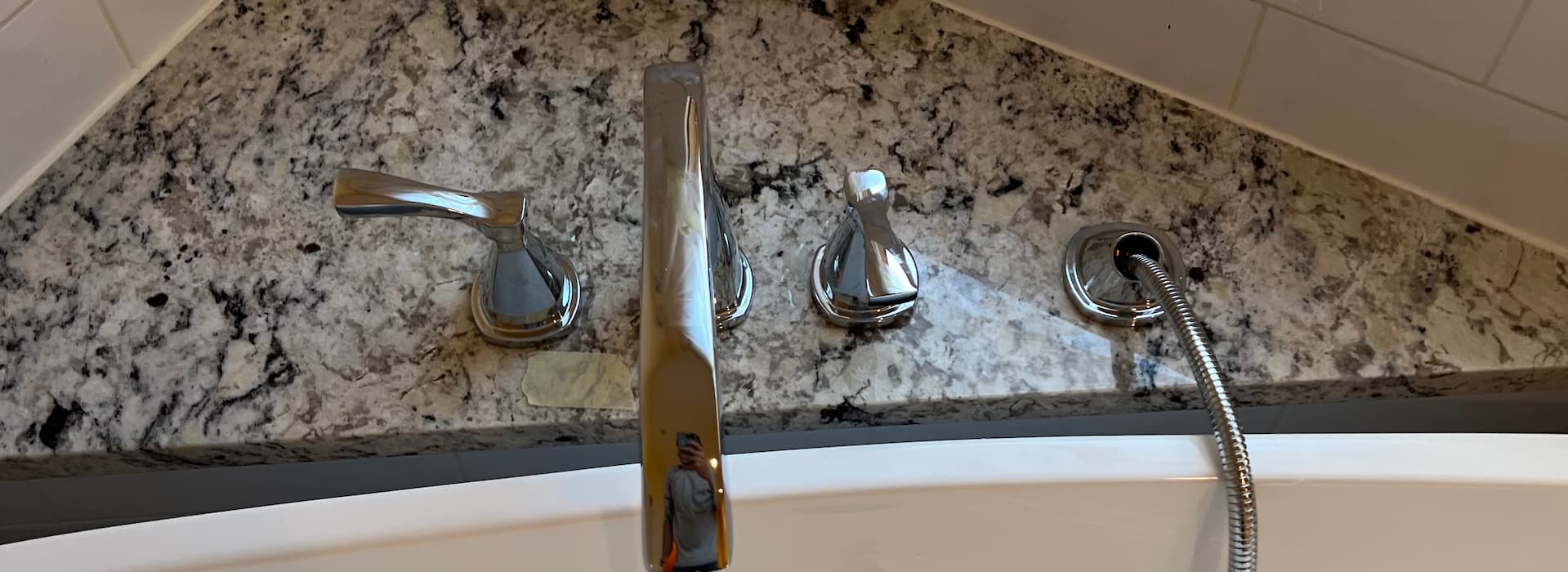
Cardom Plumbing & Heating offers professional bathtub installation services in Thornton, CO, addressing the unique challenges posed by the area's water quality and housing characteristics. Their comprehensive approach ensures that new bathtubs are properly integrated with existing plumbing systems to prevent future issues.
- They assess current plumbing conditions and recommend suitable bathtub options based on individual needs. Professional installation includes necessary modifications to ensure proper drainage and water supply connections. Their licensed technicians use advanced diagnostic tools to identify potential problems before installation, ensuring long-term reliability.
- Bathtub Installation in Thornton, CO That cracked tub basin catching your eye every morning.
- The outdated harvest gold fixture that screams 1970s.
Bathtub installation in Thornton, CO involves removing the old tub, preparing the area, and installing a new bathtub that meets modern standards. Professionals ensure proper drainage and sealing to prevent leaks, while also addressing any plumbing or structural issues. The process aims to enhance both functionality and aesthetics in your bathroom.
Bathtub Installation in Thornton, CO
That cracked tub basin catching your eye every morning. The outdated harvest gold fixture that screams 1970s. Maybe your current bathtub simply doesn't drain properly anymore, leaving you standing in ankle-deep water during every shower. Whatever brought you here, you're ready for a bathtub that actually works – and looks like it belongs in this decade.
Bathtub installation involves far more than swapping one fixture for another. The process connects directly to your home's water supply lines, drainage system, and often requires modifications to surrounding walls, flooring, and subflooring. Professional installation addresses water pressure calibration, proper drain slope, watertight sealing, and overflow protection – all elements that prevent the costly water damage that plagues DIY attempts.
Thornton's unique combination of mineral-heavy water, dramatic temperature swings, and diverse housing stock creates specific installation challenges. Homes built during the city's rapid expansion periods often feature varying pipe materials and drain configurations that require experienced assessment before any tub goes in.
- Proper water supply connection prevents pressure issues and temperature fluctuations
- Correct drain installation eliminates standing water and slow drainage problems
- Professional sealing protects subfloors and framing from moisture infiltration
- Code-compliant overflow systems prevent bathroom flooding during filling
Common Bathtub Installation Issues in Thornton, CO
Cardom Plumbing & Heating provides Bathtub Installation services in all neighborhoods of Thornton including Amber Creek, Burgundy, Eastlake, Fox Run, Holiday Hills Village, Lambertson Lakes, Loma Linda Estates, Marshall Lake, North Hills, Original Thornton, Pine Lakes Ranch, Quebec Highlands, The Grove at Alta Ridge, Wind Dance, Woodland Hills, and York Highlands.
Thornton sits at approximately 5,350 feet elevation with water sourced primarily from Thornton's own water system and the North Weld County Water District. This municipal water carries dissolved minerals – calcium and magnesium particularly – that accumulate on fixtures and inside pipes over time. Older bathtub installations often show heavy mineral scaling around drains and faucet connections.
The Front Range climate subjects plumbing systems to temperature extremes that range from sub-zero winter nights to summer days exceeding 95°F. These swings cause pipe materials to expand and contract repeatedly, stressing connections and seals. Bathtub installations must account for this movement, particularly where supply lines meet the fixture.
Local Factors Affecting Bathtub Installations
- Hard water deposits – Thornton's water hardness averages 150-200 ppm, accelerating wear on drain components and creating buildup around fixtures
- Foundation settling – Clay-heavy soils in many Thornton neighborhoods cause gradual foundation movement that can shift drain alignments
- Mixed pipe materials – Homes from different construction eras feature copper, galvanized steel, PEX, or CPVC – each requiring specific connection approaches
- Basement bathroom challenges – Many Thornton homes have basement bathrooms where drain access and pump requirements complicate installation
- Freeze protection needs – Exterior wall installations require insulation consideration to prevent supply line freezing during cold snaps
- Vintage drain sizing – Pre-1980s homes may have undersized drain lines that struggle with modern high-flow fixtures
Warning Signs Your Bathtub Needs Replacement
Watch for persistent slow drainage even after cleaning – this often indicates corroded drain pipes beneath the tub. Visible cracks, chips that expose underlying material, or soft spots in the tub floor signal structural failure that repairs won't permanently fix. Recurring mold or mildew along tub edges despite regular cleaning suggests failing caulk and grout allowing water infiltration.
How Cardom Plumbing & Heating Handles Bathtub Installation
Every bathtub installation begins with understanding what's already in place and what you want to achieve. Our process ensures the new fixture integrates seamlessly with your existing plumbing infrastructure.
Our Installation Process
- Initial assessment – We examine current drain conditions, water supply line materials, wall and floor structure, and access points before recommending solutions
- Fixture selection guidance – Based on your space dimensions, plumbing configuration, and preferences, we help identify compatible bathtub options
- Preparation work – Old fixture removal, subfloor inspection and repair, drain line evaluation, and supply line assessment
- Rough-in modifications – Adjusting drain placement, supply line routing, or valve positioning as needed for the new tub specifications
- Fixture installation – Leveling, securing, and connecting the new bathtub to water supply and drainage systems
- Waterproofing and sealing – Applying appropriate sealants, caulking, and moisture barriers around all edges and penetrations
- Testing and calibration – Fill testing, drain flow verification, leak inspection, and temperature/pressure checks
- Final walkthrough – Demonstrating proper use, care recommendations, and answering any questions
Methods and Techniques
- Camera inspection of existing drain lines to identify hidden corrosion or blockages
- Pressure testing of supply connections before wall closure
- Laser leveling for precise tub positioning
- Mortar bed setting for freestanding and drop-in tub stability
- PEX crimp or expansion fittings for reliable supply connections
- ABS or PVC drain assembly with proper slope verification
Communication happens throughout each phase. We explain what we're finding, discuss any unexpected conditions, and confirm your approval before proceeding with changes to the original scope.
Why Choose Cardom Plumbing & Heating
Licensed and insured – not just certified – for all residential and commercial plumbing work in Colorado. Our technicians hold current certifications and participate in ongoing training covering new fixture technologies, installation methods, and building code updates. We've worked in Thornton neighborhoods from the original 1950s developments near 88th Avenue to the newest construction in Thorncreek.
Response time matters when you're mid-project or facing an unexpected issue. Cardom Plumbing & Heating maintains scheduling flexibility for both planned installations and situations requiring prompt attention. We answer calls directly – no phone trees or voicemail mazes when you need to reach us.
What Sets Us Apart
- Detailed written estimates before work begins – no surprise charges
- Photo documentation of hidden conditions during installation
- Manufacturer warranty registration assistance for new fixtures
- Follow-up contact after installation to confirm everything functions properly
- Direct technician communication rather than filtered messaging
We bring diagnostic equipment including drain cameras, pressure gauges, and leak detection tools to every installation. This technology allows accurate assessment rather than guesswork – identifying potential problems before they become expensive repairs.
Recent Work
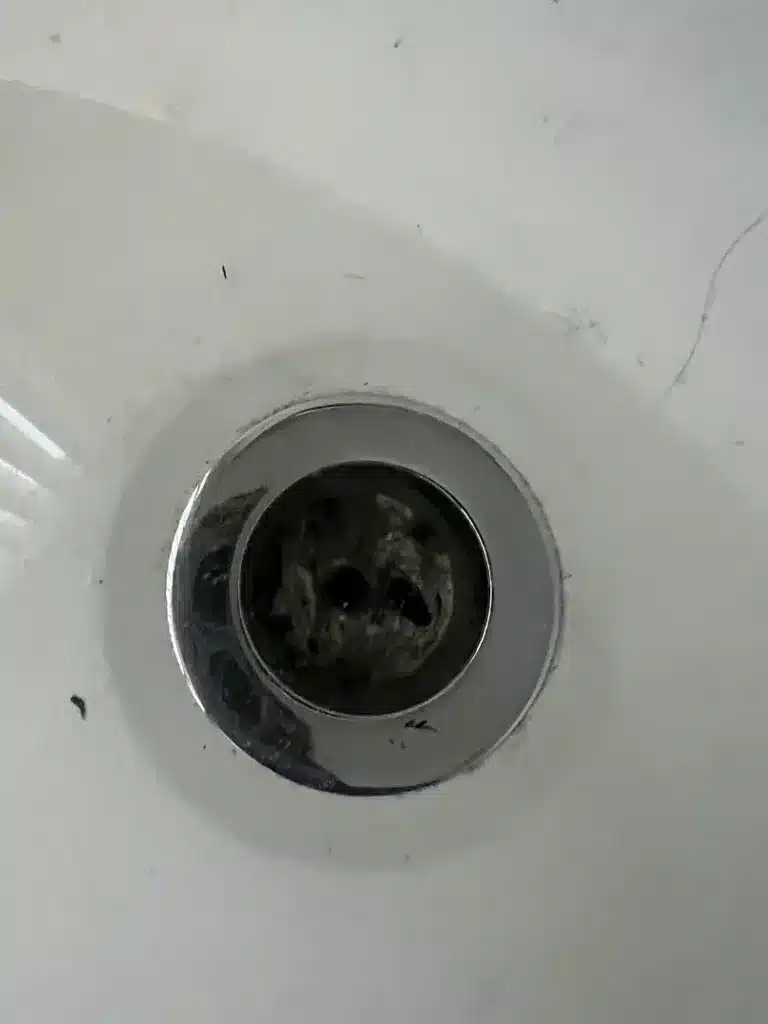
Water Not Flow in the Master Bathtub Faucet - Thornton
- Problem: Tub not working properly.
- Found: The drain was not working.
- Fixed: Could not get the drain apart without using an allen wrench to take it all apart in pieces. Ran cable down the drain a few times. Pulled out a large amount of hair several times.
- Outcome: Reassembled and tested.
Housing Characteristics & Bathtub Installation Considerations
Thornton's housing stock reflects several distinct development waves, each presenting unique bathtub installation scenarios. Understanding your home's era helps anticipate what lies behind those bathroom walls.
Construction Era Breakdown
- 1950s-1960s original development – Smaller footprint homes with cast iron drain lines, galvanized supply pipes, and compact bathroom layouts that limit tub size options
- 1970s-1980s expansion – Split-level and bi-level homes featuring copper supply lines, ABS drain systems, and those memorable colored fixtures (avocado, harvest gold, pink)
- 1990s-2000s growth period – Larger master bathrooms with garden tubs, jetted tubs, and separate shower configurations using CPVC or early PEX plumbing
- 2010s-present construction – Modern PEX systems, larger format tubs, and accessibility-conscious designs in newer subdivisions
Common Thornton Home Configurations
Ranch-style homes dominate older Thornton neighborhoods. These single-story layouts typically feature bathrooms with slab-on-grade construction – meaning drain modifications require concrete cutting. Two-story homes in newer developments offer easier drain access through basement or crawlspace ceilings.
Basement bathroom installations appear frequently in Thornton homes. These below-grade bathrooms often require ejector pump systems when main sewer lines run above the basement floor level. Bathtub installation in these spaces demands careful evaluation of existing pump capacity and drain routing.
- Slab-on-grade homes need careful planning for any drain relocation
- Crawlspace access simplifies supply and drain modifications
- Finished basement ceilings may require partial removal for drain work
- Second-floor bathrooms benefit from first-floor ceiling access for leak detection
Environmental Conditions & Bathtub Installation Implications
Thornton's environmental characteristics directly impact how bathtub installations perform over time. Planning for these conditions during installation prevents premature failures and maintenance headaches.
Water Quality Characteristics
The City of Thornton treats water sourced from Standley Lake, Clear Creek, and the South Platte River. Annual water quality reports consistently show hardness levels requiring consideration during fixture selection. Hard water accelerates wear on drain stoppers, faucet cartridges, and creates visible buildup on tub surfaces – particularly problematic with dark-colored fixtures.
- Water hardness typically ranges 10-12 grains per gallon
- Chlorine treatment levels may affect certain fixture finishes over time
- Periodic manganese presence can cause staining on white fixtures
- Water heater sediment buildup affects hot water delivery to new tubs
Climate Impact on Plumbing Systems
Thornton experiences over 150 days annually with temperatures dropping below freezing. Bathtub supply lines routed through exterior walls or unheated spaces face freeze risk without proper insulation. Installation planning must address pipe routing to minimize exposure.
Low humidity – often below 20% during winter months – causes caulk and sealant to cure differently than in humid climates. Proper product selection and application timing ensure watertight seals that last.
Soil and Drainage Considerations
- Expansive clay soils cause foundation movement affecting drain line alignment
- High water table areas in eastern Thornton may impact basement bathroom drainage
- Sandy soil pockets in some neighborhoods allow faster percolation around foundation drains
- Storm drainage patterns during heavy rain events can temporarily affect sewer capacity
Thornton Water Infrastructure & Plumbing System Data
Thornton operates one of the most progressive municipal water systems along the Front Range, directly impacting residential plumbing installations. The city's water infrastructure includes over 600 miles of water distribution mains serving approximately 145,000 residents. Understanding this system helps explain why certain installation approaches work better in specific Thornton neighborhoods.
Water System Statistics
- Average water pressure ranges 50-80 PSI depending on neighborhood elevation
- Distribution system includes mains ranging from 6-inch to 48-inch diameter
- Water storage capacity exceeds 50 million gallons across multiple facilities
- System age varies significantly – some mains date to 1950s while others are recently installed
Homes in higher elevation areas of western Thornton – particularly near the Thorncreek and Todd Creek developments – often experience higher water pressure that requires pressure-reducing valves. Bathtub installations in these areas must account for pressure management to prevent fixture damage and water hammer issues. Conversely, older central Thornton neighborhoods may have lower pressure requiring verification that new fixtures will fill adequately.
Infrastructure Age Impact
The city has undertaken significant water main replacement projects in established neighborhoods, but many homes still connect through original service lines. Galvanized service lines from pre-1980 construction often restrict flow and contain interior corrosion that affects water quality at the fixture. During bathtub installation, evaluating service line condition helps predict long-term performance and identifies potential upgrade opportunities.
- Neighborhoods east of Washington Street often have older infrastructure requiring assessment
- Newer developments typically feature modern PVC or ductile iron mains with copper or PEX service lines
- Water meter upgrades in recent years provide better flow data for fixture planning
- Seasonal demand fluctuations can affect pressure – summer irrigation reduces available pressure in some areas
This infrastructure knowledge allows Cardom Plumbing & Heating to anticipate installation challenges specific to your Thornton neighborhood and select appropriate connection methods for reliable, long-lasting bathtub performance.


