
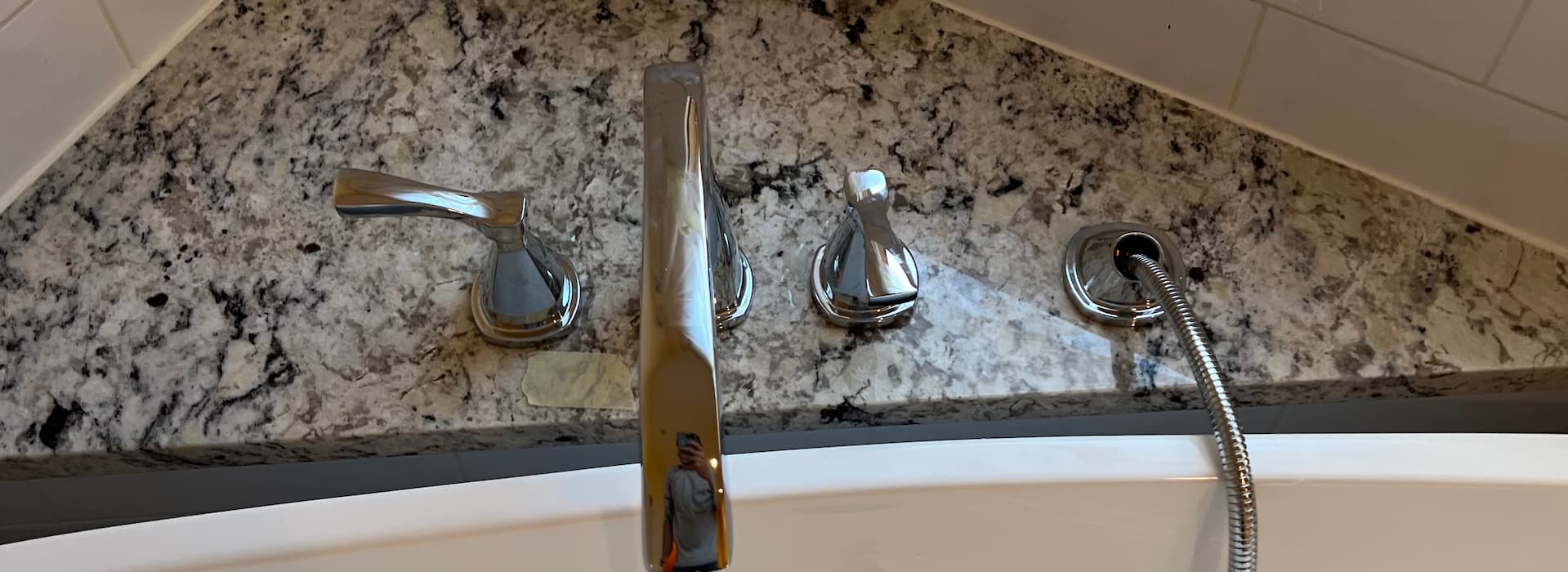
Bathtub installation in Superior, CO is a critical service for homeowners dealing with outdated or damaged fixtures. Professional installation ensures long-lasting performance and addresses unique local plumbing challenges.
- The installation process includes assessing structural integrity and plumbing conditions before proceeding.
- Local factors like altitude and climate affect plumbing systems and require expert attention during installation.
- Cardom Plumbing & Heating offers licensed expertise, responsive scheduling, and a commitment to quality materials and thorough testing.
Bathtub installation in Superior, CO involves removing the old tub, preparing the space, and installing the new fixture, which may include upgrading plumbing and drainage systems. Professional installation ensures that the bathtub is properly fitted and sealed, preventing future issues like leaks and water damage, while enhancing the bathroom's overall aesthetic.
Bathtub Installation in Superior, CO
That cracked tub basin, the outdated fixtures that no longer match your bathroom's style, or the persistent drainage problems that turn every bath into a frustrating experience – these are the moments when bathtub installation moves from a "someday" project to an immediate priority. Whether you're replacing a worn-out unit or upgrading to a soaking tub that transforms your bathroom into a personal retreat, professional installation makes the difference between a fixture that performs flawlessly for decades and one that causes water damage within months.
Bathtub installation involves far more than simply placing a tub and connecting water lines. The process encompasses structural assessment, precise leveling, drain and overflow configuration, supply line connections, waterproofing measures, and integration with your existing plumbing infrastructure. In Superior's unique environment – where elevation affects water pressure and temperature fluctuations stress plumbing joints – every connection point demands expert attention.
Professional plumbing diagnosis before installation reveals hidden concerns that homeowners rarely anticipate:
- Subfloor integrity and load-bearing capacity for heavier soaking or jetted tubs
- Existing drain line condition and proper venting configuration
- Water supply line material compatibility and pressure regulation needs
- Waterproofing requirements specific to your bathroom's construction
Superior's housing stock – ranging from newer construction in Rock Creek to established homes near downtown – presents varied installation scenarios. Older galvanized supply lines may require updating during installation. Homes built during different eras feature different drain configurations. Understanding these local plumbing characteristics separates a successful installation from one that creates ongoing headaches.
Common Plumbing Issues in Superior, CO
Superior sits at approximately 5,400 feet elevation along the Front Range, creating specific plumbing conditions that directly affect bathtub installation projects. The reduced atmospheric pressure at altitude means water boils at lower temperatures and air entrainment in water lines behaves differently than at sea level. These factors influence how drainage systems vent and how water heaters perform – both directly connected to your bathtub's functionality.
The region's semi-arid climate produces dramatic temperature swings, sometimes exceeding 40 degrees within a single day. These fluctuations cause expansion and contraction cycles in plumbing materials that stress connections over time. Homes in Superior experience freeze-thaw patterns from late October through April, and any bathtub installation must account for proper insulation of supply lines running through exterior walls or unheated spaces.
Local Factors Affecting Bathtub Installations
- Hard water mineral content – Superior receives water from various sources including Boulder's municipal supply, with mineral concentrations that cause buildup in fixtures and affect drain flow over time
- Soil composition – The clay-heavy soils common in Boulder County can shift seasonally, occasionally affecting drain line alignment in slab-on-grade construction
- Housing age diversity – Properties range from 1970s-era homes with original cast iron drains to 2020s construction with modern PVC systems, each requiring different installation approaches
- Altitude-related pressure variations – Municipal water pressure combined with elevation affects fill times and may require pressure balancing considerations
- Wildfire smoke and air quality events – Seasonal conditions can introduce particulates that affect water quality and fixture longevity
- Marshall Fire reconstruction – Many Superior homes rebuilt after the 2021 fire feature updated plumbing codes and materials that differ from pre-fire construction
Warning signs that indicate bathtub replacement or professional assessment include persistent slow drainage despite clearing attempts, visible cracks or chips in the tub surface, water stains on ceilings below second-floor bathrooms, squeaking or movement when stepping into the tub, and rust discoloration around drain components. Addressing these symptoms promptly prevents the water damage that Superior's dry climate can actually accelerate – moisture intrusion in low-humidity environments often goes undetected longer because visible mold growth is less common.
How Cardom Plumbing & Heating Can Help
Our bathtub installation process begins well before any demolition work. We approach each project systematically, recognizing that proper preparation prevents the callbacks and complications that plague rushed installations.
Our Installation Process
- Initial assessment and consultation – We examine your existing bathroom layout, evaluate current plumbing conditions, measure access points, and discuss your goals for the new installation
- Infrastructure evaluation – Our technicians inspect supply lines, drain condition, venting adequacy, and subfloor integrity to identify any preparatory work needed
- Detailed planning – We map out the installation sequence, identify any code compliance updates required, and coordinate timing with any other bathroom renovation work
- Preparation and demolition – Careful removal of the existing tub protects surrounding surfaces while allowing thorough inspection of concealed plumbing
- Plumbing modifications – Any necessary updates to supply lines, drain assemblies, or venting occur before the new tub placement
- Tub installation and leveling – Precise positioning ensures proper drainage slope and prevents stress points that cause cracking
- Connection and sealing – All water supply and drain connections are made with appropriate materials and proper waterproofing
- Testing and inspection – We fill the tub, check all connections under pressure, verify drainage flow, and confirm proper operation of any features
Techniques and Methods
- Video inspection of existing drain lines when condition is uncertain
- Pressure testing of supply connections before concealment
- Mortar bed or foam support systems matched to tub type and subfloor conditions
- Proper P-trap and overflow configuration for code compliance
- Silicone and waterproofing membrane application at all wall-to-tub transitions
- Water hammer arrestor installation when needed for supply line protection
Communication throughout the project keeps you informed. We explain what we find during assessment, discuss options when decisions arise, and provide clear expectations for each phase. Our technicians clean work areas daily and protect finished surfaces in your home during the installation process.
Why Choose Cardom Plumbing & Heating
Cardom Plumbing & Heating brings licensed, insured expertise to every bathtub installation in Superior. Our technicians hold Colorado plumbing licenses and maintain ongoing training in current code requirements and installation best practices. We understand Boulder County's specific permit requirements and inspection processes – knowledge that streamlines your project and prevents compliance issues.
Local presence means local accountability. We've served the Superior community through its growth phases, from the original town development through the Rock Creek expansion and the post-Marshall Fire rebuilding efforts. This experience translates into familiarity with the plumbing systems, building practices, and common issues specific to homes in this area. When you call with a concern after installation, you reach people who know your neighborhood and can respond accordingly.
What Sets Us Apart
- Responsive scheduling – We recognize that bathroom projects affect daily life and work to minimize disruption through efficient scheduling
- Transparent process – No surprises; we explain findings, discuss options, and confirm scope before proceeding
- Quality materials – We use professional-grade fittings, connectors, and sealants that outlast consumer-grade alternatives
- Thorough testing – Every installation undergoes pressure testing and drainage verification before completion
- Follow-up commitment – We stand behind our work and address any post-installation concerns promptly
Our diagnostic approach uses current technology including video inspection equipment and electronic leak detection when needed. This allows accurate assessment of existing conditions without unnecessary exploratory demolition – saving time and reducing project costs while ensuring we address underlying issues rather than just visible symptoms.
Housing Characteristics & Bathtub Installation Considerations
Superior's housing stock reflects distinct development phases, each presenting specific bathtub installation considerations. Understanding these patterns helps anticipate the plumbing conditions our technicians encounter and the installation approaches that work best for different home types.
Original Superior Township Homes (1960s-1980s)
These properties often feature original cast iron drain lines that may show corrosion or buildup after decades of service. Bathtub installations in these homes frequently involve:
- Drain line assessment and potential replacement of corroded sections
- Updating galvanized supply lines to copper or PEX
- Subfloor reinforcement where moisture exposure has weakened original materials
- Venting modifications to meet current code requirements
Rock Creek Development (1990s-2010s)
The planned community of Rock Creek brought consistent construction standards and modern materials. These homes typically feature ABS or PVC drain systems and copper supply lines. Installation considerations include:
- Access limitations in tighter bathroom layouts common to this era
- Potential hard water scale buildup in original fixtures and supply lines
- Compatibility assessment when upgrading to larger or heavier tub styles
Post-Marshall Fire Construction (2022-Present)
Homes rebuilt after the December 2021 Marshall Fire incorporate the latest plumbing codes and materials. These properties often feature PEX supply systems, modern venting configurations, and updated waterproofing requirements. Installation work in these homes benefits from current infrastructure but must maintain compliance with the enhanced building standards applied during reconstruction.
Multi-story homes throughout Superior require attention to second-floor bathroom installations where any leak creates damage to spaces below. Our installation process for upper-level bathrooms includes additional waterproofing measures and thorough testing protocols specifically because of this elevated risk.
Environmental Conditions & Bathtub Installation Implications
Water Quality Characteristics
Superior receives municipal water primarily through the City of Boulder's treated supply system, with some areas served by different providers. The regional water exhibits moderate hardness levels – typically ranging from 50-120 mg/L depending on seasonal source variations. This mineral content affects bathtub installations in several ways:
- Fixture selection matters – some materials resist mineral buildup better than others
- Drain assemblies benefit from designs that minimize scale accumulation points
- Water softener integration may warrant consideration during installation planning
- Periodic maintenance recommendations account for local water characteristics
Climate Impacts on Plumbing Systems
Superior experiences over 300 days of sunshine annually, but winter temperatures regularly drop below freezing. The freeze-thaw cycle spanning October through April creates specific concerns for bathtub plumbing:
- Supply lines in exterior walls require proper insulation during installation
- Drain lines in unheated crawlspaces need protection from freeze damage
- Temperature fluctuations stress connection points – quality fittings and proper installation technique prevent failures
- Low humidity accelerates certain sealant degradation – we select materials rated for semi-arid conditions
Soil and Drainage Considerations
Boulder County's expansive clay soils can shift seasonally with moisture variations. While this primarily affects foundation and underground plumbing, bathtub installations connect to these systems. Proper drain slope and secure connections accommodate minor ground movement without creating leak points. Homes on slab foundations may experience slightly different drain line behavior than those with basements or crawlspaces – our assessment process identifies the foundation type and adjusts installation approach accordingly.
The region's wildfire risk – dramatically demonstrated by the Marshall Fire – has prompted updated building codes affecting bathroom construction and plumbing. Homes in designated wildfire interface zones may have specific requirements that affect renovation projects including bathtub installations.
Superior Water Infrastructure & Usage Data
Superior's water infrastructure represents a blend of systems serving different areas of the community. The town receives treated water through agreements with the City of Boulder and maintains its own distribution network. Recent infrastructure investments have focused on system resilience following the Marshall Fire, which damaged water mains and service lines throughout the affected burn area. These repairs and upgrades have modernized portions of the distribution system while highlighting the varying conditions throughout town.
Water usage patterns in Superior reflect the community's residential character and semi-arid climate. Average household consumption peaks during summer irrigation months but maintains steady indoor use year-round. Bathroom fixtures – including bathtubs – account for a significant portion of indoor water use, making efficient installation and proper function both environmentally and economically relevant.
Infrastructure Data Relevant to Bathtub Installation
- Water pressure variations – Municipal pressure ranges from approximately 45-80 PSI depending on location and elevation within Superior's service area; some installations benefit from pressure regulation
- Service line materials – Homes built before 1990 may have copper service lines, while newer construction often features updated materials; condition affects overall system performance
- Sewer system capacity – Superior's sanitary sewer system connects to regional treatment facilities; proper drain installation maintains system function and prevents backflow issues
- Post-fire infrastructure updates – Approximately 1,000 homes were destroyed in the Marshall Fire; rebuilt properties feature current plumbing standards that differ from original construction
This infrastructure context affects bathtub installation planning. Pressure variations may require balancing valves for consistent temperature control. Older service lines connecting to new fixtures warrant assessment. Drain connections must align with current sewer system requirements. Cardom Plumbing & Heating's familiarity with Superior's specific infrastructure conditions allows us to anticipate these factors and incorporate appropriate solutions into every installation project.


