
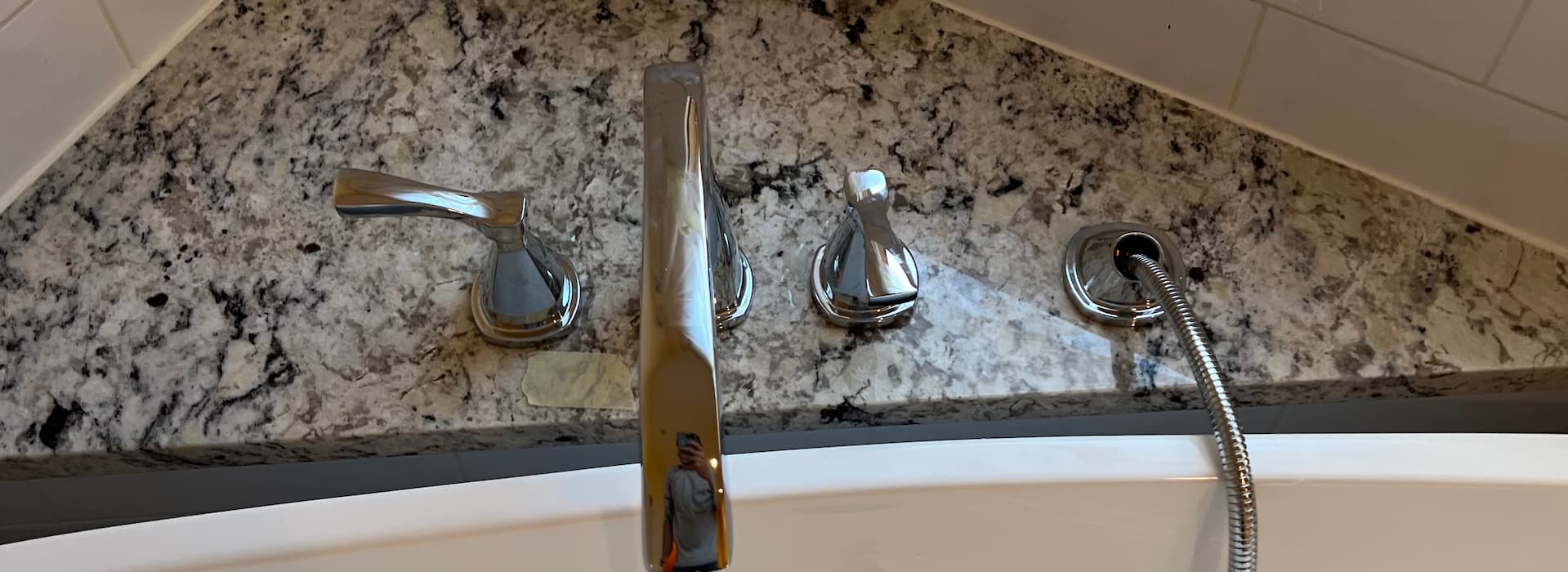
Replacing a bathtub in Northglenn, CO is a detailed plumbing project that requires careful integration with existing systems. The process involves various technical aspects to ensure durability and compliance with local conditions.
- Bathtub installation includes connecting drain lines, reconfiguring water supply, and ensuring proper drainage slope. They address local soil and water characteristics to prevent future issues.
- Cardom Plumbing & Heating evaluates existing plumbing conditions before installation, ensuring all necessary upgrades are made to avoid leaks and damage.
- Their technicians are licensed and experienced, providing detailed estimates and follow-ups to ensure customer satisfaction throughout the installation process.
Bathtub installation in Northglenn, CO, involves more than just replacing the old fixture. It requires a complete plumbing integration project that includes precise measurements, addressing any existing plumbing issues, and ensuring proper sealing to prevent water damage. This process ensures the new bathtub functions effectively and enhances the bathroom's overall design.
Bathtub Installation in Northglenn, CO
That old bathtub has served you well, but the chips, stains, and outdated design are telling you something. Maybe the drain gurgles ominously every time you fill it, or perhaps you've noticed water damage creeping along the baseboards. Whatever brought you here, replacing your bathtub involves far more than swapping one fixture for another – it's a complete plumbing integration project that demands precision.
Bathtub installation encompasses drain line connections, water supply reconfiguration, overflow assembly integration, and proper slope calibration for drainage. In Northglenn's unique environment – where clay-heavy soils shift seasonally and homes range from 1960s ranch-style builds to modern developments – getting these connections right protects your entire bathroom from water damage for decades to come.
Key Benefits of Professional Bathtub Installation
- Proper drain slope and trap configuration that prevents standing water and sewer gas infiltration
- Watertight connections at supply lines, preventing hidden leaks behind walls
- Code-compliant overflow positioning that protects subfloor structures
- Correct support framing that prevents tub flexing and subsequent seal failures
Northglenn's municipal water – sourced primarily from the South Platte River system – carries mineral content that affects fixture longevity and connection integrity. Professional installation accounts for these local water characteristics from the start.
Common Plumbing Issues in Northglenn, CO
Cardom Plumbing & Heating provides Bathtub Installation services in all neighborhoods of Northglenn including Arden Karl's Farm, Fox Run, Heritage at Stone Mountain, Red Hawk Ranch, Regatta, Reserve at Northglenn, and Village at North Hills.
Northglenn's housing stock tells a story through its plumbing. Homes built during the city's initial development boom in the 1960s and 1970s often contain galvanized steel or early copper supply lines that have accumulated decades of mineral deposits. When these aging pipes connect to a new bathtub, the junction points become vulnerable stress areas where corrosion and leaks frequently develop.
The Front Range climate creates specific challenges for bathroom plumbing. Temperature swings of 40 degrees or more within a single day cause pipe expansion and contraction that loosens fittings over time. During Northglenn's cold snaps – when temperatures plunge below zero – exterior wall plumbing faces freeze risks that can crack supply lines and damage drain connections.
Local Factors Affecting Bathtub Plumbing
- Clay-dominant soils that expand and contract seasonally, shifting foundations and stressing drain connections
- Hard water mineral content (averaging 150-200 ppm) that builds deposits inside pipes and around fixture connections
- Aging cast iron drain stacks in older neighborhoods that may require transition fittings for modern PVC connections
- Original polybutylene supply lines in some 1980s-era homes that are prone to sudden failure
- Basement bathroom installations requiring ejector pump integration for proper drainage
- Radiant floor heating systems in some homes that complicate subfloor access during installation
Warning Signs Your Bathtub Needs Replacement
Watch for these indicators that suggest your current tub has reached the end of its service life:
- Persistent slow drainage despite repeated clearing attempts
- Visible rust staining that returns within days of cleaning
- Soft or spongy flooring near the tub base
- Caulk that pulls away repeatedly despite reapplication
- Water stains on ceilings below second-floor bathrooms
- Musty odors that suggest hidden moisture accumulation
How Cardom Plumbing & Heating Can Help
Our bathtub installation process addresses every component that connects your new fixture to your home's plumbing infrastructure. We don't just set a tub in place – we integrate it completely with your existing systems while upgrading connection points that show wear.
Our Installation Process
- Pre-Installation Assessment: We inspect existing supply lines, drain conditions, subfloor integrity, and wall framing to identify any underlying issues before removal begins
- Old Fixture Removal: Careful disconnection and extraction that preserves surrounding tile, flooring, and wall surfaces wherever possible
- Infrastructure Evaluation: Once the old tub is out, we examine exposed pipes, fittings, and structural supports – this reveals hidden problems that weren't visible during initial inspection
- Necessary Upgrades: Replacement of corroded supply valves, deteriorated drain fittings, or damaged subfloor sections before new installation proceeds
- Precise Positioning: Level placement with proper support to prevent flexing, including mortar bed installation for certain tub types
- Connection Integration: Supply line hookup, drain and overflow assembly, and trap configuration with watertight seals at every junction
- Pressure Testing: Full system testing under pressure to verify all connections before any finishing work begins
- Final Inspection: Complete functionality check including fill rate, drainage speed, overflow operation, and leak verification
Techniques and Methods
- Video inspection of existing drain lines to assess condition before connecting new fixtures
- Transition fitting installation when connecting modern PVC to older cast iron or ABS systems
- Expansion fitting installation on supply lines to accommodate temperature-related movement
- Proper venting verification to prevent drainage problems and sewer gas issues
- Waterproof membrane application at tub-to-wall junctions in alcove installations
Throughout the project, we maintain clear communication about what we're finding and any decisions that need your input. You'll know exactly what's happening at each phase and why specific approaches are being recommended for your particular situation.
Why Choose Cardom Plumbing & Heating
Our technicians hold Colorado plumbing licenses and maintain ongoing certification in current installation methods and code requirements. We carry full liability coverage and workers' compensation – protecting your property and giving you peace of mind throughout the installation process. Every bathtub installation we complete meets or exceeds Adams County building code specifications.
Cardom Plumbing & Heating has built relationships throughout Northglenn by showing up when we say we will and finishing what we start. We understand the specific plumbing challenges in neighborhoods from Huron Estates to Northglenn Heights – the pipe materials common in each era of construction, the soil conditions that affect different areas, and the infrastructure quirks that come with properties of various ages.
What Sets Us Apart
- Same-day response availability for urgent bathtub failures causing water damage
- Detailed written estimates that itemize every component and labor phase
- Post-installation follow-up to verify everything is performing as expected
- Workmanship warranty that covers our installation quality
- Digital documentation including photos of completed connections for your records
- Coordination with tile and flooring contractors when bathroom renovations involve multiple trades
We use professional-grade diagnostic equipment including borescope cameras for inspecting drain conditions and electronic leak detection for verifying connection integrity. This technology helps us identify potential problems before they become expensive repairs.
Housing Characteristics & Bathtub Installation Considerations
Northglenn's residential development occurred in distinct waves, each bringing different plumbing configurations and installation challenges. Understanding your home's era helps predict what we'll encounter during bathtub replacement.
Housing Eras and Plumbing Characteristics
- 1960s Original Development: Galvanized steel supply lines, cast iron drain stacks, and often undersized venting. Bathtub alcoves typically measure standard 60-inch lengths with 14-inch rough-in drain positions
- 1970s Expansion Period: Transition to copper supply lines with early plastic drain systems. Some homes feature sunken tubs or non-standard sizes that complicate replacement options
- 1980s Construction: Potential polybutylene supply lines requiring replacement during any fixture work. Standard alcove configurations but occasionally with fiberglass surrounds integrated with tub units
- 1990s and Later: Modern copper or PEX supply systems with PVC drainage. More variety in tub sizes and configurations including corner units and freestanding designs
Structural Considerations by Home Type
Ranch-style homes – the dominant style in older Northglenn neighborhoods – typically feature slab-on-grade construction with drain lines embedded in concrete. Relocating drains in these homes requires concrete cutting and careful reconnection to main sewer lines. Two-story homes present different challenges:
- Second-floor installations require subfloor reinforcement for heavier tub options
- Drain access often runs through first-floor ceilings, affecting repair and replacement approaches
- Supply line runs are longer, requiring attention to pressure and temperature consistency
Basement bathroom installations in Northglenn homes frequently involve ejector pump systems since fixtures sit below the main sewer line elevation. Bathtub installation in these spaces requires pump capacity verification and proper check valve configuration.
Environmental Conditions & Bathtub Installation Implications
Northglenn's semi-arid climate and specific water characteristics directly influence bathtub installation decisions and long-term fixture performance. Understanding these factors helps ensure your new installation provides years of reliable service.
Water Quality Characteristics
The City of Northglenn receives treated water from multiple sources including the South Platte River and various reservoirs. This water carries specific characteristics that affect plumbing fixtures:
- Moderate to high hardness levels (typically 8-12 grains per gallon) that deposit calcium and magnesium on fixtures and inside pipes
- Chloramine disinfection that can accelerate deterioration of certain rubber gaskets and seals
- Seasonal variation in mineral content as source water ratios change throughout the year
- pH levels that remain slightly alkaline, generally protective of copper piping but potentially aggressive toward brass fittings
Climate Impact on Plumbing Systems
Northglenn experiences temperature extremes that stress plumbing connections. Winter lows regularly drop below 10°F, while summer highs exceed 95°F. This 85-plus degree annual range causes:
- Repeated expansion and contraction cycles that loosen threaded connections over time
- Freeze risk for supply lines in exterior walls – a common bathtub placement in ranch homes
- Condensation on cold water pipes during humid summer periods, potentially affecting surrounding materials
Soil and Drainage Factors
The clay-heavy soils prevalent throughout Northglenn expand significantly when wet and shrink during dry periods. This movement affects underground drain lines and can shift foundation elements that support bathroom plumbing. Homes in areas with higher clay content may experience:
- Drain line separation at joints due to soil movement
- Foundation settling that changes drain slopes over time
- Root intrusion in older clay or concrete drain pipes
These environmental factors inform our installation approach – we select appropriate materials, connection methods, and support structures that account for Northglenn's specific conditions.
Northglenn Water Infrastructure & Municipal Systems
Northglenn operates an independent water utility serving approximately 38,000 residents through a distribution system that dates to the city's founding in the early 1960s. The original infrastructure has undergone significant upgrades, but portions of the distribution network – particularly in older residential areas – still contain original pipe materials that influence residential plumbing decisions.
The city's water treatment facility processes an average of 6 million gallons daily, drawing from a combination of surface water sources. Annual water quality reports consistently show compliance with EPA standards, though mineral content remains a factor that homeowners should consider when selecting fixtures and connection materials.
Infrastructure Data Relevant to Bathtub Installation
- Average water pressure in Northglenn residential areas ranges from 50-80 PSI – higher pressures may require pressure-reducing valves during fixture installation
- Approximately 40% of Northglenn's housing stock was built before 1980, meaning many homes contain original plumbing materials now past their expected service life
- The city's sanitary sewer system connects to the Metro Wastewater Reclamation District, with main lines sized for the original development density
- Seasonal water demand peaks during summer months can affect pressure consistency in some neighborhoods
When installing bathtubs in Northglenn homes, these infrastructure realities shape our approach. Older neighborhoods may require supply line upgrades to handle modern fixture flow rates. Drain connections must account for the condition and capacity of existing waste lines. We coordinate with city requirements when any work affects connections to municipal systems, ensuring your installation meets all local specifications while integrating smoothly with Northglenn's water and sewer infrastructure.


