
Bathtub installation in Lakewood, CO addresses the challenges of outdated and damaged fixtures by replacing them with modern units that fit seamlessly into existing plumbing. The process involves careful assessment and installation to ensure long-term performance and compliance with local codes.
- Professional installation requires a thorough evaluation of plumbing conditions and potential underlying issues.
- Lakewood's unique climate and water supply necessitate specific techniques and materials for durability.
- Cardom Plumbing & Heating prioritizes quality and communication throughout the installation process, ensuring customer satisfaction.
Bathtub installation involves replacing old or damaged bathtubs with new, modern units that fit seamlessly into your bathroom's plumbing system. This process addresses issues like cracks, stains, and outdated designs, enhancing both the functionality and aesthetic appeal of your bathroom.
Bathtub Installation in Lakewood, CO
That moment when you step into your bathroom and realize your bathtub has seen better days – cracks along the basin, stubborn stains that no cleaner can touch, or a drain that gurgles ominously every time water flows through. Maybe you're staring at a dated avocado-green tub from the 1970s, wondering how it's still holding water at all. Bathtub installation addresses these frustrations head-on, replacing aging fixtures with modern, efficient units that integrate properly with your home's plumbing infrastructure.
Professional bathtub installation involves far more than simply swapping one tub for another. The process requires precise connection to existing water supply lines, proper drain assembly and P-trap configuration, waterproofing of surrounding walls and subfloor, and verification that your home's plumbing can handle the new fixture's demands. In Lakewood specifically, installers must account for the area's mineral-rich water supply, which affects fitting longevity, and the semi-arid climate's impact on caulking and sealant performance.
Why does professional diagnosis matter before installation begins? Because what appears to be a simple replacement often reveals underlying issues:
- Corroded drain lines hidden beneath the subfloor that need replacement before new installation
- Water damage to floor joists from years of minor leaks around old fixtures
- Outdated supply line materials – such as galvanized steel or polybutylene – requiring upgrades to meet current codes
- Inadequate venting that causes slow drainage and sewer gas concerns
Lakewood's housing stock ranges from mid-century ranch homes to newer construction in developments like Green Mountain and Belmar, each presenting unique plumbing configurations that demand expert assessment before any bathtub project begins.
Common Plumbing Issues in Lakewood, CO
Lakewood sits at approximately 5,500 feet elevation along the Front Range, where temperature swings between day and night can exceed 40 degrees. This thermal cycling stresses plumbing connections, causing joints and seals around bathtub fixtures to expand and contract repeatedly throughout each season. Over time, these micro-movements create gaps where water infiltrates wall cavities and subfloor materials.
The city receives water primarily from Denver Water's system, which draws from mountain snowmelt reservoirs. While generally high-quality, this water carries dissolved minerals that accumulate inside pipes, around drain assemblies, and on fixture surfaces. Homes in older Lakewood neighborhoods – particularly those built before 1980 – often contain original cast iron drain lines that have developed significant interior scaling, restricting flow capacity and contributing to slow bathtub drainage.
Seasonal timing plays a significant role in bathtub installation planning. Winter installations require careful attention to pipe freezing risks when water must be shut off for extended periods. Spring snowmelt can reveal drainage issues that weren't apparent during drier months. Summer provides ideal working conditions but represents peak demand for plumbing services throughout the metro area.
Local Factors Affecting Bathtub Installations
- Clay-heavy soil composition – Foundation settling in many Lakewood neighborhoods shifts plumbing connections over decades, misaligning drain assemblies
- Hard water mineral content – Calcium and magnesium deposits clog aerators, coat drain components, and shorten fixture lifespans
- Elevation-related pressure variations – Higher altitude affects water pressure calculations for proper fixture performance
- Mixed-era plumbing materials – Many homes contain combinations of copper, galvanized, CPVC, and PEX from various renovation periods
- Basement versus slab construction – Access to drain lines differs dramatically based on foundation type common in specific Lakewood subdivisions
- Municipal code requirements – Jefferson County inspection standards for bathroom renovations affecting permit and installation procedures
Warning Signs Indicating Bathtub Replacement Need
Watch for these indicators that your current bathtub requires professional evaluation:
- Persistent leaks appearing on ceilings below second-floor bathrooms
- Soft or spongy flooring near the tub base
- Visible cracks, chips, or surface deterioration that cleaning cannot address
- Drainage that slows progressively despite regular clearing attempts
- Rust stains originating from fixture hardware or drain components
- Caulk lines that separate repeatedly after resealing
How Cardom Plumbing & Heating Can Help
Our bathtub installation process follows a systematic approach designed to identify potential complications before they become costly surprises. Every project begins with thorough assessment and concludes with comprehensive testing.
Our Installation Process
- Initial consultation and measurement – We evaluate your existing bathroom layout, measure rough-in dimensions, assess current plumbing condition, and discuss your preferences for replacement fixtures
- Pre-installation inspection – Before removal begins, we examine supply lines, drain assemblies, venting configuration, and subfloor integrity to identify any necessary repairs
- Careful demolition and removal – Old fixtures are removed methodically, preserving surrounding tile and drywall wherever possible while exposing plumbing connections for evaluation
- Subfloor and drain assessment – With the old tub removed, we inspect for water damage, verify drain line condition, and make any necessary structural or plumbing repairs
- New fixture installation – Your new bathtub is positioned precisely, leveled carefully, and connected to supply and drain lines using appropriate materials for Lakewood's water conditions
- Waterproofing and sealing – All joints receive proper waterproofing treatment, with particular attention to wall-to-tub transitions and drain connections
- System testing and verification – We fill the tub, check all connections under pressure, verify proper drainage flow rates, and confirm no leaks exist before project completion
Techniques and Methods
Our installation approach incorporates methods specifically suited to Colorado conditions:
- Use of flexible supply connections that accommodate thermal expansion without stress cracking
- Application of silicone sealants formulated for low-humidity environments
- Installation of accessible shutoff valves for future maintenance convenience
- Verification of proper drain slope using precision levels
- Pressure testing of all supply connections before wall closure
- Documentation of all work with photographs for homeowner records
Communication Throughout Your Project
You'll receive clear updates at each phase. We explain any unexpected findings immediately, discuss options before proceeding with additional work, and provide detailed information about caring for your new installation. Our team answers questions directly – no confusing technical jargon or vague timelines.
Why Choose Cardom Plumbing & Heating
Cardom Plumbing & Heating brings focused expertise to every Lakewood bathtub installation project. Our technicians hold current Colorado plumbing licenses and maintain ongoing training in fixture installation techniques, water efficiency standards, and local code requirements. We carry comprehensive insurance coverage and pull proper permits for work requiring inspection – protecting your investment and ensuring installations meet all regulatory standards.
Local knowledge matters when working in Lakewood homes. We understand the plumbing quirks common to specific neighborhoods – the galvanized supply lines prevalent in Eiber-area homes, the slab-on-grade construction challenges in Belmar-adjacent developments, and the access constraints typical in Green Mountain split-levels. This familiarity allows us to anticipate issues and prepare appropriate solutions before arriving at your home.
What Sets Us Apart
- Responsive scheduling – We offer appointment windows that respect your time, with clear communication if any delays occur
- Diagnostic thoroughness – Our pre-installation assessments catch problems that less experienced installers might miss until mid-project
- Quality materials – We use commercial-grade fittings, connectors, and sealants rated for long-term performance
- Clean worksite practices – Drop cloths, debris containment, and thorough cleanup are standard – not afterthoughts
- Follow-up accountability – We stand behind our installations and respond promptly if any concerns arise after project completion
Our approach prioritizes doing the job correctly over doing it quickly. While we work efficiently, we never rush through critical steps like waterproofing, connection testing, or proper leveling. The result is an installation that performs reliably for years rather than one that creates callbacks and frustrations.
Recent Work
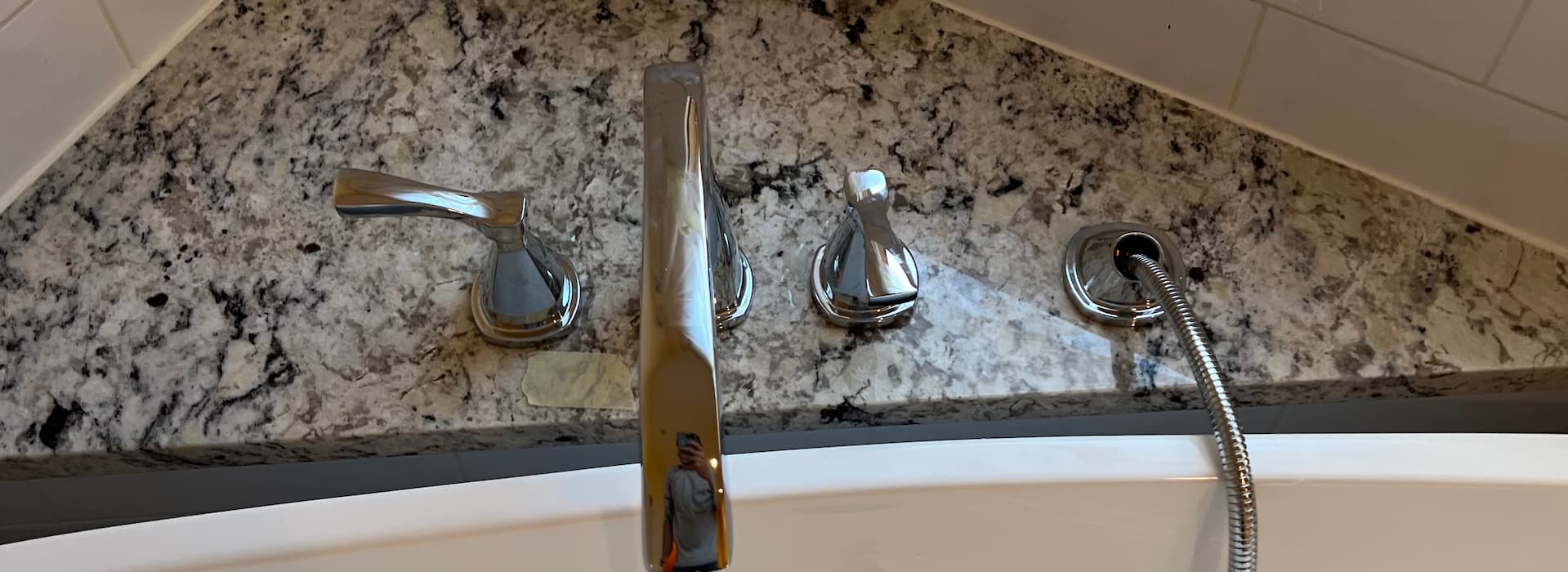
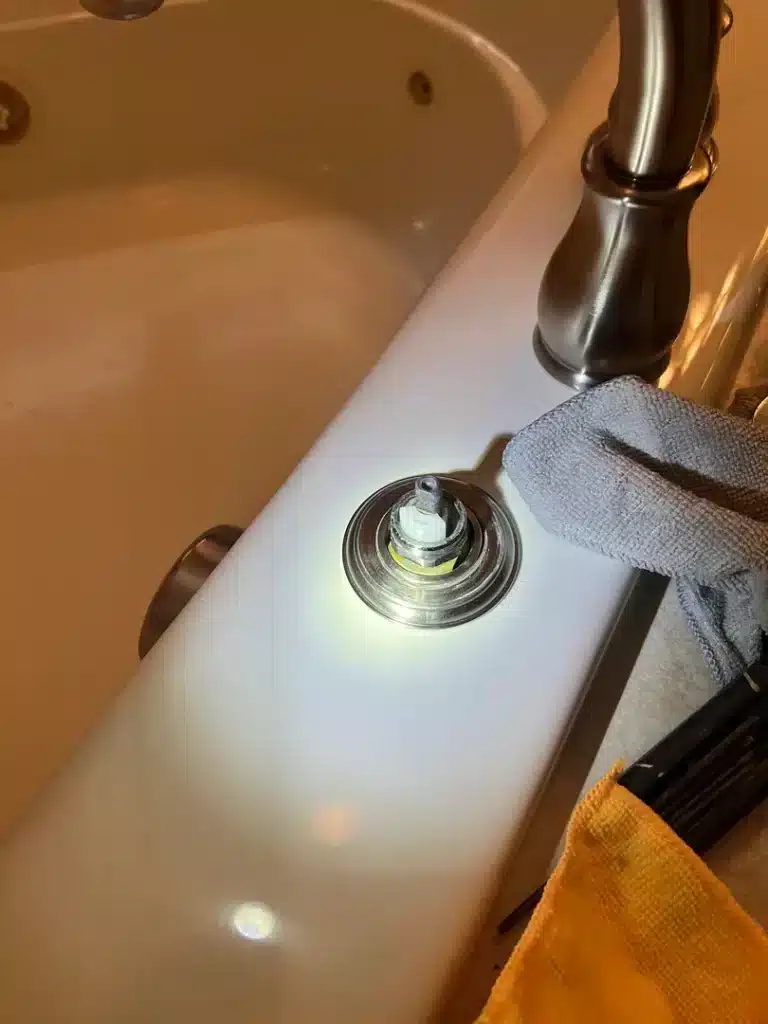
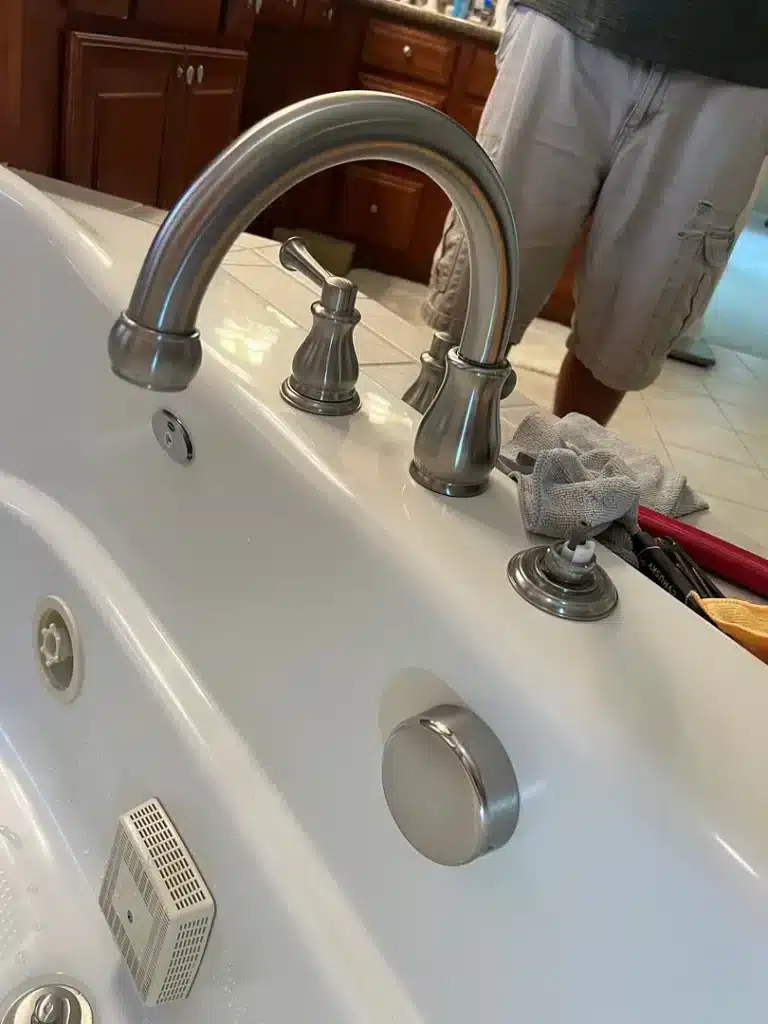
Master Tub in Leaking into the Ceiling Below - Lakewood
- Problem: Leak into the floor below
- Found: Found that the Roman tub faucet hot side cartridge is leaking badly into the kitchen below
- Fixed: Had to go out and find a pair of special Delta cartridges. Installed them and tested
- Outcome: Working properly.
Bathroom Tub is Not Draining - Lakewood
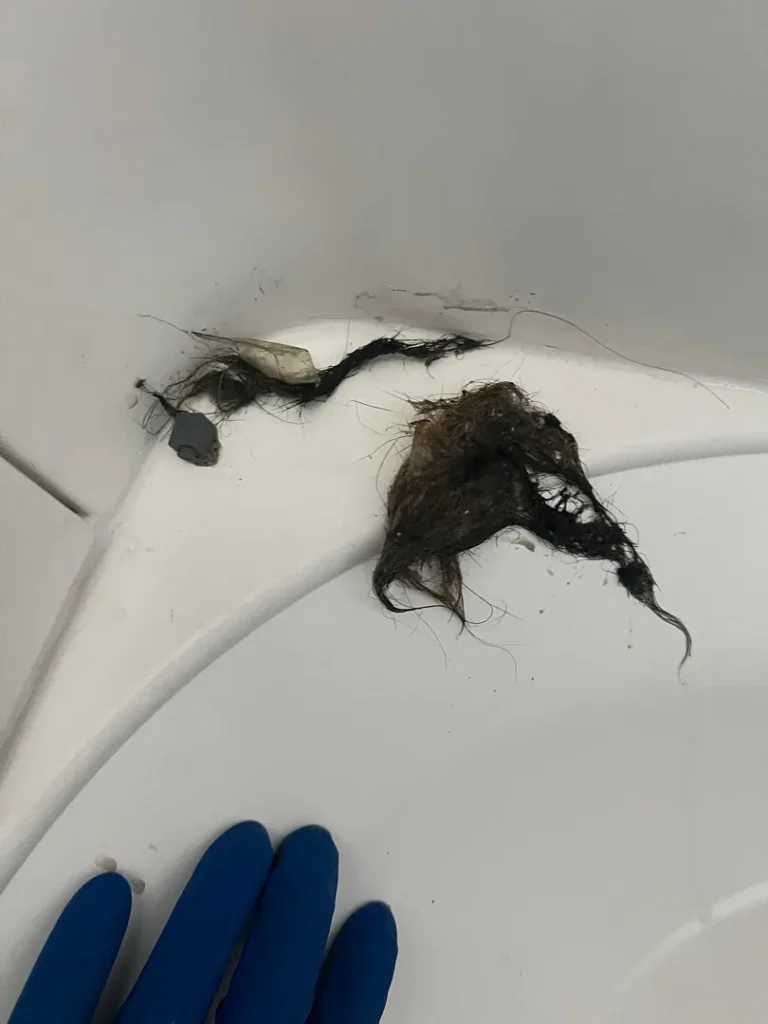
- Problem: Tub not draining
- Found: Ran snake through waste over flow pulled out a hairball and some legos
- Fixed: Ran cable down several times. Pulled out large hairball and two legos. Put the waste and overflow back
- Outcome: Tested several times Jobsite cleanup.
Housing Characteristics & Bathtub Installation Considerations
Lakewood's residential landscape reflects decades of development patterns, each era bringing distinct construction methods and plumbing configurations. Understanding these characteristics helps homeowners anticipate what bathtub installation might involve in their specific property.
Housing Stock by Era
- 1950s-1960s ranch homes – Common in neighborhoods like Morse Park and Mountair, these single-story homes typically feature cast iron drain lines, copper supply pipes, and original tile surrounds that may contain asbestos-containing materials requiring special handling
- 1970s split-levels and bi-levels – Prevalent throughout Green Mountain and Applewood, these homes often have bathrooms on multiple levels with complex drain routing and occasional polybutylene supply lines
- 1980s-1990s two-story construction – Found in developments like Bear Creek and Lakewood Gulch areas, featuring improved drainage systems but sometimes problematic ABS plastic drain lines
- 2000s and newer builds – Modern subdivisions near Belmar and Union Boulevard corridors typically have PEX supply lines, PVC drainage, and easier access for fixture replacement
Construction-Specific Considerations
Basement homes – common in northern Lakewood – provide accessible drain line routing that simplifies installation when modifications are needed. Slab-on-grade construction, more typical in southern areas, requires careful planning since drain relocation involves concrete cutting and significant additional work.
Many Lakewood homes have undergone multiple renovation cycles, creating situations where 1960s drain lines connect to 1990s supply piping and 2010s fixtures. Our installation process accounts for these mixed-material scenarios, using appropriate transition fittings and ensuring compatibility throughout the system.
Common Bathroom Configurations
- Standard alcove installations with three-wall surrounds – most common and typically straightforward to replace
- Corner tub installations requiring specialized fixtures and modified drain positioning
- Freestanding tub conversions demanding supply line relocation and floor drain modifications
- Tub-to-shower conversions involving drain repositioning and valve height adjustments
Environmental Conditions & Bathtub Installation Implications
Lakewood's environmental characteristics directly influence bathtub installation success and long-term fixture performance. From water chemistry to soil conditions, these factors shape our installation approach.
Water Quality Characteristics
Denver Water supplies most Lakewood residences, delivering water that originates as Rocky Mountain snowmelt. While this source provides generally excellent quality, the water contains dissolved minerals that affect plumbing systems:
- Hardness levels – Averaging 50-100 mg/L calcium carbonate, sufficient to cause mineral buildup on fixtures and inside drain assemblies over time
- pH balance – Slightly alkaline water that interacts with certain metals, particularly affecting brass drain components
- Chlorine treatment – Residual chlorine can degrade rubber gaskets and seals faster than in non-chlorinated systems
We select installation materials specifically suited to these water characteristics – using fixtures with appropriate finish coatings and drain components resistant to mineral accumulation.
Soil and Drainage Effects
Lakewood's soil composition varies significantly by neighborhood. Areas near the foothills contain rocky, well-draining soil, while eastern sections feature heavy clay that expands when wet and contracts during dry periods. This clay movement contributes to foundation settling that gradually shifts plumbing connections.
Underground sewer lines in older neighborhoods may have experienced root intrusion or joint separation due to soil movement. When installing new bathtubs, we verify that downstream drainage functions properly – a new fixture connected to a compromised drain line will develop problems regardless of installation quality.
Climate Impacts on Plumbing Systems
- Low humidity – Lakewood's semi-arid climate causes caulk and sealant to cure differently than in humid regions, requiring products formulated for dry conditions
- Temperature extremes – Winter lows below zero and summer highs above 95°F stress pipe connections and fixture materials through repeated expansion cycles
- Rapid weather changes – Temperature swings of 50+ degrees within 24 hours – common during spring and fall – create condensation concerns in poorly insulated bathroom spaces
- UV exposure – Strong Colorado sunlight degrades certain plastics and sealants in bathrooms with skylights or large windows
These environmental factors inform every material selection and installation technique we employ, ensuring your new bathtub performs reliably despite Lakewood's demanding conditions.
Lakewood Water Infrastructure & Plumbing System Data
Understanding Lakewood's water infrastructure provides valuable context for bathtub installation projects. The city's plumbing landscape reflects both its development history and ongoing municipal improvements.
Municipal Water System Overview
Lakewood receives water service primarily through Denver Water, one of the nation's largest water utilities serving over 1.5 million people across the metro area. The distribution system includes:
- Over 3,000 miles of water mains throughout the service area
- Storage reservoirs and treatment facilities maintaining consistent pressure and quality
- Regular infrastructure replacement programs targeting aging pipe sections
- Water quality testing exceeding EPA requirements with results published annually
Denver Water's 2023 water quality report confirmed compliance with all federal and state drinking water standards, with lead and copper levels well below action thresholds. However, individual home plumbing – particularly in pre-1986 construction – may contain lead solder or fixtures that require consideration during renovation projects.
Infrastructure Age and Condition
Lakewood's development timeline means significant portions of residential plumbing date to specific eras with characteristic materials and conditions:
- Pre-1960 installations – Likely original galvanized steel supply lines with substantial interior corrosion reducing flow capacity
- 1960-1975 construction – Mix of copper and early plastic materials, with cast iron drain lines approaching or exceeding expected service life
- 1975-1995 builds – Possible polybutylene supply piping – a material prone to failure that many insurers require replacement
- Post-1995 homes – Generally modern materials with longer remaining service life
Relevance to Bathtub Installation
This infrastructure data directly impacts installation planning. Homes with aging supply lines may benefit from upgrading connections during bathtub replacement rather than connecting new fixtures to deteriorating pipes. Similarly, properties with cast iron drain lines approaching 60+ years of service warrant inspection before installation proceeds – identifying problems before walls are closed prevents far more expensive repairs later.
Jefferson County permit requirements for bathroom renovations include inspection of certain plumbing modifications, ensuring installations meet current codes regardless of original construction standards. We navigate these requirements as part of our standard process, securing necessary approvals and scheduling inspections appropriately.


