
Bathtub installation in Boulder, CO involves addressing unique local challenges that go beyond simple fixture replacement. Professionals must assess plumbing conditions, ensure proper fitting, and comply with building codes to guarantee a successful installation.
- Boulder’s varied housing stock requires tailored installation techniques for different plumbing systems. Proper drainage slope and sealing are essential to prevent water damage and ensure functionality. Local expertise is vital due to environmental factors like hard water and temperature fluctuations affecting plumbing performance.
- Bathtub installation in Boulder presents unique challenges that go far beyond simply swapping one fixture for another.
- A proper bathtub installation involves careful assessment of your existing plumbing infrastructure, precise measurements to ensure proper fit within your bathroom space, and expert connection to both water supply and drainage systems.
Bathtub installation in Boulder, CO involves more than just replacing an old fixture. It requires addressing unique challenges such as plumbing adjustments, ensuring proper waterproofing, and complying with local building codes. Professionals must assess the bathroom layout and select suitable materials to guarantee a successful and durable installation.
Bathtub Installation in Boulder, CO
That moment when you step into your bathroom and realize your old bathtub has finally given up – cracks spreading across the basin, stubborn stains that no amount of scrubbing removes, or water pooling where it shouldn't – signals it's time for a professional replacement. Bathtub installation in Boulder presents unique challenges that go far beyond simply swapping one fixture for another.
A proper bathtub installation involves careful assessment of your existing plumbing infrastructure, precise measurements to ensure proper fit within your bathroom space, and expert connection to both water supply and drainage systems. The process requires understanding of local building codes, proper slope calculations for drainage, secure mounting to prevent shifting, and watertight sealing to protect surrounding structures from moisture damage.
Professional plumbing diagnosis before installation matters because Boulder's housing stock varies dramatically – from historic homes near Pearl Street with original cast iron plumbing to newer construction in Gunbarrel with modern PEX systems. Each scenario demands different approaches, fittings, and installation techniques.
- Proper drainage slope verification prevents standing water and bacterial growth
- Correct supply line sizing maintains consistent water pressure and temperature
- Professional sealing protects subfloors and framing from costly water damage
- Code-compliant installation passes inspection and preserves home value
Boulder's semi-arid climate, mineral-rich water supply, and dramatic temperature swings all influence how bathtub installations perform over time – making local expertise invaluable for long-lasting results.
Common Plumbing Issues in Boulder, CO
Boulder's geographic location at 5,430 feet elevation creates plumbing conditions you won't find in most other cities. The combination of hard water from snowmelt sources, aging infrastructure in established neighborhoods, and extreme temperature fluctuations between seasons all contribute to bathtub-related problems that demand attention.
Mineral deposits from Boulder's water supply accumulate around drain fittings and supply connections, eventually compromising seals and creating leak points. Homes built during Boulder's population booms in the 1960s and 1970s often feature galvanized steel drain lines that have corroded significantly, making new bathtub connections problematic without addressing underlying pipe conditions.
Seasonal timing plays a major role in bathtub installation planning. Winter installations require careful attention to freeze protection during the work process, while spring snowmelt can reveal drainage issues that weren't apparent during drier months. Summer provides optimal working conditions, though contractor schedules fill quickly during peak renovation season.
Local Factors Affecting Bathtub Installations
- Hard water with high mineral content – causes buildup around fixtures and accelerates wear on seals and gaskets
- Temperature extremes ranging from below zero to 90+ degrees – creates expansion and contraction stress on plumbing connections
- Older homes in Mapleton Hill, Whittier, and University Hill – often have undersized drain lines and outdated venting systems
- High altitude affecting water pressure – requires proper pressure regulation to prevent fixture damage
- Clay-heavy soils in many neighborhoods – can shift and stress underground drain connections
- Strict building codes – Boulder's energy and water conservation requirements influence fixture selection and installation methods
Warning Signs Your Bathtub Needs Replacement
- Visible cracks or chips that expose underlying material to moisture
- Persistent staining that doesn't respond to cleaning – indicates surface deterioration
- Soft or spongy flooring near the tub – suggests hidden water damage
- Slow drainage despite clearing the drain – may indicate improper slope or venting issues
- Rust stains appearing around drain or overflow – signals corrosion in metal components
Recent Work
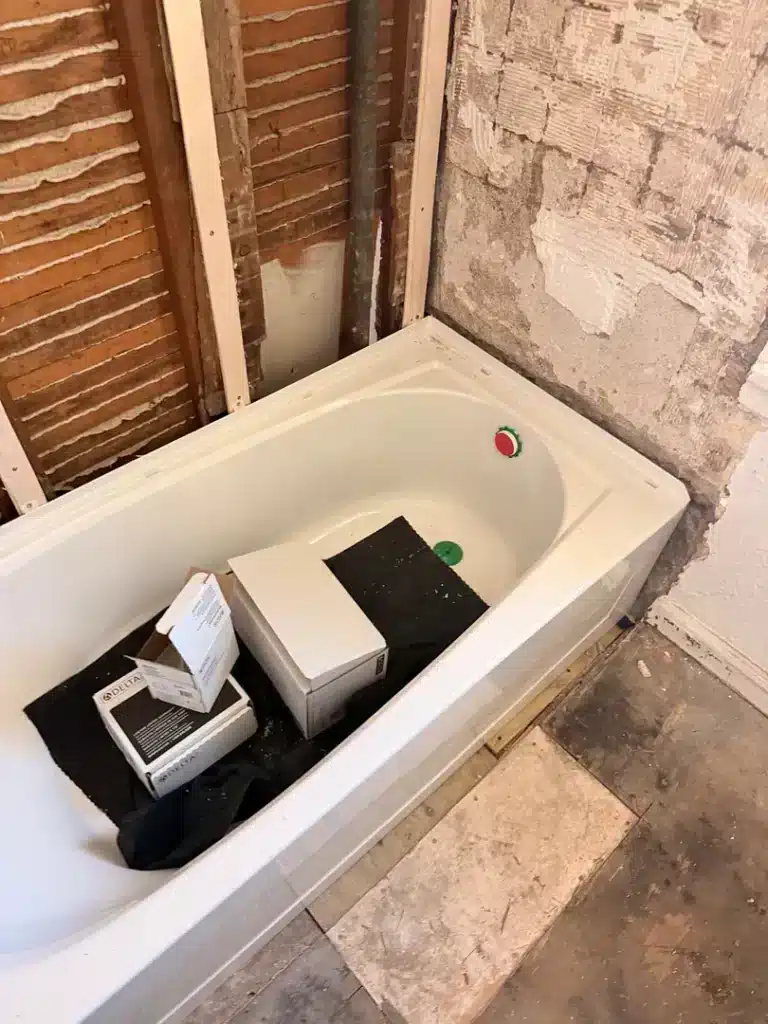
Remodel Master bath - Boulder
- Problem: Bath remodel project.
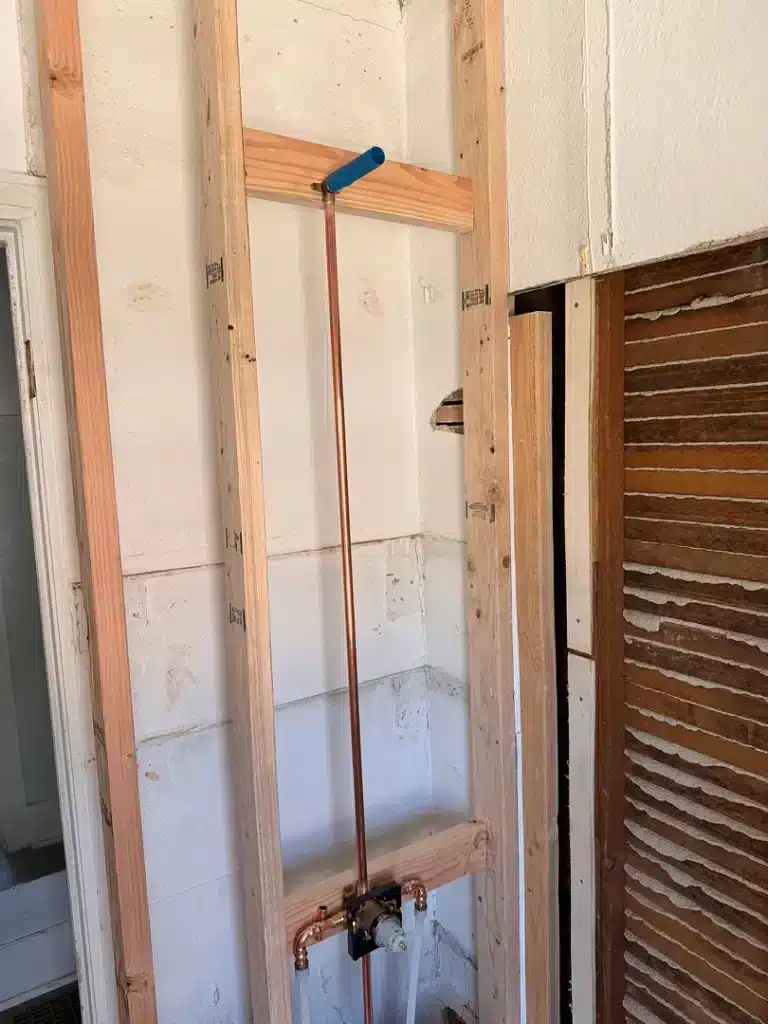
- Found: Rough-in for complete bath remodel.
- Fixed: Made list of all rough-in materials, tub/shower valve, tub, and lavatory faucet. Went out and picked up the materials while the other plumber removed all the existing fixtures and faucets. Layout plumbing for new bath and re-location of the new tub/shower valve. Ran new water waste and vent for the tub and tub/shower valve. Set tub and set in a bag a mortar to properly bed the acrylic right-hand tub. Turned on the water and tested all new plumbing.
- Outcome: Jobsite cleanup of all tash generated by our plumbers.
How Cardom Plumbing & Heating Can Help
Our bathtub installation process follows a systematic approach developed through years of working in Boulder-area homes. We've refined our methods to address the specific challenges this region presents – from navigating tight bathroom spaces in older bungalows to ensuring proper drainage in newer hillside construction.
Our Step-by-Step Installation Process
- Initial Assessment – We evaluate your existing bathroom layout, measure precisely, and inspect current plumbing connections to identify any underlying issues before work begins
- Plumbing Infrastructure Review – Our technicians examine drain line condition, supply line sizing, and venting adequacy to determine if upgrades are needed
- Preparation and Protection – We protect surrounding areas, shut off water supply, and carefully remove the existing tub while preserving usable components
- Subfloor and Framing Inspection – Before installing the new unit, we check for water damage, rot, or structural concerns that need addressing
- New Tub Positioning and Leveling – Precise placement ensures proper drainage slope and secure mounting to prevent future movement
- Drain and Overflow Connection – We install new drain assemblies with proper slope and watertight connections to the existing drain system
- Supply Line Connection – Faucet and valve connections are made with appropriate fittings for your home's pipe material
- Sealing and Finishing – Waterproof caulking and trim work complete the installation and protect against moisture intrusion
- Testing and Verification – We fill the tub, check all connections under pressure, verify drainage speed, and confirm everything functions properly
Techniques and Methods We Use
- Video inspection of drain lines when corrosion or blockages are suspected
- Pressure testing of supply connections before closing up walls
- Moisture meters to verify subfloor condition before and after installation
- Proper mortar bed or foam support for acrylic and fiberglass units
- Expansion-compatible fittings to accommodate temperature-related pipe movement
Throughout the project, we maintain clear communication about progress, any unexpected findings, and timeline adjustments. Our technicians explain what they're doing and why – you'll understand exactly what's happening in your home.
Why Choose Cardom Plumbing & Heating
Cardom Plumbing & Heating brings licensed, insured expertise to every bathtub installation in Boulder. Our technicians hold Colorado plumbing licenses and maintain current certifications in modern installation techniques. We're familiar with Boulder's specific building codes and inspection requirements – installations we complete pass inspection the first time.
Local knowledge matters when it comes to plumbing. We understand which Boulder neighborhoods have galvanized drain lines approaching end-of-life, where clay soil movement creates stress on underground connections, and how altitude affects water pressure throughout the city. This familiarity allows us to anticipate problems before they become expensive surprises mid-project.
What Sets Us Apart
- Responsive scheduling with same-week availability for assessments
- Upfront pricing provided before work begins – no surprise charges
- Workmanship backed by written guarantees
- Post-installation follow-up to confirm everything performs as expected
- Clean job sites – we protect your home and clean up thoroughly
Our diagnostic approach uses current technology – including video inspection equipment and electronic leak detection – to identify hidden issues that could compromise your new installation. We'd rather find problems during assessment than discover them after your new bathtub is in place. This thorough approach saves time, money, and frustration for Boulder homeowners who want their bathtub installation done right the first time.
Housing Characteristics & Bathtub Installation Considerations
Boulder's housing stock reflects the city's evolution from a small mountain town to a thriving community of over 100,000 residents. Each era of construction brings distinct plumbing characteristics that influence bathtub installation approaches.
Historic Homes (Pre-1950)
Properties in neighborhoods like Mapleton Hill and parts of downtown often feature original cast iron drain systems and may have limited bathroom space designed around smaller fixtures from that era.
- Narrow doorways may require careful maneuvering or even tub selection based on access
- Cast iron drains typically remain functional but may need transition fittings for modern connections
- Plaster walls require different mounting approaches than modern drywall
- Original floor joists may need reinforcement for heavier modern tubs
Mid-Century Construction (1950-1980)
Boulder's significant growth during this period produced many homes in Table Mesa, Martin Acres, and similar neighborhoods. These properties commonly feature galvanized steel drain lines – now reaching or exceeding their expected lifespan.
- Galvanized pipes often show internal corrosion affecting drainage flow
- Original builder-grade tubs frequently were minimal quality installations
- Venting systems may not meet current code requirements
Modern Construction (1990-Present)
Newer homes in areas like Gunbarrel, North Boulder, and recent developments typically feature PVC drain systems and PEX or copper supply lines. While these materials simplify connections, installation still requires attention to proper support and sealing.
- Larger master bathrooms accommodate soaking tubs and specialty installations
- Modern energy codes may require specific fixture efficiency ratings
- Open floor plans sometimes mean longer supply runs requiring pressure consideration
Environmental Conditions & Bathtub Installation Implications
Boulder's environment creates specific conditions that directly affect plumbing system performance and longevity. Understanding these factors helps ensure bathtub installations that perform well for decades.
Water Quality Characteristics
Boulder's water supply – sourced primarily from Boulder Creek, Barker Reservoir, and supplemental sources – carries moderate to high mineral content. The city's water treatment addresses safety concerns but doesn't eliminate hardness that affects plumbing fixtures.
- Calcium and magnesium deposits accumulate around drain fittings and faucet connections
- Mineral buildup can compromise rubber seals and gaskets over time
- Water heater sediment affects hot water delivery to bathroom fixtures
- Homes without water softeners experience faster fixture wear
Climate Impacts on Plumbing Systems
Boulder experiences temperature swings that stress plumbing connections. Winter nights dropping below zero followed by sunny days reaching 50 degrees create expansion and contraction cycles that test every joint and seal.
- Supply lines in exterior walls face freeze risk without proper insulation
- Thermal movement requires flexible connections at certain points
- Rapid temperature changes can crack rigid sealants – flexible caulks perform better
- Dry winter air can shrink wooden framing, affecting tub mounting stability
Soil and Drainage Considerations
Boulder's geology includes significant clay content in many areas, particularly in lower elevations and near creek drainages. Clay soils expand when wet and contract when dry, creating ground movement that affects underground plumbing.
- Drain line connections to main sewer can experience stress from soil movement
- Homes on hillsides may have complex drainage routing requiring careful connection
- Flood-prone areas near Boulder Creek require backflow prevention consideration
Water Infrastructure and Building Permit Data in Boulder
Boulder maintains one of Colorado's most comprehensive water quality monitoring programs, with the city's water utility publishing detailed annual reports. The municipal water system serves approximately 115,000 customers through over 400 miles of distribution pipes – infrastructure ranging from recently installed mains to lines dating back several decades. This variation in infrastructure age means homes in different neighborhoods connect to systems with very different characteristics.
Building permit data from Boulder's Planning and Development Services reveals consistent bathroom renovation activity throughout the city. Bathtub and shower installations require permits when involving plumbing modifications, and the city enforces the 2021 International Plumbing Code with local amendments. Inspections verify proper drain connections, adequate venting, and code-compliant fixture installation – requirements that protect homeowners from substandard work.
Relevant Local Statistics
- Boulder's water hardness averages 120-180 mg/L – classified as moderately hard to hard
- Average water pressure in the distribution system runs 60-80 PSI – some homes require pressure regulation
- Approximately 35% of Boulder's housing stock was built before 1970 – likely featuring original plumbing systems
- The city processes hundreds of plumbing permits annually for residential bathroom projects
- Water conservation rebates are available for qualifying high-efficiency fixtures
These infrastructure realities directly influence bathtub installation planning. Homes connected to older water mains may experience pressure fluctuations requiring consideration during fixture selection. Properties in areas with aging sewer infrastructure benefit from drain line inspection before committing to new installations. Understanding Boulder's specific water characteristics and permit requirements helps ensure installations that meet both code standards and homeowner expectations for long-term performance.
>


