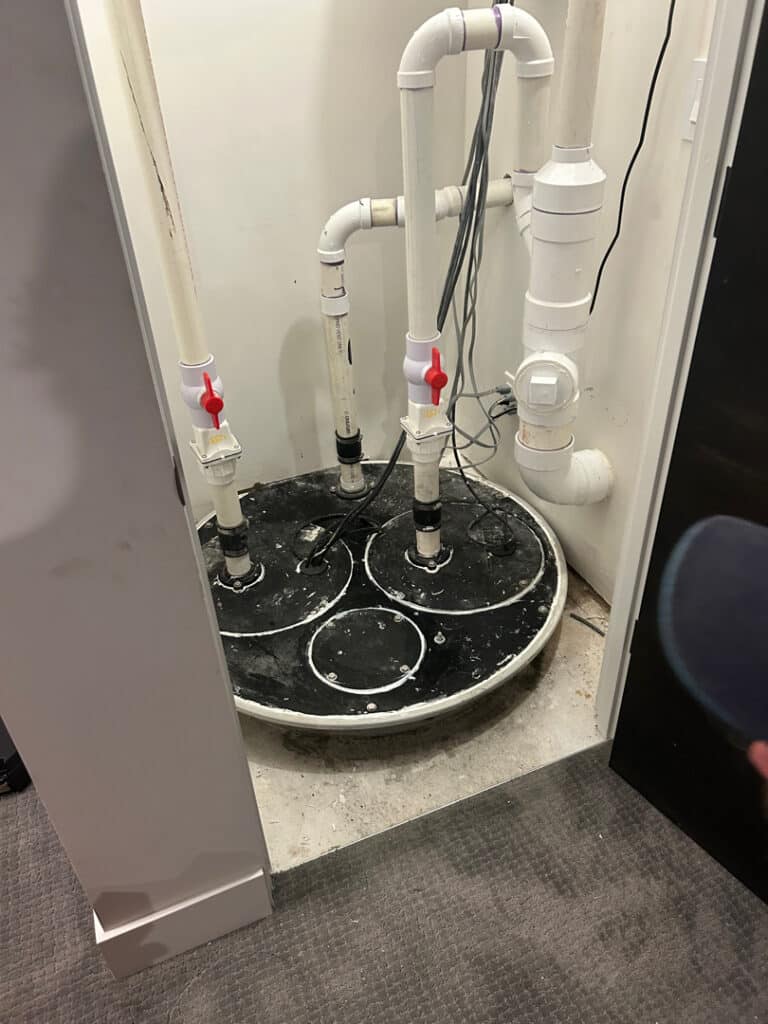
Sewage ejector pumps are essential for homes in Boulder with below-grade plumbing, as they manage wastewater effectively. When these systems fail, they can cause significant issues, making prompt professional service necessary.
Sewage ejector pumps collect wastewater from below-grade fixtures and eject it into the sewer system. They require specialized components to handle solid waste, unlike standard sump pumps.
Boulder's unique conditions, such as high mineral content and seasonal groundwater fluctuations, can complicate ejector pump performance and maintenance.
Cardom Plumbing & Heating offers thorough diagnostic and repair services, ensuring proper function and longevity of ejector systems tailored to local conditions.
What is a sewage ejector pump?
A sewage ejector pump is a device used in homes with below-grade plumbing fixtures, such as bathrooms or laundry rooms, to move wastewater up to the main sewer line. It prevents sewage backup by pumping waste away from lower areas, ensuring proper drainage and sanitation in the home.
Sewage Ejector Pump Services in Boulder, CO
That unmistakable sewage smell creeping up from your basement or the alarming sound of a pump struggling to cycle – these moments demand immediate attention. Sewage ejector pumps serve as the unsung workhorses in Boulder homes with below-grade bathrooms, laundry rooms, or any plumbing fixtures positioned beneath the main sewer line. When these systems fail, wastewater has nowhere to go but back into your living space.
A sewage ejector pump collects wastewater from fixtures located below your home's main drain line and forcefully ejects it upward into the municipal sewer system or septic tank. Unlike standard sump pumps that handle groundwater, ejector pumps manage solid waste and require specialized components – sealed basins, vent systems, and heavy-duty impellers designed to process household sewage without clogging.
Professional diagnosis matters tremendously with these systems because multiple components can fail independently. A malfunctioning float switch might mimic a dead motor. A blocked vent pipe can cause the same backup symptoms as a failed check valve. Boulder's unique conditions add complexity to the equation:
High mineral content in local water accelerates component wear and scale buildup
Seasonal groundwater fluctuations from mountain snowmelt stress pump seals
Older homes in established neighborhoods often have undersized or outdated ejector systems
Temperature swings between seasons affect basement humidity and pump performance
Cardom Plumbing & Heating provides Sewage Ejector Pump services in all neighborhoods of Boulder including Arapahoe Ridge, Dakota Ridge, East Aurora, Frazier Meadows, Goss-Grove, Holiday, Keewaydin, Martin Acres, Meadow Glen, Park East, Promontory North, Table Mesa, The Hill, The Promontory, Washington Village, and Wonderland Hills.
Boulder sits at 5,430 feet elevation where atmospheric pressure differences affect pump performance compared to sea-level specifications. Manufacturers rate most ejector pumps for standard conditions, meaning Boulder installations sometimes operate at reduced efficiency from day one. Combined with the city's aging infrastructure in neighborhoods like Mapleton Hill and University Hill – where homes date back to the early 1900s – ejector pump systems face challenges rarely encountered elsewhere.
The Front Range's dramatic seasonal shifts create a punishing cycle for basement plumbing systems. Spring snowmelt saturates soils and raises water tables, forcing ejector pumps to work harder against increased groundwater pressure. Winter brings freezing risks to vent pipes and discharge lines, while summer thunderstorms can overwhelm systems with sudden high-volume demands.
Local Factors Affecting Ejector Pump Performance
Hard water deposits: Boulder's water contains calcium and magnesium that coat pump impellers, reducing flow capacity over time
Clay-heavy soils: Poor drainage around foundations increases hydrostatic pressure on ejector basins
Vintage plumbing connections: Older cast iron or clay tile connections corrode and restrict flow
Basement finishing trends: Many Boulder homeowners add bathrooms to converted basements, overtaxing original ejector capacity
Power fluctuations: Mountain storms cause outages that leave ejector systems vulnerable to backup
Root intrusion: Mature trees throughout Boulder's established neighborhoods send roots into discharge lines
Warning Signs Requiring Attention
Watch for these indicators that your ejector pump needs professional evaluation:
Sewage odors in basement areas – even faint smells indicate venting or seal problems
Pump cycling more frequently than usual or running continuously
Gurgling sounds from basement drains or toilets
Visible water or moisture around the ejector basin
Slow drainage from below-grade fixtures
Unusual vibrations or grinding noises during pump operation
Sewage ejector pump service requires methodical diagnosis before any repair or replacement work begins. Cardom Plumbing & Heating follows a systematic approach that identifies root causes rather than just treating symptoms.
Our Diagnostic and Repair Process
Initial assessment: We evaluate the entire ejector system – basin condition, pump age, electrical connections, vent configuration, and discharge routing
Functional testing: Running the pump through cycles while monitoring amp draw, flow rate, and switch activation reveals performance issues
Video inspection: Camera examination of discharge lines identifies blockages, root intrusion, or pipe deterioration
Component evaluation: Check valves, float switches, and seals receive individual inspection for wear or failure
Repair or replacement recommendation: Based on findings, we provide options ranging from component repair to full system upgrade
Installation and testing: All work includes comprehensive testing under actual load conditions
Documentation: You receive detailed information about your system for future reference
Techniques and Methods We Employ
Hydrostatic pressure testing to verify basin and seal integrity
Electrical load analysis to confirm proper motor function
Vent stack inspection and clearing for proper air flow
Discharge line cleaning using professional-grade equipment
Check valve replacement with high-quality brass or stainless components
Basin cleaning and sanitization during service visits
Communication remains constant throughout the process. Before beginning work, you'll understand exactly what we've found and what options exist. During installation or repair, we explain each step and answer questions. After completion, we walk you through proper system operation and maintenance practices specific to Boulder's conditions.
Recent Work
Sewer Line Replacement - Boulder
Problem:Deposit for sewer line replacement
Found:Old sewer line.
Fixed:Installatio of the entire drain system in the crapwlspace.
Outcome:Test all new piping and no leaks. Water in ditch receded after line was replaced. Backfilled ditch and cleaned up jobsite.
Sewer backing up in home - Boulder
Problem:Backed up sewer main
Found:Find out why sewer is backing up in home and clear line if possible.
Fixed:Run cable 3 times and it wasn’t until the 2nd time that I pulled back a small root ball. I then switched to a bigger root cutting head, and ran again and was able to open the sewer all the way up. I ran all sinks and toilets inside while snaking it one additional time to push eveything to the main.
Outcome:Tested for 15 minutes with no issues found.
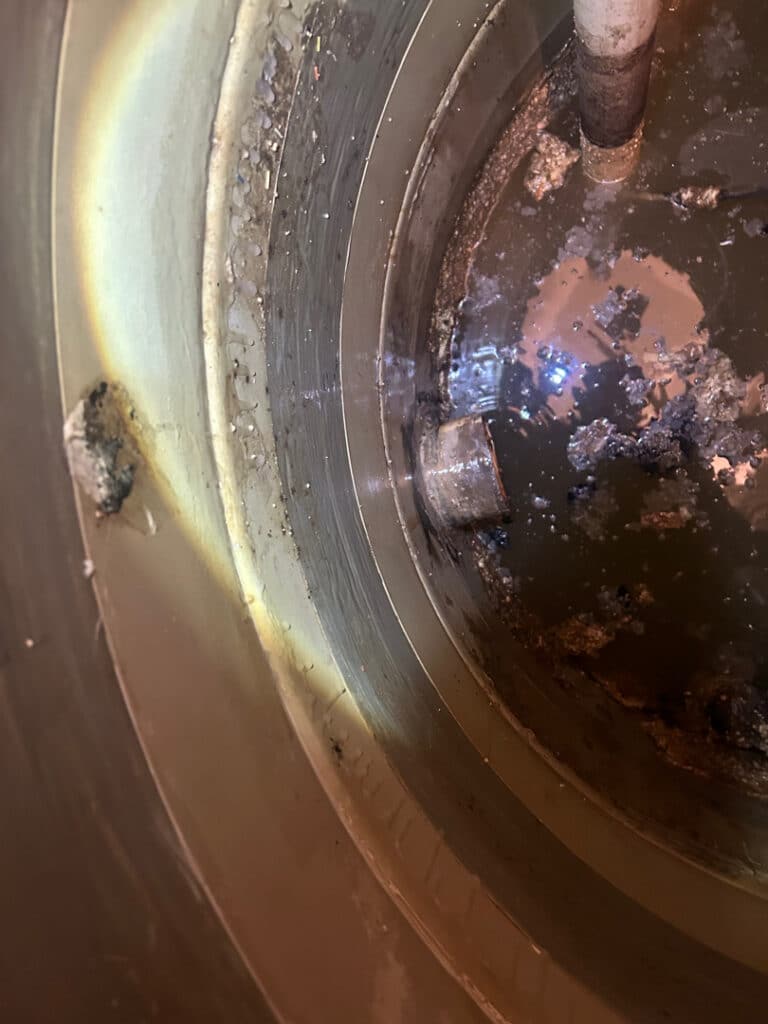
Seal Up Sewage Ejector So it Does Not Leak - Boulder
Problem:Pull lid on sewage ejector and seal inside where the waste line enters the pit
Found:Found extension rings on the old ejector pit. They had settled to one side.
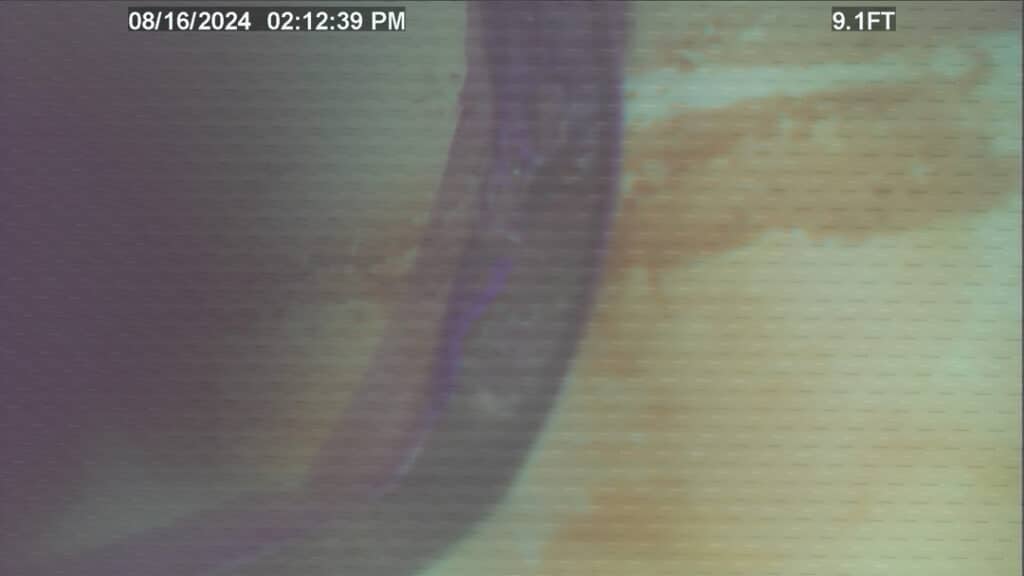
Fixed:Picked up some two part epoxy to fill the gap. Put camera down the line to inspect the line coming into the pit. It is not perfect but it is not broken at all. It appears that the pit is not bedded properly and is sinking which may be causing the riser pieces to separate. WE applied the epoxy generously and sealed all gaps that we could see. Reinstalled the lid and bolted it down. Sealed with silicone.
Outcome:Tested and no leak
Why Choose Cardom Plumbing & Heating
Sewage ejector pump work demands technicians who understand both the mechanical systems and the local conditions affecting them. Cardom Plumbing & Heating brings licensed, insured professionals to every job – not subcontractors or apprentices working unsupervised. Our team holds current certifications and participates in ongoing training as pump technology evolves.
Local knowledge separates adequate service from excellent service. We've worked in Boulder neighborhoods for years, developing familiarity with common installation configurations, problematic soil conditions in specific areas, and the quirks of older plumbing systems throughout the city. When a technician arrives at your home, they likely have experience with similar systems nearby.
What Sets Us Apart
Responsive scheduling: Ejector pump failures can't wait – we prioritize these calls and offer emergency availability
Transparent pricing: Written estimates before work begins with no surprise charges
Quality components: We install commercial-grade pumps and parts designed for longevity
Warranty support: Our work is backed by meaningful guarantees, and we honor manufacturer warranties
Follow-up service: We check in after major installations to confirm proper operation
Modern diagnostic equipment allows us to pinpoint problems quickly and accurately. Video inspection cameras, electrical testing tools, and flow measurement devices eliminate guesswork. You get precise answers about what's wrong and what it takes to fix it – not vague estimates or unnecessary replacements.
Boulder's housing stock reflects over a century of construction practices, each era presenting distinct ejector pump considerations. Homes built before 1950 in neighborhoods like Whittier and Newlands often feature original cast iron waste lines and may have ejector systems added decades after initial construction. These retrofitted installations sometimes compromise on basin size or pump capacity due to space constraints.
Housing Age and Ejector System Implications
Pre-1940 homes: Often lack dedicated ejector systems; basement plumbing additions require complete new installations
1950s-1970s construction: May have original ejector pumps nearing or exceeding typical 20-30 year lifespan
1980s-1990s builds: Commonly feature builder-grade pumps that benefit from upgrade to higher-capacity units
2000s and newer: Generally have modern systems but may be undersized for finished basement additions
Boulder's hillside properties present unique challenges. Homes in Chautauqua, Flagstaff, and the western foothills often require pumps with greater head pressure capacity to push waste uphill to sewer connections. Standard residential pumps rated for 10-15 feet of vertical lift may prove inadequate for these installations.
Foundation Types and Basin Placement
The predominant foundation styles in Boulder affect ejector pump installation options:
Full basements: Most common in older areas, allowing traditional basin installations with adequate access
Walkout basements: Popular in hillside construction, often requiring pumps only for interior bathroom fixtures
Slab-on-grade: Found in newer developments, requiring saw-cut installation if below-grade fixtures are added
Crawl spaces: Limit access and may require specialized low-profile ejector systems
Boulder's municipal water supply originates from mountain watersheds, processed through treatment facilities that address natural mineral content. The resulting water hardness – typically measuring between 50-120 parts per million – causes gradite scale accumulation inside ejector pump components. Over years of operation, this buildup reduces impeller efficiency and strains motors.
Water Quality Factors
Calcium carbonate deposits form on pump internals and check valve seats
Seasonal variations in source water affect mineral concentration
Water softener discharge can accelerate certain types of corrosion if routed through ejector systems
Soil composition throughout Boulder varies significantly but generally includes substantial clay content, particularly in the eastern portions of the city. Clay soils retain moisture and create high hydrostatic pressure against basement walls and floors. This pressure stresses ejector basin seals and can force groundwater infiltration into systems designed only for sewage.
Climate Impacts on Ejector Systems
Boulder experiences temperature extremes that affect ejector pump operation throughout the year:
Winter freezing: Vent pipes extending through roofs can ice over, blocking necessary air flow and causing slow drainage or pump strain
Spring snowmelt: Rapid ground saturation raises water tables, increasing pressure on basin seals and potentially overwhelming systems
Summer storms: Intense rainfall events common along the Front Range can flood basements faster than ejector pumps can evacuate water
Fall temperature drops: Condensation in unheated basement areas accelerates corrosion on pump housings and electrical connections
The 2013 Boulder flood demonstrated how quickly drainage systems can become overwhelmed. While ejector pumps aren't designed for flood mitigation, properly functioning systems with battery backup provide critical protection during weather events that stress municipal infrastructure.
Boulder Sewer Infrastructure and Basement Plumbing Data
Boulder's sewer system serves approximately 105,000 residents through a network maintained by the City of Boulder Public Works Department. Portions of this infrastructure date to the early 20th century, with ongoing rehabilitation projects addressing aging clay tile and concrete pipes throughout established neighborhoods. The city processes roughly 8 million gallons of wastewater daily through the 75th Street Wastewater Treatment Facility.
Infrastructure Statistics Relevant to Ejector Pump Owners
Over 300 miles of sanitary sewer lines serve the city, with varying ages and conditions
Approximately 15% of Boulder homes have basements with below-grade plumbing requiring ejector systems
The city experiences an average of 3-5 significant sewer main blockages monthly, which can affect ejector pump discharge
Infiltration and inflow during wet weather increases system load by up to 300% in some areas
The city's sewer use regulations require property owners to maintain private lateral lines and any pumping equipment connecting to the municipal system. This means ejector pump maintenance and repair falls entirely on homeowners. Boulder's building codes specify minimum pump capacities and installation requirements for new construction, but older systems may not meet current standards.
How This Affects Your Ejector Pump
When municipal sewer lines experience high flow conditions or partial blockages, the backpressure affects ejector pump performance. Homes in lower-lying areas like the Flatirons and Martin Acres neighborhoods may notice slower ejector cycles during heavy rain events as the system handles increased volume. Properly sized check valves and maintained pumps provide protection against sewage backup during these conditions – making regular service an investment in property protection rather than just convenience.
A sewage ejector pump is a device designed to move wastewater from below-grade plumbing fixtures, like basements or lower bathrooms, up to the main sewer line. It collects the wastewater in a sealed basin and uses a powerful motor to eject it upward into the municipal sewer system or septic tank.
If your home has bathrooms or laundry rooms located below the main sewer line, a sewage ejector pump is essential. It prevents wastewater from backing up into your living space, which can lead to unpleasant odors and potential health hazards.
Common issues include malfunctioning float switches, blocked vent pipes, and wear from Boulder’s high mineral content in water. Seasonal changes can also stress the system, causing pumps to work harder during snowmelt or freezing temperatures.
It's recommended to have your sewage ejector pump serviced at least once a year. Regular maintenance can help identify potential problems early and ensure the pump operates efficiently, especially given Boulder’s unique environmental conditions.
Signs of a failing sewage ejector pump include unusual noises, frequent cycling, sewage odors, or visible backups in your plumbing fixtures. If you notice any of these symptoms, it's important to seek professional help immediately.
You can find sewage ejector pump services in Boulder through local plumbing companies that specialize in this type of equipment. Many businesses offer diagnostics, repairs, and maintenance specifically tailored to the unique challenges of Boulder’s plumbing systems.
The cost to install or replace a sewage ejector pump in Boulder can vary widely based on the pump type and installation complexity. On average, homeowners might expect to pay between $1,000 to $3,000, including labor and materials.