Sewage ejector pumps are essential in Denver homes for moving wastewater from below-grade fixtures to the main sewer line. When issues arise, such as backups or odors, immediate professional evaluation is crucial to address potential mechanical or electrical failures.
Sewage ejector pumps handle wastewater from fixtures below the main sewer line, unlike sump pumps.
Denver's altitude and temperature fluctuations can affect pump performance and lifespan.
Cardom Plumbing & Heating offers specialized diagnostic services and repairs tailored to local conditions.
What does a sewage ejector pump do?
A sewage ejector pump is designed to move wastewater from below-grade fixtures, such as basement bathrooms, to the main sewer line when gravity cannot facilitate drainage. This pump is essential for preventing backups and sewage odors in homes, particularly in areas where plumbing is situated below the main sewer level.
Sewage Ejector Pump Services in Denver, CO
That unmistakable sewage smell wafting up from your basement bathroom signals something has gone wrong with your ejector pump system. When wastewater backs up into your finished basement or lower-level fixtures refuse to drain properly, you're dealing with a plumbing emergency that demands immediate attention. Sewage ejector pumps serve a critical function in Denver homes – they move wastewater from below-grade fixtures up to the main sewer line when gravity alone cannot do the job.
A sewage ejector pump installation consists of a sealed basin (typically 18-30 gallons) installed below your basement floor, housing a pump that activates when wastewater reaches a certain level. The pump grinds solids and forces everything up through a discharge pipe connected to your home's main drain line. Unlike sump pumps that handle groundwater, ejector pumps manage actual sewage from toilets, showers, washing machines, and floor drains located below your home's main sewer exit point.
Why Professional Diagnosis Matters
Denver's unique combination of high altitude, dramatic temperature swings, and aging infrastructure creates specific challenges for sewage ejector systems. Professional evaluation identifies whether your pump failure stems from mechanical wear, electrical issues, improper venting, or problems with the check valve that prevents backflow.
Proper pump sizing based on fixture count, vertical lift requirements, and horizontal run distance
Code-compliant venting to prevent sewer gas infiltration and ensure proper drainage
Correct electrical connections with dedicated circuits and alarm systems
Basin sealing that meets Denver's building codes for finished basement installations
Denver sits at 5,280 feet elevation where atmospheric pressure differs significantly from sea level conditions. This altitude affects pump performance calculations and motor efficiency. Pumps rated for lower elevations may struggle to achieve their stated lift capacity here, leading to premature wear and unexpected failures in systems that seemed adequately sized on paper.
The Front Range experiences temperature swings of 40-50 degrees within single days, particularly during spring and fall. These rapid changes cause expansion and contraction in discharge pipes, potentially loosening connections over time. Homes built during Denver's various construction booms – the 1950s ranch expansion, 1970s suburban growth, and 1990s-2000s development surge – each present distinct ejector pump challenges based on plumbing materials and installation practices common to their era.
Seasonal Considerations
Winter brings particular risks when discharge lines run through unheated crawl spaces or exit through exterior walls. Frozen discharge pipes cause pumps to run continuously against a blocked outlet, burning out motors within hours. Spring snowmelt increases basement moisture levels, sometimes overwhelming systems designed only for fixture drainage.
Altitude-related motor strain – Reduced air density affects cooling efficiency, shortening pump lifespan
Hard water mineral deposits – Denver's water contains calcium and magnesium that accumulate on floats and impellers
Clay soil expansion – Bentonite clay common in many Denver neighborhoods shifts seasonally, potentially disturbing basin seals
Aging cast iron connections – Pre-1980s homes often have corroded fittings where ejector systems tie into original drain lines
Radon venting conflicts – Many Denver basements require radon mitigation systems that must integrate properly with ejector pump venting
Power fluctuations during storms – Summer lightning storms cause surges that damage pump electronics and control boards
Warning Signs Requiring Immediate Attention
Watch for these indicators that your ejector pump system needs professional evaluation:
Sewage odors in basement areas – even faint smells indicate venting or seal problems
Pump cycling frequently without fixture use
Gurgling sounds from basement drains or toilets
Visible standing water around the basin lid
Alarm activation or frequent circuit breaker trips
Recent Work
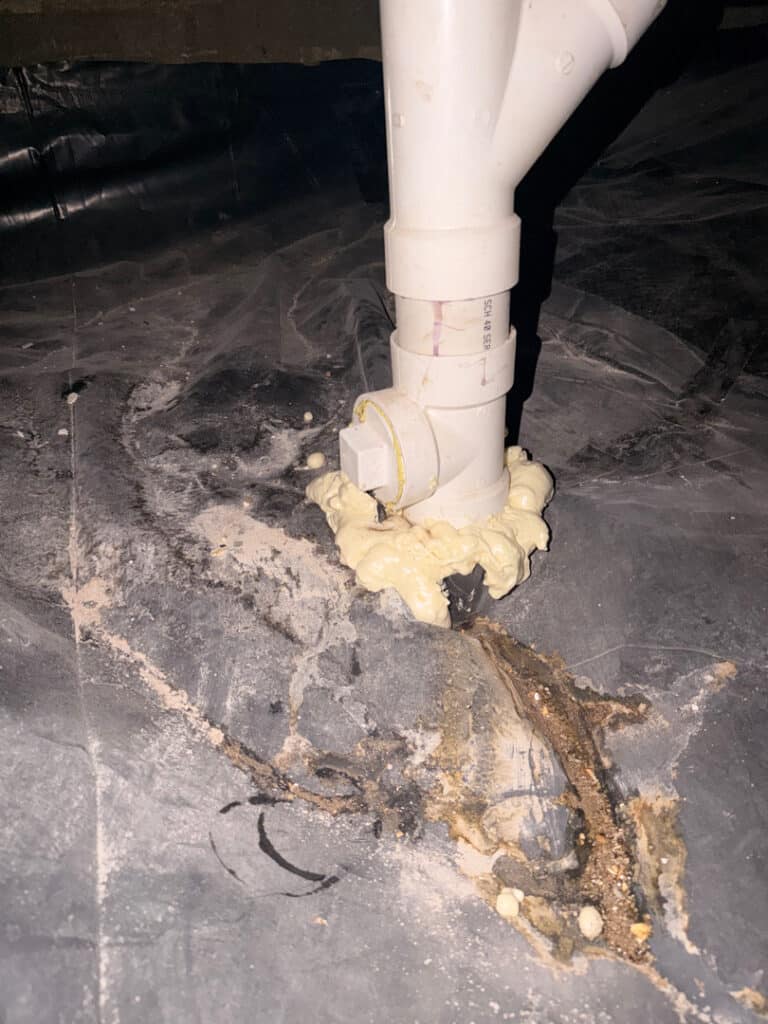
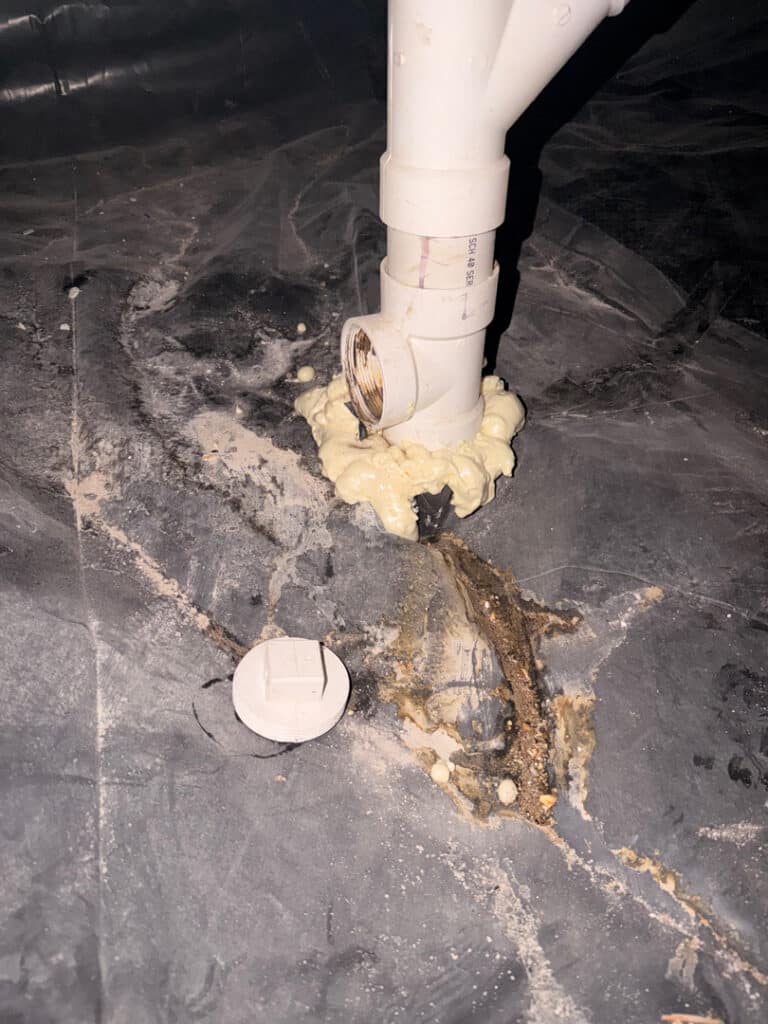
Bad Sewer Smell - Denver
Problem:Smells it outback her house on the block wall
Found:3" PVC plug that was not even hand tight and leaking water into the crawlspace.
Fixed:Removed plug and applied teflon tape and pipe down and then reinstalled
Outcome:Mentioned to the owner that there was one leaf for sure that we solved
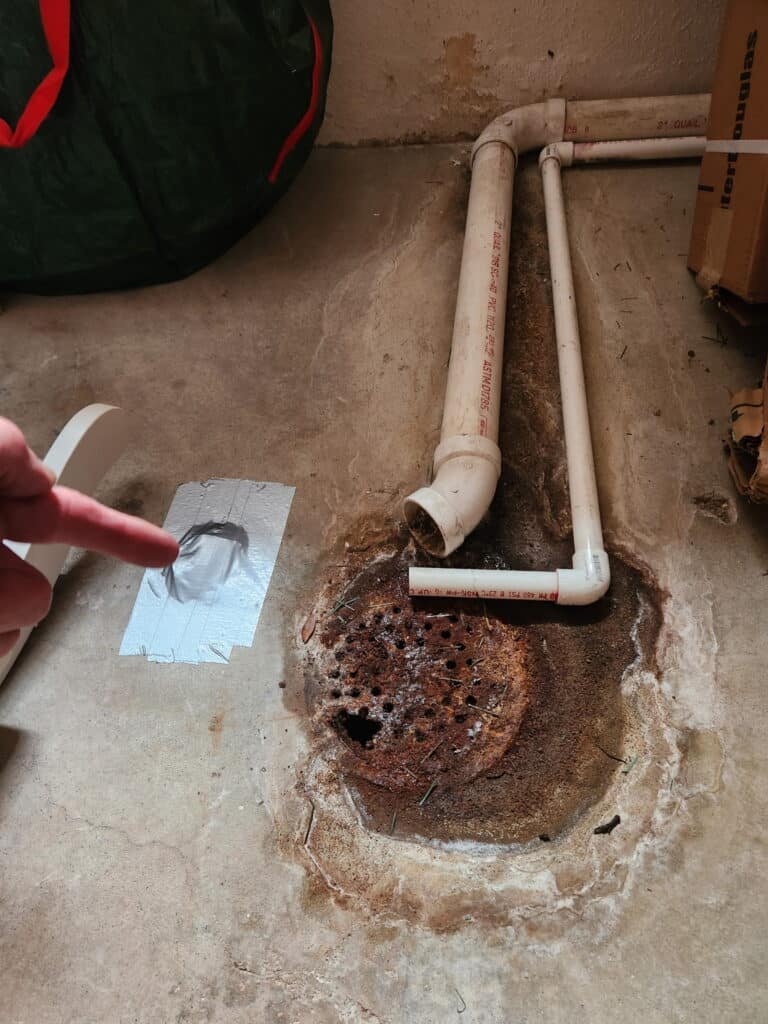
Sewer Gas Leaks to Fix - Denver
Problem:Seal sewer gas opening in the piping
Found:sewer smell issues after smoke test. Cut and caulked old line by ice maker box that was left open a long time ago.
Fixed:Sealed old pipe next to floor drain that had been cut off and was no longer in use . Stuffed rag in hole and filled up with hydraulic cement.
How Cardom Plumbing & Heating Addresses Sewage Ejector Pump Problems
Our approach to ejector pump service begins with understanding your complete basement plumbing layout and the specific symptoms you're experiencing. Every service call follows a systematic diagnostic process designed to identify root causes rather than just treating symptoms.
Our Diagnostic and Repair Process
Initial assessment – We evaluate all connected fixtures, test drainage flow, and inspect the ejector basin for visible issues including float position, debris accumulation, and seal condition
Electrical system testing – Voltage checks at the pump, circuit integrity verification, and alarm system functionality testing
Pump performance evaluation – We measure actual pumping capacity against manufacturer specifications, accounting for Denver's altitude factors
Discharge line inspection – Camera inspection when needed to identify blockages, check valve failures, or pipe damage
Vent system verification – Confirming proper venting prevents sewer gas issues and ensures optimal pump operation
Repair or replacement execution – Based on findings, we complete necessary work with quality components rated for our elevation and conditions
System testing and documentation – Full operational testing with documentation of all work performed
Methods and Techniques
We employ specialized approaches for Denver's specific conditions:
Altitude-compensated pump selection using adjusted horsepower and GPM calculations
Insulated discharge line installations for freeze protection in vulnerable locations
Dual-float systems for redundant activation in critical applications
Battery backup integration for homes in areas prone to power outages
Sealed basin installations that coordinate with existing radon mitigation systems
Communication Throughout the Process
Before beginning any work, we explain exactly what we've found and present options clearly. You'll understand the difference between a repair that extends your current pump's life versus replacement with a more robust system. We photograph problem areas and show you what we're seeing – because informed decisions lead to better outcomes for your home.
Why Choose Cardom Plumbing & Heating
Cardom Plumbing & Heating brings focused expertise to sewage ejector pump work that general plumbers often lack. Our technicians hold certifications specific to pump systems and understand the calculations required for Denver's altitude. We've installed and serviced ejector systems across every Denver neighborhood – from Victorian-era Capitol Hill basements to modern Stapleton developments with complex lower-level layouts.
When your basement bathroom backs up at 6 PM on a Friday, you need a plumber who answers. Our response commitment means real availability for emergencies, not voicemail promises. We stock common ejector pump components on our service vehicles, allowing same-day repairs for many issues rather than return visits that leave you without functioning basement facilities.
What Sets Us Apart
Local inventory – We maintain relationships with Denver-area suppliers for quick access to pumps, basins, and components
Permit expertise – We handle Denver building department requirements for new installations and major replacements
Warranty support – Our work includes meaningful follow-up, and we stand behind both labor and parts
Diagnostic technology – Video inspection equipment and electrical testing tools allow accurate diagnosis without unnecessary excavation
Coordination capability – When ejector work intersects with other systems – radon mitigation, waterproofing, or main sewer lines – we coordinate effectively with other trades
We treat your basement like the valuable living space it represents. Drop cloths protect flooring, and we clean up thoroughly. You shouldn't have to follow behind your plumber with a mop.
Denver's housing stock spans over 150 years of construction practices, and each era presents distinct ejector pump installation challenges. Understanding your home's age and construction type helps predict potential issues and guides appropriate system design.
Historic and Mid-Century Homes
Homes built before 1960 – common in neighborhoods like Park Hill, Congress Park, and Washington Park – typically feature:
Stone or block foundations with limited waterproofing
Original cast iron drain lines that may have significant corrosion
Basement floor drains that predate modern ejector requirements
Lower ceiling heights that complicate basin access
Electrical systems requiring upgrades to support modern pump loads
These homes often had basements intended for storage or utilities rather than living space. When homeowners finish these basements and add bathrooms, ejector pump installations must work around original construction that wasn't designed with these systems in mind.
1970s-1990s Construction
Suburban expansion during these decades brought homes with deeper basements and more sophisticated plumbing. Many properties in Lakewood, Arvada, and Aurora from this period have existing ejector systems reaching the end of their service life. Original pumps from this era often used cast iron components that corrode over time – replacement with modern thermoplastic units improves longevity significantly.
Modern Construction Considerations
Newer Denver developments frequently include basement bedrooms and bathrooms as standard features. Builder-grade ejector installations sometimes prioritize cost over longevity, using minimum-specification pumps that struggle with actual household demands. Upgrading to appropriately sized systems prevents the frustrating cycle of repeated repairs.
Garden-level units in multi-family buildings require careful pump sizing for shared loads
Homes with multiple basement bathrooms may need larger basins or dual-pump configurations
Walkout basements with partial below-grade sections present unique venting challenges
Denver's semi-arid climate and unique geological setting create environmental factors that directly affect sewage ejector pump selection, installation, and maintenance requirements.
Water Quality Characteristics
Denver Water supplies the metropolitan area with water sourced primarily from mountain snowmelt collected in reservoirs along the Continental Divide. While this water meets all safety standards, it carries mineral content that affects plumbing systems over time:
Moderate hardness levels (typically 50-150 ppm) cause gradual mineral buildup on pump floats and switches
Seasonal variations in source water affect sediment levels entering home plumbing
Treatment chemicals can accelerate corrosion on older metal components
These factors influence maintenance intervals and component selection for ejector systems.
Soil and Drainage Effects
The Denver Basin sits atop complex geology including expansive clay soils – particularly the Denver Formation and Pierre Shale. These soils swell when wet and shrink when dry, creating ground movement that affects underground plumbing:
Basin shifting can break seals and discharge pipe connections
Poor drainage in clay soils increases hydrostatic pressure against basement walls and floors
Seasonal soil movement may require flexible connections at critical junctions
Climate Impacts on System Design
Denver averages 57 inches of snow annually, with occasional heavy spring storms dropping 1-2 feet at once. Rapid snowmelt combined with still-frozen ground creates surface water that finds its way into basements through various pathways. Ejector systems must handle not only fixture drainage but potentially increased groundwater infiltration during these events.
Summer afternoon thunderstorms bring intense rainfall and frequent lightning. Surge protection for ejector pump electrical systems prevents damage from power fluctuations common during storm season. The combination of 300+ days of sunshine with occasional extreme weather events means systems must handle both extended dry periods and sudden high-demand situations.
Denver Basement Development Trends and Infrastructure Data
Denver's sustained population growth – the metropolitan area added over 100,000 residents between 2018 and 2023 – drives intense demand for living space. With median home prices exceeding $550,000 and limited buildable land, homeowners increasingly maximize existing square footage through basement finishing projects. Denver's Department of Community Planning and Development reports that basement finish permits consistently rank among the most common residential improvement requests.
This basement development trend directly increases demand for sewage ejector pump installations. Building codes require proper waste handling for any below-grade fixtures, and most Denver basements sit below the main sewer exit point. The city's permit records show bathroom additions as a primary component of basement finish projects, each requiring code-compliant ejector systems.
Infrastructure Age and Capacity
Denver's sewer infrastructure varies significantly by neighborhood:
Central Denver neighborhoods rely on combined sewer systems dating to the early 1900s, with some lines over 100 years old
Metro Wastewater Reclamation District serves most of the metropolitan area, with varying connection requirements by location
Older areas may have shallower main sewer lines, affecting ejector pump lift requirements
Some neighborhoods experience periodic sewer capacity issues during heavy rain events
Understanding local sewer infrastructure helps determine appropriate ejector system specifications. Homes connecting to older, shallower mains may require different pump configurations than those in newer developments with deeper, modern sewer lines. Cardom Plumbing & Heating evaluates these factors during every ejector pump installation to match system design with actual site conditions.
A sewage ejector pump is a device that moves wastewater from below-grade fixtures, like basement bathrooms, to the main sewer line when gravity cannot do the job. It consists of a sealed basin that collects wastewater, and when the water reaches a certain level, the pump activates to grind solids and push the waste through a discharge pipe.
In Denver, many homes have fixtures located below the main sewer line, making a sewage ejector pump necessary to prevent backups and ensure proper drainage. This is especially important in basements where plumbing fixtures may be installed below ground level.
Signs of a failing sewage ejector pump include unusual noises, frequent cycling on and off, sewage backups, or a sewage smell in your basement. If you notice any of these issues, it’s best to consult a professional for a thorough inspection.
Common issues include mechanical wear, electrical problems, improper venting, and check valve failures. The unique altitude and temperature fluctuations in Denver can also affect pump performance, leading to premature wear or unexpected failures.
Regular maintenance is recommended at least once a year to ensure your sewage ejector pump operates efficiently. This includes checking the electrical connections, inspecting the basin, and testing the pump's operation to prevent future issues.
While some homeowners may attempt a DIY installation, it’s advisable to hire a professional. Proper installation requires knowledge of local building codes, electrical connections, and plumbing requirements to ensure safety and functionality.
If your sewage ejector pump fails, immediately stop using any fixtures connected to it to prevent backups. Contact a professional plumber to diagnose the issue and perform necessary repairs or replacements.