Sewage ejector pumps are essential for homes in Louisville, CO, particularly those with basements below the sewer line. These pumps collect and push wastewater to the main sewer line, preventing backups and hazardous conditions.
Louisville's unique terrain often requires specialized ejector pumps due to elevation changes and clay-heavy soils.
Common issues include rapid cycling, odors, and slow drainage, indicating the need for professional evaluation.
Cardom Plumbing & Heating offers expert diagnostics and tailored solutions to ensure reliable pump performance.
What is a sewage ejector pump?
A sewage ejector pump is a mechanical device used in homes where wastewater needs to be pumped uphill to reach the main sewer line. It collects waste and gray water in a sealed basin and then forcefully pushes it upward, preventing backups and unpleasant odors in lower-level fixtures.
Sewage Ejector Pump Services in Louisville, CO
When wastewater refuses to flow uphill on its own, your basement bathroom, laundry room, or lower-level fixtures depend entirely on one hardworking mechanical component. A sewage ejector pump sits in a sealed basin below your floor, collecting waste and gray water before forcefully pushing it up to your main sewer line. Without this system functioning properly, you're facing backups, foul odors, and potentially hazardous conditions in your Louisville home.
Louisville's unique position along the Front Range – with many homes built into hillsides or featuring finished basements below sewer line grade – makes ejector pumps more common here than in flatter regions. The combination of clay-heavy soils, seasonal groundwater fluctuations, and temperature swings from mild afternoons to freezing nights creates specific demands on these systems that generic plumbing approaches simply can't address.
Reliable waste removal from below-grade bathrooms, laundry rooms, and floor drains
Protection against sewage backups that can cause extensive property damage and health hazards
Proper venting and sealed operation to prevent sewer gas infiltration into living spaces
Extended system lifespan through professional sizing, installation, and maintenance
Professional diagnosis matters because ejector pump problems often mimic other plumbing issues – slow drains, gurgling sounds, or intermittent backups might indicate pump failure, vent blockages, check valve problems, or basin issues. Cardom Plumbing & Heating brings the diagnostic expertise to pinpoint exactly what's happening in your system before recommending solutions.
Common Sewage Ejector Pump Issues in Louisville, CO
Cardom Plumbing & Heating provides Sewage Ejector Pump services in all neighborhoods of Louisville including Balfour, Centennial Heights, Cherrywood II, Eagle Place, Paragon Estates, Parco Dello Zingaro, Steel Ranch Subdivision, and Waneka Landing.
Louisville sits at approximately 5,300 feet elevation where atmospheric pressure differences affect pump performance calculations. Homes throughout the Coal Creek corridor and up toward the foothills often have basements sitting 8 to 12 feet below the main sewer connection. This elevation change demands properly sized pumps with adequate horsepower – undersized units struggle and fail prematurely.
The area's clay-dominant soil composition creates additional challenges. During wet seasons, groundwater pressure increases around basement walls and floors. Ejector pump basins can experience infiltration if seals deteriorate, leading to pumps running more frequently than designed. Conversely, Louisville's semi-arid climate means extended dry periods where pumps may sit idle, allowing seals to dry out and debris to settle.
Local Factors Affecting Ejector Pump Performance
Temperature extremes: Louisville regularly sees temperature swings of 40+ degrees in a single day, causing expansion and contraction in discharge pipes and fittings
Hard water deposits: Municipal water in the Louisville area contains moderate mineral content that can accumulate on float switches and pump components
Aging infrastructure: Many Louisville homes built during the 1970s-1990s growth periods have original ejector systems approaching or exceeding their 20-25 year lifespan
Power fluctuations: Mountain storms frequently cause brief power interruptions that can damage pump motors or leave basins dangerously full
Basement finishing trends: Louisville's strong real estate market drives homeowners to add basement bathrooms, sometimes overloading existing ejector capacity
Seasonal occupancy patterns: Some Louisville properties see irregular use, allowing pumps to sit stagnant for weeks
Warning Signs Requiring Attention
Watch for these indicators that your ejector pump needs professional evaluation:
Pump cycling on and off rapidly – often audible as repeated clicking or humming
Sewage odors in basement areas, particularly near floor drains or bathroom fixtures
Slow drainage from basement toilets, showers, or washing machines
Visible sewage or water around the ejector pit cover
Pump running continuously without shutting off
Complete failure to activate when basement fixtures are used
How Cardom Plumbing & Heating Addresses Ejector Pump Needs
Our approach to sewage ejector pump service follows a systematic process designed to identify problems accurately and implement lasting solutions. We don't guess – we diagnose.
Our Service Process
Initial assessment: We begin by discussing your symptoms, reviewing when problems started, and understanding your basement's plumbing layout and usage patterns
Visual inspection: Opening the ejector pit allows us to check waste levels, examine the pump condition, inspect float switches, and assess the basin integrity
Electrical testing: We verify power supply, test motor amperage draw, check control circuits, and evaluate alarm systems if present
Mechanical evaluation: Testing the check valve, examining discharge pipe connections, and verifying vent line operation
Performance testing: Running water into the system to observe pump activation, cycle timing, and complete drainage
Recommendation and repair: Based on findings, we present options ranging from component repair to complete system replacement
Quality verification: After any work, we run multiple test cycles and verify proper operation before considering the job complete
Methods and Techniques
Camera inspection of discharge lines to identify blockages or pipe deterioration
Float switch calibration to establish proper activation and shutoff levels
Check valve replacement using quality components rated for sewage applications
Basin cleaning and debris removal to restore proper capacity
Pump sizing calculations based on vertical lift, horizontal run, and fixture count
Vent line clearing to maintain proper air flow and prevent airlock conditions
Throughout the process, we keep you informed about what we're finding and why it matters. You'll understand exactly what's happening with your system before any repair work begins.
Why Choose Cardom Plumbing & Heating
Sewage ejector pump work requires specific expertise that goes beyond general plumbing knowledge. Our technicians hold current Colorado plumbing licenses and maintain ongoing training in pump systems, electrical controls, and waste handling equipment. We carry proper insurance for working with sewage systems – a detail that matters when things get messy.
Louisville isn't just a service area for us – it's a community we know. We understand which neighborhoods have homes with challenging basement depths, which developments used specific construction methods, and how local soil conditions affect system performance. This familiarity translates into faster diagnostics and more appropriate solutions.
What Sets Us Apart
Responsive scheduling: Ejector pump failures don't wait for convenient times – we prioritize these calls because we understand the urgency
Diagnostic accuracy: We invest in proper testing equipment rather than relying on guesswork that wastes your time and money
Quality components: We install commercial-grade pumps and parts designed for longevity, not the cheapest options available
Clear communication: You'll receive honest assessments about repair versus replacement decisions based on your system's actual condition
Follow-up commitment: We check back after major repairs to confirm everything continues operating as expected
When your basement bathroom backs up at 6 AM before work, you need a plumber who answers the phone, arrives prepared, and solves the problem. That's the standard we hold ourselves to.
Recent Work
Water Leaking - Louisville
Problem:Find and repair leak.
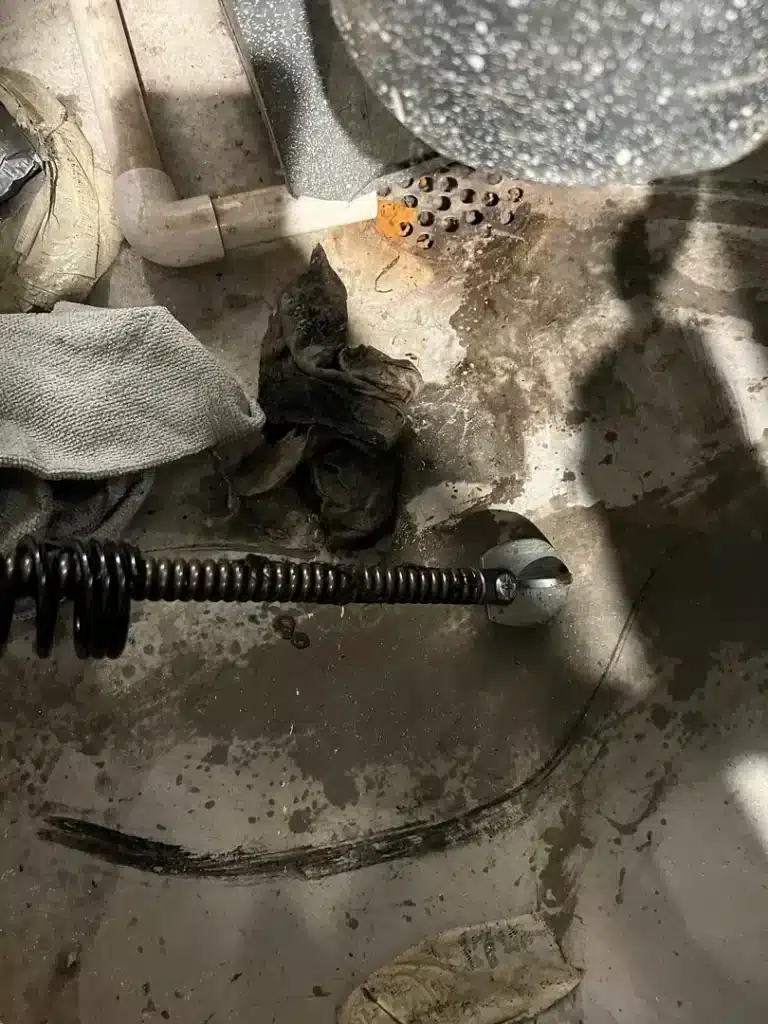
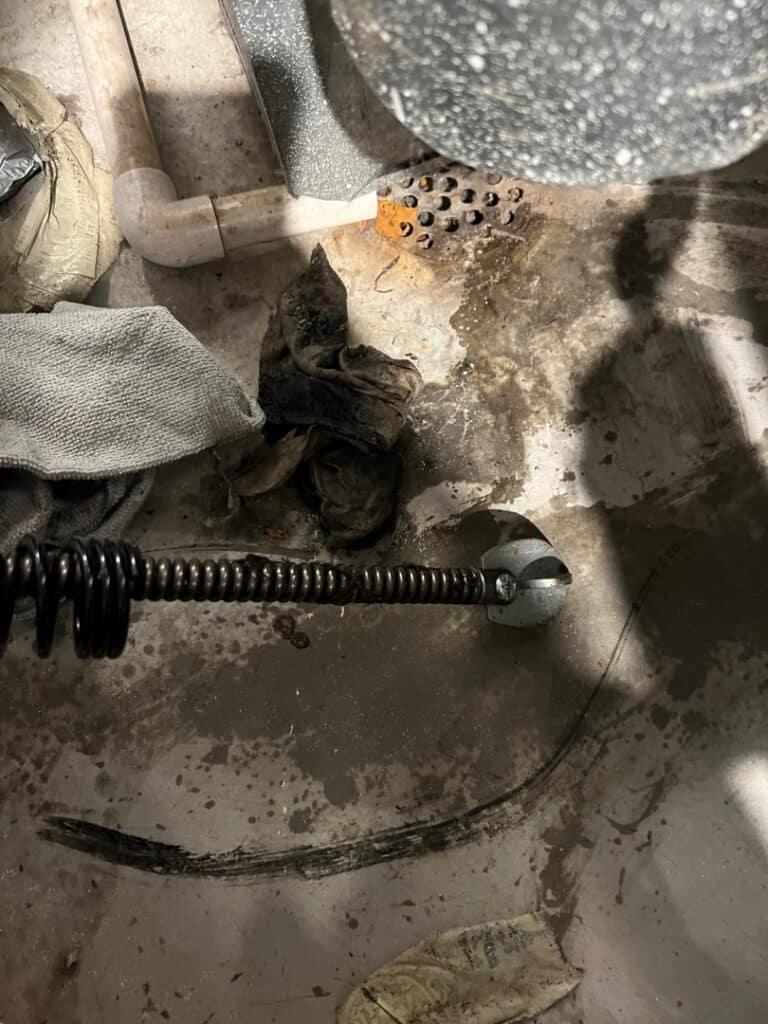
Found:Pulled out some wipes that were flushed down.
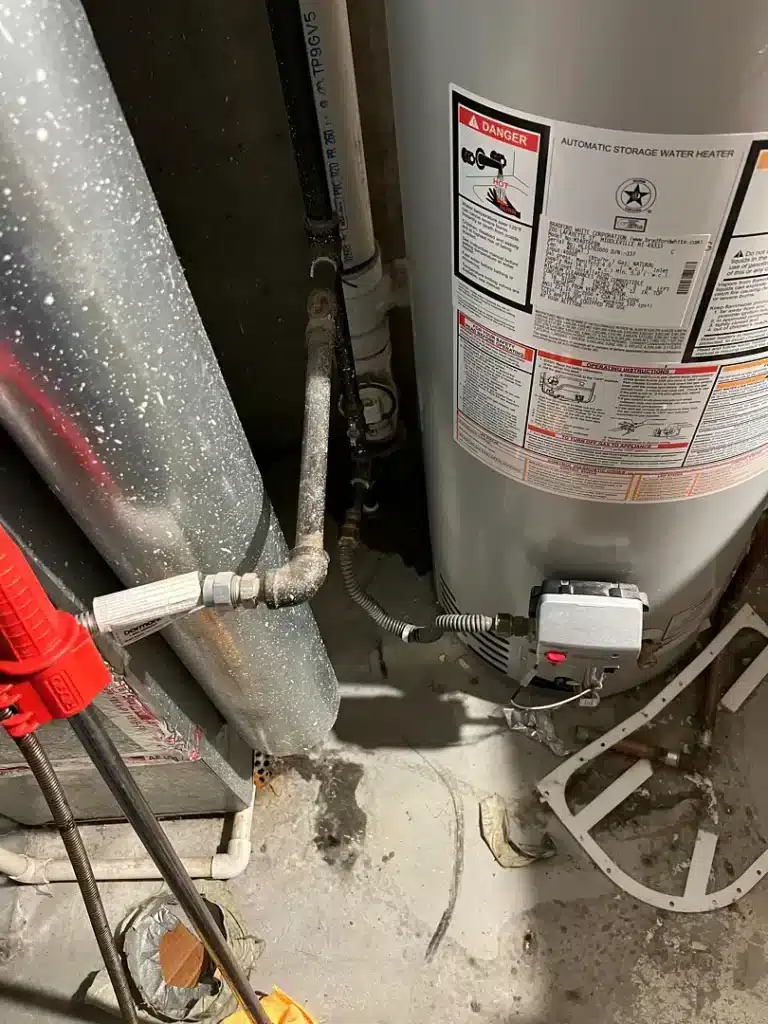
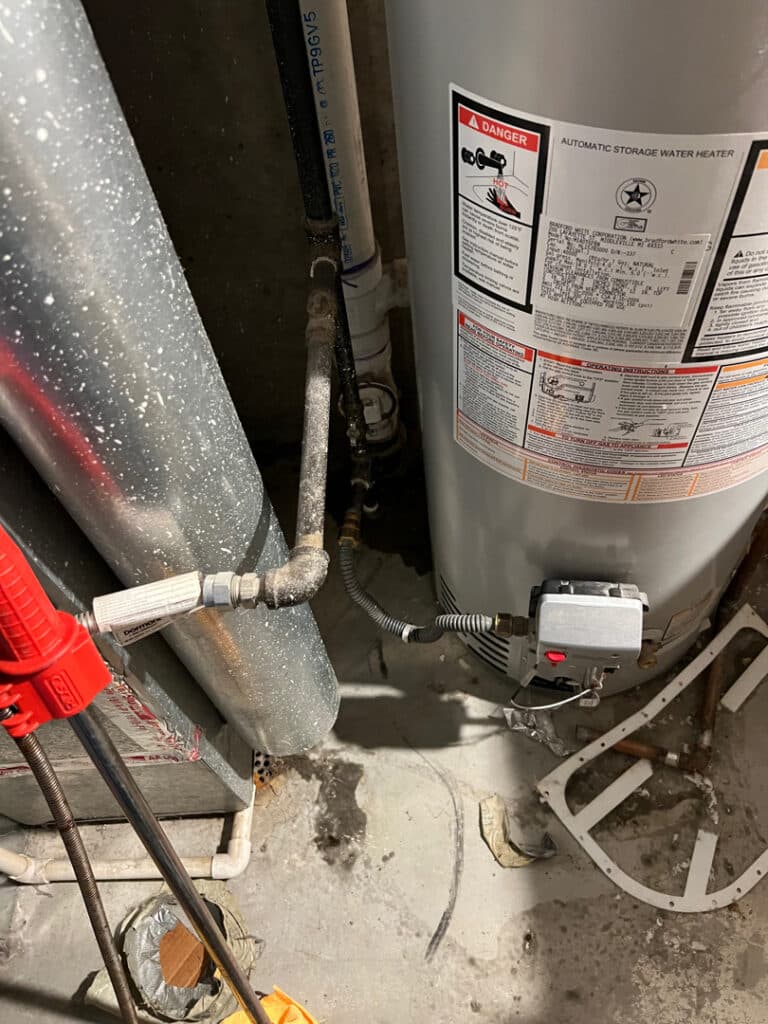
Fixed:Using large sewer machine, we ran the cable from the house to the main several times. Ran all plumbing in the home at the same time. Cleared drain. There was also a lot of grease in the line so we feel the wipes stuck to the grease and caused the blockage.
Outcome:Working properly
Water Leaking - Louisville
Problem:The water leak was a stopped up sewer main.
Found:Using large sewer machine, we ran the cable from the house to the main several times. Pulled out some wipes that were flushed down.
Fixed:Ran all plumbing in the home at the same time. Cleared drain.
Outcome:There was also a lot of grease in the line so we feel the wipes stuck to the grease and caused the blockage. Jobsite cleanup.
Louisville's housing stock reflects several distinct development periods, each with implications for ejector pump systems. The historic downtown area contains homes dating to the early 1900s – many with basements originally unfinished but later converted to living space. These older properties often have ejector systems added as afterthoughts, sometimes with inadequate capacity or outdated components.
Development Era Considerations
Pre-1970 homes: Often feature cast iron discharge pipes that may be corroding internally, reducing flow capacity and stressing pumps
1970s-1980s construction: Many homes in subdivisions like Indian Peaks and Centennial used early PVC systems with smaller diameter discharge lines than current standards recommend
1990s-2000s builds: Better pump technology but often builder-grade units approaching end of service life
Recent construction: Modern systems with improved efficiency but occasionally undersized for actual household usage patterns
Basement Configuration Factors
Louisville's sloped terrain means basement depths vary significantly even within the same neighborhood. Homes on the west side of town – closer to the foothills – frequently have walk-out basements with partial below-grade sections. These configurations sometimes use multiple ejector systems or require higher-capacity pumps to handle the vertical lift.
Full basements typically require pumps capable of 10-15 feet of vertical lift
Split-level designs may have fixtures at varying depths, complicating system design
Finished basements with full bathrooms, wet bars, and laundry generate more waste than simple floor drain applications
Homes with basement apartments or rental units often exceed original ejector capacity
Understanding your home's specific construction period and basement configuration helps us recommend appropriate pump specifications and anticipate potential issues before they become emergencies.
Louisville's position along the Front Range creates a distinctive environmental profile that directly affects plumbing systems. The semi-arid climate averages just 18 inches of precipitation annually, but that moisture arrives unevenly – often as intense spring storms or heavy winter snows that melt rapidly during warm spells.
Water Quality Characteristics
Louisville receives treated water from the city's municipal system, sourced primarily from Coal Creek and supplemented by regional supplies. The water tests moderately hard – typically 120-180 parts per million – which contributes to mineral buildup on pump components, float switches, and discharge fittings over time.
Calcium deposits can interfere with float switch movement, causing pumps to fail to activate or shut off
Mineral buildup on impellers decreases pump efficiency and increases motor strain
Soil and Drainage Effects
The clay-heavy soils throughout Louisville expand when wet and contract when dry. This seasonal movement affects underground plumbing in several ways:
Shifting soil can stress discharge pipe connections, creating leaks or separations
Clay's poor drainage allows groundwater to accumulate around basement walls during wet periods
Dry seasons cause soil to pull away from foundations, potentially allowing surface water intrusion during storms
Frost penetration during cold snaps can affect shallow discharge lines
Climate Impacts on System Performance
Louisville's 300+ days of sunshine sound pleasant, but the associated temperature swings stress plumbing systems. Summer afternoons reaching 95°F followed by overnight lows in the 50s – or winter days swinging from 60°F to below freezing – cause expansion and contraction cycles that fatigue fittings and seals.
Rubber seals and gaskets deteriorate faster under UV exposure and temperature cycling
Discharge pipes running through unheated crawl spaces risk freezing during extended cold periods
Power outages during mountain thunderstorms can leave ejector basins filling without pump operation
Rapid snowmelt events can overwhelm municipal systems, affecting backflow prevention
Louisville Basement Development and Below-Grade Plumbing Statistics
Louisville's real estate market consistently ranks among Colorado's most desirable, driving significant basement finishing and renovation activity. According to Boulder County building permit data, Louisville issues between 150-200 basement finishing permits annually – many involving new bathroom installations that require ejector pump systems. The city's median home price exceeding $700,000 motivates homeowners to maximize usable square footage, making basement development economically attractive.
The prevalence of below-grade living space in Louisville creates substantial demand for ejector pump services:
Approximately 65% of Louisville single-family homes have basements, with an estimated 40% containing finished living space
Homes built before 1990 – representing roughly half the housing stock – have ejector systems potentially exceeding recommended service life
Building department records indicate basement bathroom additions increased 25% over the past decade
The average Louisville basement sits 8-10 feet below the main sewer line connection point
Infrastructure Age and Replacement Cycles
Louisville's growth occurred in distinct waves – modest development through the 1960s, significant expansion in the 1970s-1980s, and continued building through the 2000s. This pattern means many ejector systems installed during the 1980s and 1990s are now reaching the 25-30 year mark where failure rates increase substantially.
Industry data suggests ejector pump failure rates double after year 15 of service
Original builder-grade pumps typically underperform compared to current efficiency standards
Older installations often lack modern features like high-water alarms or battery backup systems
Replacement with current technology can reduce energy consumption by 20-30% while improving reliability
For Louisville homeowners with basement bathrooms or laundry facilities, understanding your ejector pump's age and condition prevents the unpleasant surprise of a backup during your morning routine. Proactive evaluation and maintenance costs far less than emergency service and water damage remediation.
A sewage ejector pump is a device installed in a sealed basin below your floor that collects wastewater and gray water. When the water level in the basin rises, the pump activates and forces the waste up to the main sewer line, allowing for proper drainage from lower-level fixtures.
If your home has a basement bathroom, laundry room, or any fixtures below the main sewer line, a sewage ejector pump is essential. It prevents sewage backups and foul odors by efficiently moving waste to the sewer system, protecting your home from potential damage and health hazards.
Signs of a failing sewage ejector pump include slow drains, gurgling sounds, or intermittent backups. If you notice any of these issues, it's important to have a professional inspect the pump to diagnose the problem and recommend necessary repairs.
Common issues include pump failure due to improper sizing, vent blockages, or basin infiltration caused by clay-heavy soils. Seasonal groundwater fluctuations can also affect pump performance, making regular maintenance crucial in this area.
It's recommended to have your sewage ejector pump serviced at least once a year. Regular maintenance helps ensure the pump operates efficiently, extends its lifespan, and prevents unexpected failures or backups.
You can find sewage ejector pump services in Louisville through local plumbing companies like Cardom Plumbing & Heating. They offer professional installation, maintenance, and repair services tailored to the unique needs of homes in the area.
Factors include the elevation of your home, soil composition, and seasonal groundwater levels. In Louisville, the combination of clay-heavy soils and elevation changes can create specific demands on the pump, making proper sizing and installation essential for optimal performance.