Cardom Plumbing & Heating offers expert sump pump services in Lakewood, CO, addressing the unique challenges posed by local soil and weather conditions. Their professional installation and maintenance ensure reliable protection against groundwater intrusion and related damage.
Sump pumps are essential for preventing water damage in basements and crawl spaces. They help maintain property value by addressing moisture issues promptly.
Cardom Plumbing & Heating provides tailored solutions based on individual property assessments and local drainage patterns.
The company prioritizes emergency calls, ensuring quick response times to mitigate damage from flooding.
What is a sump pump and why is it important?
A sump pump is a device installed in basements or crawl spaces to prevent water accumulation. It is crucial for protecting properties from groundwater intrusion, foundation damage, and mold growth, especially after heavy rains. By effectively removing excess water, sump pumps help maintain a dry and safe environment.
Sump Pump Services in Lakewood, CO
Water pooling in your basement or crawl space creates immediate stress. That musty smell, the sound of trickling water where it shouldn't be, or discovering standing water after a heavy rain – these situations demand fast, reliable solutions. Sump pump systems serve as your property's primary defense against groundwater intrusion, foundation damage, and the costly mold remediation that follows unchecked moisture problems.
A sump pump installation involves creating a collection pit at the lowest point of your basement or crawl space, where groundwater naturally accumulates. The pump activates automatically when water reaches a specific level, expelling it away from your foundation through a discharge line. Professional installation requires proper sizing calculations, correct pit placement, appropriate discharge routing, and backup power considerations – all factors that determine whether your system performs reliably during Lakewood's unpredictable weather events.
Lakewood's unique position along the Front Range creates specific challenges for basement waterproofing. The city's clay-heavy soils expand dramatically when saturated, pushing hydrostatic pressure against foundation walls. Combined with aging infrastructure in many established neighborhoods and rapid snowmelt events common to Colorado's spring season, professional sump pump assessment becomes critical for protecting your home investment.
Prevents foundation cracking and structural damage from hydrostatic pressure
Eliminates conditions that promote mold growth and poor indoor air quality
Protects stored belongings and finished basement spaces from water damage
Maintains property value by addressing moisture issues before they escalate
Our approach to sump pump services begins with understanding your property's specific water management challenges. Every Lakewood home presents unique conditions based on its age, construction methods, soil composition, and relationship to local drainage patterns.
Our Sump Pump Service Process
Initial assessment – We evaluate your basement or crawl space, identifying water entry points, measuring floor slopes, and noting existing drainage features
Groundwater analysis – Understanding seasonal water table fluctuations and soil saturation patterns helps determine appropriate pump capacity
System design – We calculate the required pump horsepower, pit dimensions, and discharge routing based on your property's specific needs
Installation execution – Proper pit excavation, pump mounting, check valve installation, and discharge line routing following manufacturer specifications and local codes
Electrical connections – Dedicated circuit installation with appropriate GFCI protection for safe, reliable operation
Testing and calibration – Float switch adjustment, cycle testing, and discharge flow verification before project completion
Client education – Walkthrough of system operation, maintenance requirements, and troubleshooting basics
Methods and Techniques
Submersible pump installation – Quieter operation and better cooling for primary residential applications
Pedestal pump systems – Easier maintenance access for applications where pit depth is limited
Battery backup integration – Secondary pump systems that activate during power outages when you need protection most
Water-powered backup options – Municipal water pressure-driven backup pumps for extended outage protection
Discharge line freeze protection – Proper burial depth and insulation techniques for Colorado's cold winters
Interior drainage tile connection – Integrating sump systems with perimeter drain systems for comprehensive water management
Communication remains constant throughout your project. We provide clear explanations before beginning work, updates during installation, and detailed documentation upon completion. Our technicians answer questions thoroughly – understanding your system helps you maintain it properly.
Lakewood homeowners deserve plumbing professionals who understand Front Range conditions intimately. Our technicians have installed and serviced sump pump systems throughout Jefferson County for years, developing practical expertise that only comes from hands-on experience with local soil conditions, weather patterns, and housing stock. We hold current Colorado plumbing licenses and maintain ongoing training on the latest pump technologies and installation methods.
When your basement floods, waiting days for service isn't acceptable. Cardom Plumbing & Heating prioritizes emergency sump pump calls because we understand the damage that accumulates with every hour of standing water. Our service vehicles carry common pump models, replacement parts, and diagnostic equipment – allowing many repairs to happen during the initial visit rather than requiring follow-up appointments.
What Sets Us Apart
Local expertise – Deep familiarity with Lakewood's specific drainage challenges, soil types, and neighborhood characteristics
Proper sizing – We calculate pump capacity based on actual groundwater conditions rather than generic recommendations
Quality components – We install professional-grade pumps designed for continuous duty, not consumer-grade units with limited lifespans
Complete solutions – Addressing underlying drainage issues rather than just installing pumps to manage symptoms
Follow-up support – Annual maintenance programs and responsive service when problems arise
Our work comes backed by clear guarantees on both labor and equipment. We stand behind our installations because proper sump pump work – done right the first time – provides years of reliable basement protection.
Recent Work
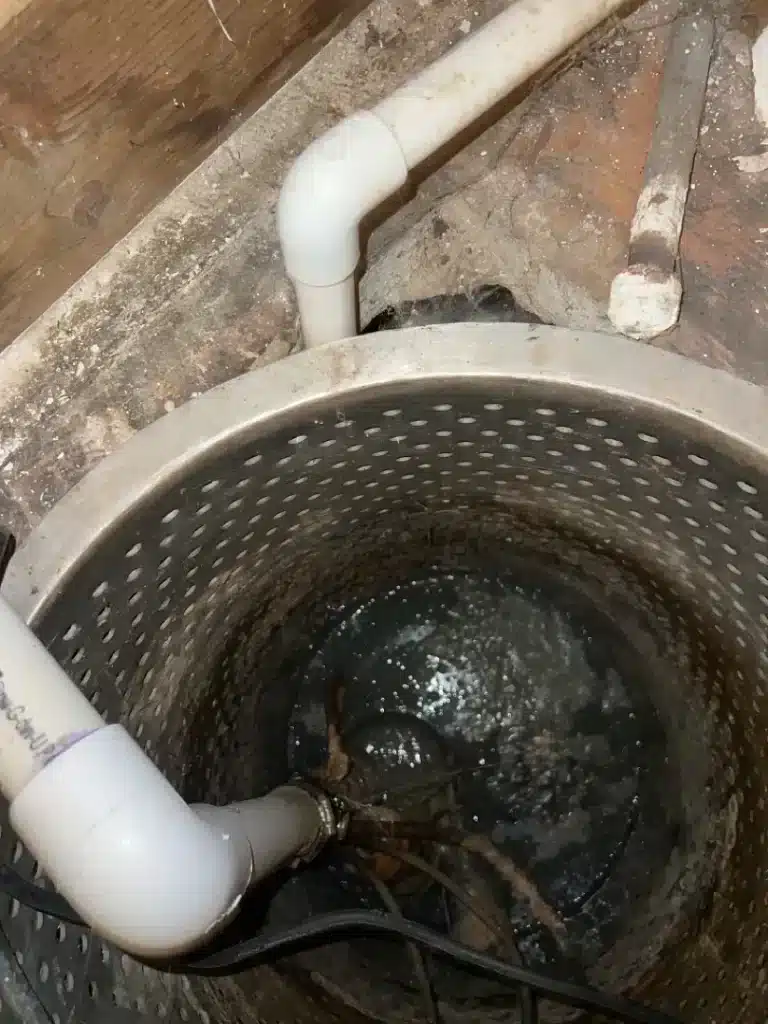
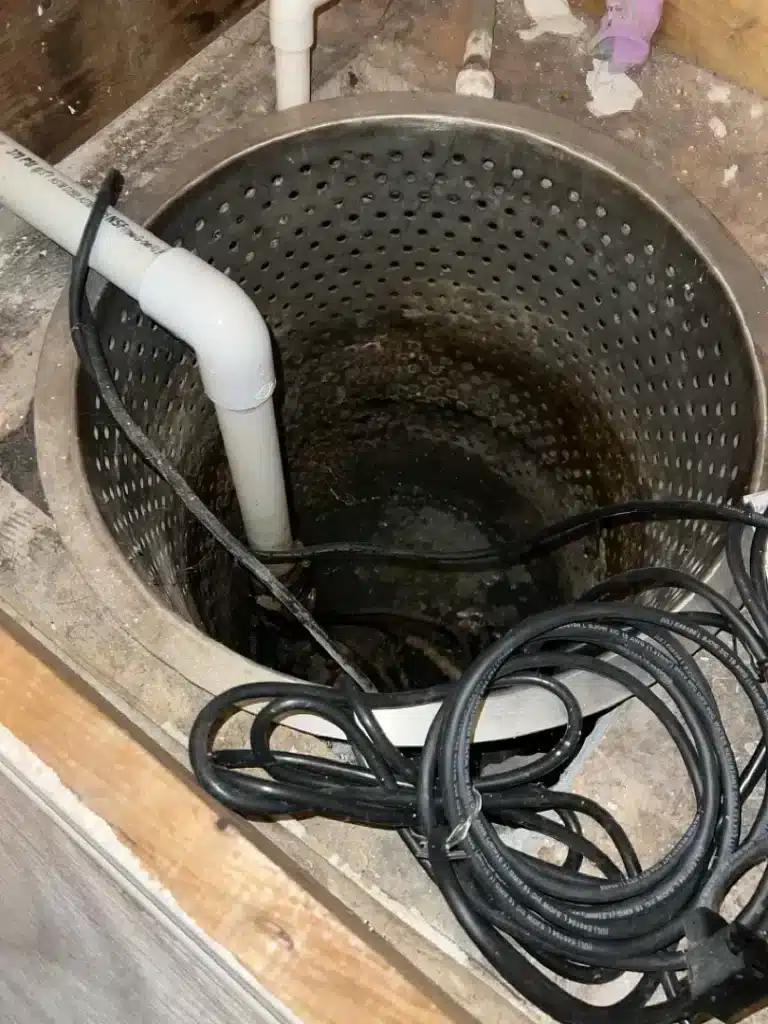
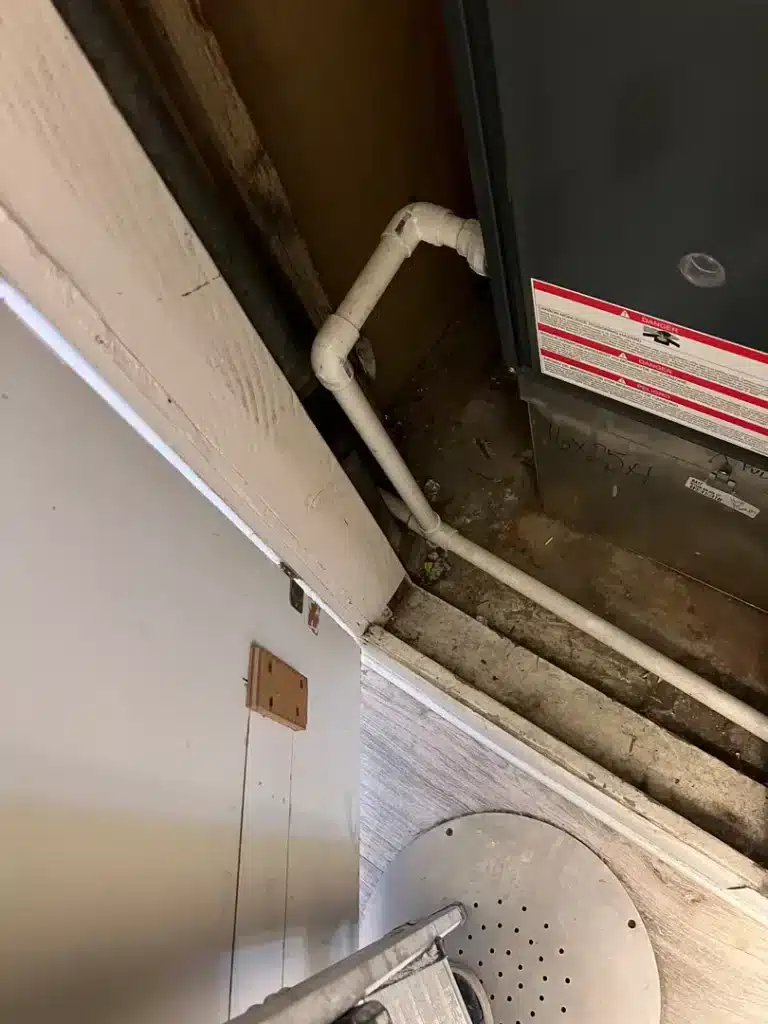
Sewer or Mildew Smell Around the Washing Machine - Lakewood
Problem:Find sewer smell and resolve problem
Found:We removed the washer and pulled the plywood up and found a sump pump. It seems that the condensate pump for at least two furnaces is dumping into this sump pit and causing the foul smell.
Fixed:Filling in around the sump pump and cementing shut, buying a steel lid cut to size and screw down to the tank with sealant .
Lakewood's housing stock reflects distinct construction eras, each presenting unique sump pump installation requirements. Understanding your home's characteristics helps determine the most effective water management approach.
Post-War Ranch Homes (1945-1965)
These single-story homes dominate many Lakewood neighborhoods. Common characteristics affecting sump pump needs include:
Shallow basements or crawl spaces with minimal waterproofing
Poured concrete or block foundations with aging mortar joints
Original clay drain tiles that may be clogged or collapsed
Limited electrical capacity requiring panel upgrades for dedicated pump circuits
Split-Level and Bi-Level Homes (1965-1980)
Popular during Lakewood's expansion period, these homes present specific challenges:
Multiple foundation levels creating complex water flow patterns
Lower-level living spaces at risk during water intrusion events
Finished basements where pump installation must minimize disruption
Aging exterior waterproofing membranes approaching end of service life
Contemporary Construction (1990-Present)
Newer Lakewood homes typically include builder-grade sump systems that may need upgrading:
Undersized pumps installed to meet minimum code requirements
Plastic pit liners that crack or shift over time
Discharge lines routed with insufficient slope or freeze protection
Missing battery backup systems despite increasing storm intensity
Homes near Green Mountain, Bear Creek Lake Park, and the Lakewood Gulch corridor face elevated groundwater risks due to their proximity to natural drainage channels. Properties in these areas often benefit from higher-capacity pump systems or dual-pump configurations.
Lakewood receives treated water from Denver Water, meeting all federal quality standards. However, groundwater entering your basement differs significantly from municipal supply. This untreated water carries sediment, minerals, and organic matter that affect sump pump operation:
Iron and mangite deposits can clog pump intakes and check valves
Fine sediment accumulates in pits, reducing effective capacity
Organic debris creates odors and promotes bacterial growth
Mineral-laden water leaves scale deposits on pump components
Soil and Drainage Patterns
The Denver Formation clay underlying Lakewood creates a challenging environment for foundation drainage. This soil type exhibits dramatic volume changes between wet and dry conditions – expanding up to 10% when saturated. These characteristics affect sump pump installations:
Clay holds water against foundations longer than sandy soils
Soil expansion can shift pit liners and discharge lines
Compacted clay prevents natural drainage away from structures
Seasonal soil movement creates new water entry pathways
Climate Impact on System Performance
Lakewood's semi-arid climate with distinct wet and dry seasons creates variable demands on sump pump systems. Spring snowmelt and summer thunderstorm seasons generate the highest pumping requirements, while winter brings freeze protection challenges:
Discharge lines must be buried below the frost line – approximately 36 inches in Jefferson County
Lakewood's flood risk profile directly influences sump pump requirements throughout the city. According to FEMA flood mapping data, several Lakewood areas fall within designated flood zones, particularly along Bear Creek, Lakewood Gulch, and tributaries feeding into the South Platte River system. Even properties outside official flood zones face groundwater intrusion risks during significant precipitation events.
Jefferson County emergency management records indicate that localized flooding events occur regularly during summer monsoon season, typically July through September. These intense, short-duration storms can deposit 1-2 inches of rainfall within an hour – overwhelming storm drainage capacity and saturating soils rapidly. The Urban Drainage and Flood Control District has documented multiple significant flood events affecting Lakewood over the past two decades.
Key Flood and Drainage Statistics
100-year flood zones – Properties along Bear Creek and Lakewood Gulch face elevated risk designations
Flash flood potential – Lakewood's position at the base of the foothills increases vulnerability to rapid runoff
Storm drainage capacity – Older neighborhoods built before modern stormwater standards may experience surface flooding during heavy rain
Groundwater recharge areas – Properties near parks, open space, and creek corridors see higher water table fluctuations
Impervious surface increase – Continued development reduces natural absorption, directing more water toward existing structures
This flood risk data underscores why sump pump systems represent critical infrastructure for Lakewood homes rather than optional improvements. Properties with any history of basement moisture – or those located in lower-lying areas – benefit from properly sized, professionally installed sump systems with battery backup protection. The cost of proactive installation remains far below the expense of water damage remediation, mold removal, and foundation repair following a flooding event.
Common Sump Pump Issues in Lakewood, CO
Lakewood's geography creates a perfect storm for basement water intrusion. Sitting at approximately 5,500 feet elevation along the eastern slope of the Rocky Mountains, the city experiences dramatic weather shifts that stress drainage systems. Afternoon thunderstorms can dump significant rainfall in short periods, overwhelming soil absorption capacity and directing groundwater toward foundation walls.
The Denver Formation clay that underlies much of Lakewood presents particular challenges. This expansive soil type swells when wet and contracts when dry, creating seasonal movement that can compromise foundation integrity over time. Homes built during Lakewood's major growth periods – the 1950s through 1970s – often lack modern waterproofing measures, making retroactive sump pump installation a practical necessity rather than an optional upgrade.
Local Factors Affecting Sump Pump Performance
Expansive clay soils – Denver Formation clay holds moisture against foundations, increasing hydrostatic pressure during wet seasons
Rapid snowmelt cycles – Warm chinook winds can melt accumulated snow within hours, saturating frozen ground that cannot absorb the runoff
Aging municipal storm systems – Older neighborhoods may have undersized or deteriorating storm drainage infrastructure
High water table areas – Properties near Bear Creek, Lakewood Gulch, or low-lying areas experience elevated groundwater levels
Foundation settling – Decades of soil expansion and contraction create pathways for water entry
Power outages during storms – Heavy weather events that create the greatest need for sump pumps often coincide with electrical disruptions
Warning Signs Requiring Professional Attention
Recognizing early indicators of sump pump problems prevents catastrophic failures during critical moments. Watch for these symptoms:
Pump runs continuously or cycles on and off frequently
Unusual grinding, rattling, or humming sounds during operation
Visible rust or corrosion on pump components
Water marks or efflorescence on basement walls despite pump operation
Musty odors persisting in basement or crawl space areas
A sump pump is a device installed in basements or crawl spaces to remove accumulated water. It works by collecting water in a pit and activating automatically when the water reaches a certain level, pumping it away from the foundation to prevent flooding and moisture issues.
Installing a sump pump in your Lakewood home helps protect against groundwater intrusion and prevents damage from flooding. Given the area's clay-heavy soils and seasonal weather patterns, a sump pump can significantly reduce the risk of foundation damage and mold growth.
Signs that your sump pump may need maintenance include unusual noises, frequent cycling, or if it fails to activate during heavy rainfall. Regular testing and inspection can help ensure it operates effectively when needed.
You can find sump pump installation services in Lakewood by searching online for local plumbing companies or asking for recommendations from neighbors. It's important to choose a service with experience in dealing with the specific water management challenges in the area.
The cost of sump pump installation can vary based on factors such as the type of pump, the complexity of the installation, and any necessary modifications to your basement or crawl space. Additional costs may arise from electrical work or drainage system adjustments.
It's recommended to test your sump pump at least once a year, ideally before the rainy season. This involves pouring water into the pit to see if the pump activates and checking for any signs of wear or malfunction.
Yes, a sump pump can significantly help with mold prevention by keeping your basement or crawl space dry. By removing excess water and reducing humidity levels, it creates an environment less conducive to mold growth.