Sump pump systems are essential for protecting Broomfield homes from water damage caused by groundwater accumulation. These systems help prevent structural issues, mold growth, and preserve valuable belongings.
Broomfield's clay-heavy soils and elevation create unique challenges for sump pump performance. Heavy rain and snowmelt can overwhelm systems, making professional evaluation crucial.
Common issues include continuous pump operation, strange noises, and visible rust, indicating the need for maintenance.
Cardom Plumbing & Heating offers tailored sump pump diagnostics and repairs, ensuring systems are properly sized and functioning effectively.
What is a sump pump and why is it important for homes in Broomfield, CO?
A sump pump is a device installed in basements or crawl spaces to remove excess water and prevent flooding. In Broomfield, where heavy rains can lead to water pooling, a functioning sump pump is crucial to protect homes from water damage and the associated costs of repairs.
Sump Pump Services in Broomfield, CO
Water pooling in your basement or crawl space creates immediate stress. That musty smell, the visible moisture lines on concrete walls, or the sudden discovery of standing water after a storm – these scenarios demand fast, reliable solutions. A properly functioning sump pump stands between your Broomfield home and potentially thousands of dollars in water damage.
Sump pump systems collect groundwater that accumulates beneath your foundation and discharge it away from your home before it can cause structural damage, mold growth, or foundation deterioration. These systems include the pump unit itself, a basin or pit, discharge piping, check valves, and often backup power systems. Professional diagnosis matters because improper sizing, incorrect installation, or failing components can leave your home vulnerable precisely when protection matters most.
Broomfield presents unique challenges for basement water management. The city sits at approximately 5,400 feet elevation where clay-heavy soils expand and contract dramatically with moisture changes. Spring snowmelt from the nearby foothills, summer monsoon storms, and the area's expanding development all influence groundwater behavior around your foundation.
Protection against foundation damage and structural settling caused by water intrusion
Prevention of mold and mildew growth that thrives in damp basement environments
Preservation of stored belongings, finished basement spaces, and mechanical equipment
Peace of mind during Colorado's unpredictable spring thaw and summer storm seasons
Broomfield's location along the Front Range creates a specific set of conditions that directly affect sump pump performance and longevity. The region's bentonite clay soil – prevalent throughout much of the city – swells significantly when wet and shrinks when dry. This constant movement places pressure on foundations and can redirect groundwater in unexpected ways, overwhelming systems that worked fine for years.
The seasonal pattern here creates predictable stress points for sump pump systems. Heavy spring snowmelt from late March through May coincides with increased rainfall, creating peak demand on your pump. Summer brings intense afternoon thunderstorms that can dump inches of rain in under an hour. Winter presents its own challenges – power outages during snowstorms can disable pumps precisely when frozen ground prevents normal drainage.
Local Factors Affecting Sump Pump Systems
Clay soil composition – Broomfield's expansive soils hold water near foundations rather than allowing quick drainage, increasing pump cycling frequency
Fluctuating water table – Groundwater levels vary significantly between dry winters and wet springs, causing intermittent pump operation that can mask developing problems
Hard water mineral content – Broomfield's water contains calcium and magnesium deposits that can accumulate in discharge lines and check valves over time
Elevation and freeze cycles – Discharge lines exposed to Broomfield's 300+ annual freeze-thaw cycles can crack or become blocked by ice
New construction drainage changes – Rapid development in surrounding areas alters natural drainage patterns, sometimes redirecting water toward established neighborhoods
Power grid stress during storms – Summer storms and winter blizzards cause outages when sump pumps are most needed
Warning Signs Requiring Attention
Watch for these indicators that your sump pump system needs professional evaluation:
Pump runs continuously or cycles on and off every few minutes
Strange noises – grinding, rattling, or humming without water discharge
Visible rust or corrosion on the pump housing or discharge components
Water in the basement despite pump operation
Pump fails to activate when water enters the basin
Discharge pipe freezing or ice backup during cold weather
Musty odors suggesting standing water beneath the floor
Our approach to sump pump service combines thorough diagnostics with solutions matched to your specific property conditions. We don't assume every home needs the same system or that every problem requires complete replacement.
Our Service Process
Initial assessment – We evaluate your current system's condition, capacity, and installation quality while discussing your history of water issues
Basin and pit inspection – Checking for debris accumulation, proper sizing, and correct positioning relative to groundwater entry points
Pump testing – Verifying float switch operation, motor function, impeller condition, and actual pumping capacity under load
Discharge system evaluation – Inspecting pipes, check valves, and exterior discharge points for blockages, leaks, or freeze damage
Electrical assessment – Confirming proper wiring, GFCI protection, and outlet condition for safe, reliable operation
Recommendation and repair – Providing clear options based on findings, from targeted repairs to system upgrades
Testing and verification – Running the system through complete cycles to confirm proper operation before leaving
Methods and Techniques
Different situations call for different approaches. Our technicians are trained in multiple diagnostic and repair methods:
Flow rate testing – Measuring actual gallons-per-minute output to verify pump capacity meets your home's needs
Float switch calibration – Adjusting activation and shutoff points to prevent short cycling or overflow
Check valve replacement – Installing quality valves that prevent backflow and reduce pump strain
Discharge line rerouting – Redirecting water away from foundation and preventing freeze-prone configurations
Battery backup installation – Adding secondary systems that activate during power outages
Water-powered backup systems – Installing municipal water-driven pumps for homes with adequate water pressure
Communication Throughout Service
We explain what we find in plain language. You'll understand why your system failed, what options exist for repair or replacement, and how to prevent future problems. After service, we provide documentation of work performed and recommendations for ongoing maintenance.
Why Choose Cardom Plumbing & Heating
Sump pump failures don't wait for convenient timing. When water threatens your home, you need technicians who answer calls promptly and arrive prepared to solve problems – not salespeople looking to upsell unnecessary equipment. Our team carries common replacement parts and backup pumps on service vehicles because we understand that speed matters when basements flood.
Our technicians hold current Colorado plumbing licenses and maintain ongoing training in water management systems. We've worked in Broomfield homes ranging from 1960s ranch-style builds with original drainage systems to new construction in Anthem and Interlocken. This experience means we recognize the specific challenges different neighborhoods and construction eras present.
What Sets Us Apart
Local presence – We're part of this community, not a franchise dispatching from Denver
Diagnostic focus – We identify root causes rather than just replacing parts
Right-sized solutions – We match pump capacity to actual groundwater conditions, not worst-case assumptions
Follow-up commitment – We check back after major installations to verify performance
Emergency availability – Water emergencies receive priority scheduling
We stand behind our work with clear warranties on parts and labor. If a system we install fails to perform as expected, we return to make it right. Our reputation in Broomfield depends on solving problems correctly the first time.
Recent Work
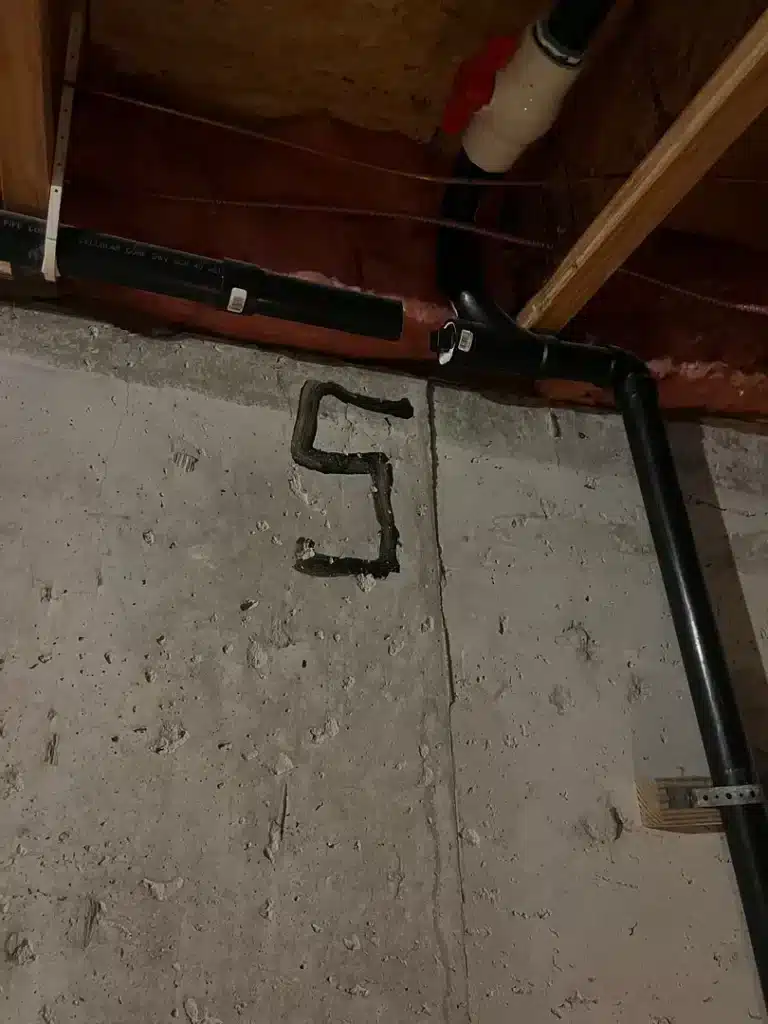
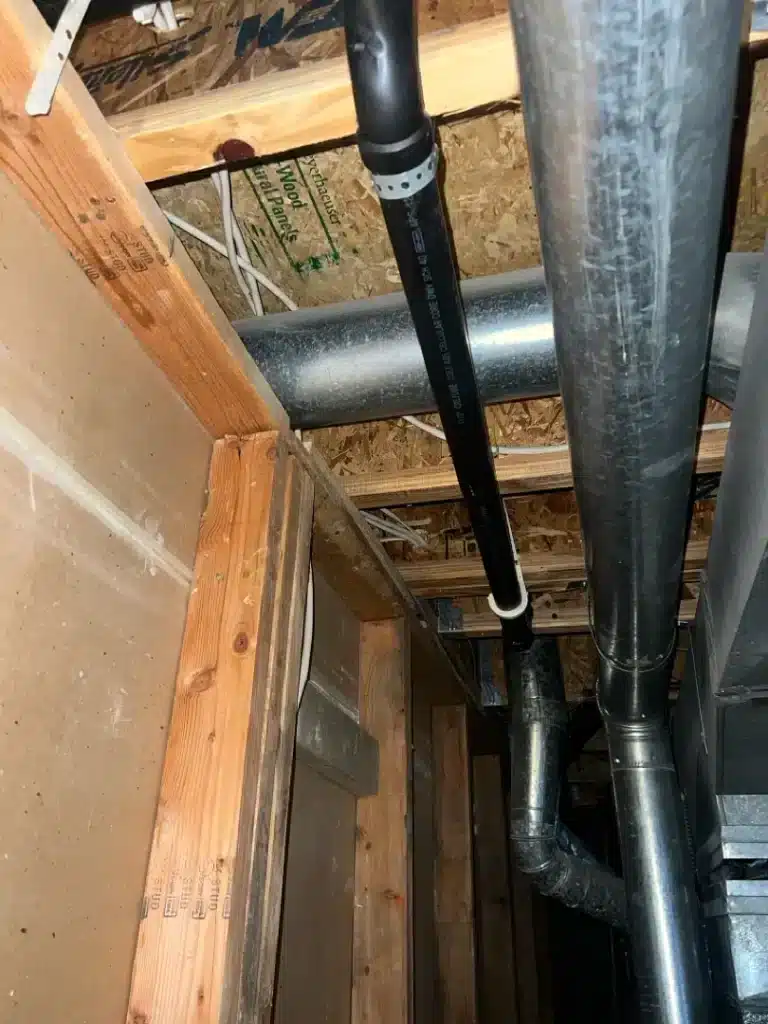
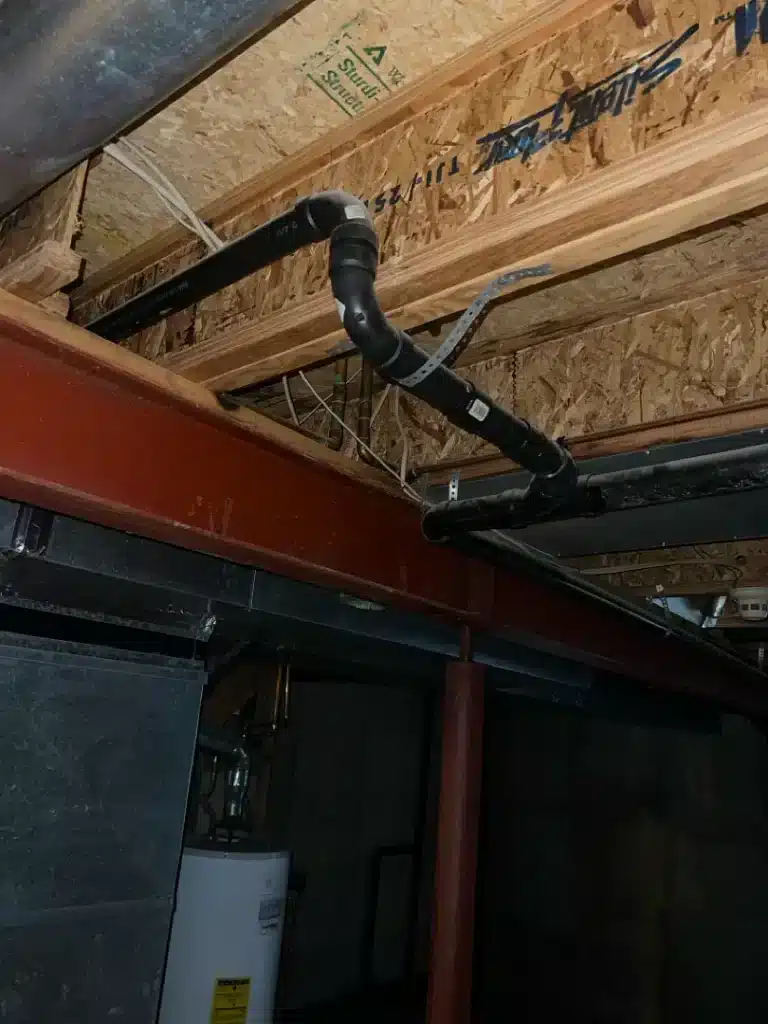
Sump Pump and Water Issue - Broomfield
Problem:Replace sump pump and repipe entire system.
Found:Pump has failed, over 1 foot of water under entire crawlspace
Fixed:Cut out old pump and all available piping to the old system. Cap the old discharge line going into the kitchen sink line. (Code violation.) Set new pump in a crawlspace that is completely full up to the light bulb in the crawlspace. Repipe new sump (Zoeller M53, cast iron pump) with a new ball valve and check valve. Discharged the new line to the exterior where there is a swale to take away the water.
Broomfield's housing stock reflects the city's evolution from agricultural community to thriving suburb. Understanding your home's construction era helps predict sump pump needs and potential complications.
Housing Age Distribution
Pre-1970s homes – Original Broomfield neighborhoods often have older drainage systems, clay tile perimeter drains, and may lack sump systems entirely. These homes frequently require complete system installation.
1970s-1990s construction – Many homes in this era have basic sump systems that may be undersized by current standards. Pumps installed during original construction are well past typical service life.
2000s developments – Neighborhoods like Broadlands and McKay Landing feature builder-grade sump systems that vary significantly in quality. Many are due for first major maintenance or replacement.
Recent construction (2010-present) – Anthem, Baseline, and other newer communities have modern systems but may face challenges as surrounding development alters drainage patterns.
Foundation Types and Implications
Most Broomfield homes feature full basements or walkout lower levels – construction styles that create significant below-grade space requiring water management. The prevalence of finished basements throughout the city raises the stakes for sump pump reliability. A failure doesn't just mean a wet concrete floor; it often means damaged carpet, drywall, furniture, and electronics.
Crawl space homes, while less common, present their own challenges. Limited access makes pump installation and service more difficult, and moisture problems often go unnoticed until significant damage occurs. These spaces benefit from combination approaches including vapor barriers and dehumidification alongside sump systems.
Neighborhood-Specific Patterns
Original Broomfield near Main Street – Older infrastructure, mature landscaping affecting drainage
Westlake area – Variable water table influenced by nearby lake levels
Anthem Highlands – Hillside construction with complex groundwater movement
Interlocken – Commercial development nearby affects stormwater patterns
Broomfield's environmental conditions directly influence how hard your sump pump works and how long it lasts. Understanding these factors helps homeowners anticipate needs and recognize when systems are struggling.
Water Quality Characteristics
Broomfield receives water from multiple sources including the Colorado-Big Thompson Project and local groundwater supplies. The municipal water is moderately hard – typically ranging from 120-180 parts per million of dissolved minerals. While this primarily affects household plumbing, it also impacts sump systems when groundwater carries similar mineral content. Calcium deposits can accumulate in discharge pipes and check valves, gradually restricting flow.
The city treats water to meet all EPA standards, but groundwater entering your sump basin comes untreated. This water often carries sediment, iron bacteria, and organic matter that can clog pump intakes and foul float switches.
Soil and Drainage Factors
Bentonite clay – Dominant soil type that expands up to 15% when saturated, creating hydrostatic pressure against foundations
Poor percolation – Clay soils drain slowly, keeping water near foundations longer than sandy soils would
Seasonal soil movement – Expansion and contraction can crack foundation walls, creating new water entry points
Construction fill variations – Backfill around foundations often settles differently than native soil, creating channels that direct water toward basement walls
Climate Impacts on Sump Pump Systems
Broomfield averages about 88 inches of snow annually, with significant accumulation typically occurring between November and April. Spring snowmelt represents the highest-risk period for basement flooding. The combination of melting snow, saturated ground from winter moisture, and early spring rains can overwhelm undersized or aging sump systems.
Summer brings a different pattern. Afternoon thunderstorms can drop 1-2 inches of rain in under an hour, creating sudden spikes in groundwater. Pumps that handle gradual spring seepage may struggle with these intense bursts. The freeze-thaw cycles – Broomfield experiences over 150 annually – stress discharge pipes and can create ice dams that prevent water from exiting the system.
Average annual precipitation: approximately 15 inches
Peak groundwater months: April through June
Freeze risk period: October through April
Thunderstorm season: May through September
Flood Risk and Drainage Data in Broomfield
Broomfield's flood risk profile directly affects sump pump requirements throughout the city. According to FEMA flood mapping, portions of Broomfield fall within designated flood zones, particularly areas near Big Dry Creek and its tributaries. However, basement flooding from groundwater and surface drainage affects homes well outside these official flood zones.
The City of Broomfield has invested significantly in stormwater infrastructure, including detention ponds and improved drainage channels. Despite these improvements, rapid development has increased impervious surfaces – rooftops, driveways, and parking lots that prevent natural absorption. This concentrated runoff can overwhelm municipal systems during heavy storms, raising local water tables and increasing pressure on residential sump systems.
Key Flood and Drainage Statistics
Big Dry Creek watershed encompasses much of central and southern Broomfield
100-year floodplain areas exist near major creek corridors
Urban development has increased peak stormwater flows by an estimated 30-50% in some drainage basins
City stormwater fees fund ongoing drainage improvements and maintenance
Several Broomfield neighborhoods have experienced localized flooding during severe storms
How This Affects Your Sump Pump Needs
Homes near creek corridors or in lower-elevation areas of neighborhoods face elevated groundwater risks. Even homes on higher ground can experience problems when upstream development changes how water moves through the area. The clay soils prevalent throughout Broomfield compound these issues by preventing rapid drainage.
For Broomfield homeowners, this data points toward several practical considerations:
Sizing sump pumps for peak demand, not average conditions
Installing battery or water-powered backup systems for storm-related outages
Ensuring discharge lines route water well away from foundations and neighboring properties
Scheduling maintenance before spring snowmelt and summer storm seasons
Monitoring basement humidity and sump activity during high-risk periods
Cardom Plumbing & Heating understands these local conditions and designs sump pump solutions that account for Broomfield's specific flood risks and drainage challenges. We help homeowners protect their properties with systems built for actual local conditions – not generic specifications that may fall short when protection matters most.
A sump pump is a device installed in basements or crawl spaces to remove accumulated water. It collects groundwater that seeps into a sump basin and pumps it away from the foundation, preventing flooding and water damage.
Installing a sump pump helps protect your home from water damage, mold growth, and structural issues caused by moisture. Given Broomfield's clay-heavy soils and seasonal weather patterns, a sump pump is essential for managing groundwater effectively.
You can check your sump pump by testing it regularly. Pour water into the sump basin to see if the pump activates and drains the water. Additionally, listen for unusual noises and inspect for any leaks or corrosion.
Common issues include pump failure due to power outages, clogging from debris, and improper installation. Broomfield's clay soil can also cause pumps to cycle more frequently, leading to wear and tear.
It's recommended to inspect and maintain your sump pump at least once a year. This includes cleaning the sump pit, testing the pump, and checking the discharge line to ensure it is clear of obstructions.
You can find sump pump services in Broomfield by searching online for local plumbing or waterproofing companies. Many professionals offer installation, maintenance, and repair services tailored to the unique conditions of the area.
If your sump pump fails during a storm, try to address the issue immediately by checking for power supply or clogs. If you cannot resolve the problem, consider using a backup pump or contacting a local service for emergency assistance.