Sewer cleanout services in Denver address critical issues like slow drains and unpleasant odors, which signal underlying problems in the sewer line. Professional cleanouts involve clearing blockages and restoring drainage flow, ensuring long-term functionality of the plumbing system.
They provide direct access to the main sewer line beneath properties for effective maintenance.
Professional assessments can identify root causes of sewer issues, preventing costly backups and damage.
Cardom Plumbing & Heating uses advanced diagnostics and tailored cleaning methods to resolve specific blockages.
What is a sewer cleanout?
A sewer cleanout is an access point in a plumbing system that allows for easy cleaning and maintenance of sewer lines. It helps to clear blockages and enables plumbers to inspect the sewer system, ensuring that any issues, such as slow drains or odors, can be addressed promptly.
Sewer Cleanout Services in Denver, CO
That slow drain in your basement. The gurgling sounds coming from your toilet when you run the washing machine. The unmistakable odor seeping up from your floor drains. These aren't minor annoyances – they're warning signals from your sewer line demanding attention.
A sewer cleanout is your direct access point to the main sewer line running beneath your Denver property. This critical maintenance procedure involves clearing blockages, removing debris buildup, and restoring full flow capacity to your home's entire drainage system. When performed by trained professionals, a thorough cleanout addresses problems at their source rather than masking symptoms with temporary fixes.
Why Professional Sewer Diagnosis Matters
Denver's unique combination of aging infrastructure, expansive clay soils, and dramatic temperature swings creates conditions that accelerate sewer line deterioration. A professional assessment identifies root causes – whether tree root intrusion, pipe bellying, grease accumulation, or structural damage – before recommending the appropriate cleaning method.
Prevents sewage backups that can cause thousands in water damage and health hazards
Extends the functional lifespan of your existing sewer infrastructure
Identifies developing problems before they require complete line replacement
Restores proper drainage flow throughout your entire plumbing system
Denver's semi-arid climate and dramatic seasonal shifts create a challenging environment for underground sewer systems. The city experiences over 300 days of sunshine annually, but those sunny days come with intense UV exposure and ground-level temperature fluctuations that stress pipe joints and connections. When winter arrives, ground temperatures can drop rapidly – and Denver's freeze-thaw cycles put tremendous pressure on buried infrastructure.
Much of Denver's residential sewer infrastructure dates back to post-World War II construction booms, with significant development occurring through the 1970s. Many of these original clay tile and Orangeburg pipes are now approaching or exceeding their intended service life. Combined with Denver Water's moderately hard water supply – averaging 4-8 grains per gallon – mineral deposits compound organic blockages over time.
Local Factors Affecting Your Sewer Line
Expansive clay soils – Denver's bentonite clay expands when wet and contracts when dry, shifting pipe alignments and creating low spots where debris accumulates
Mature tree canopy – Established neighborhoods feature large cottonwoods, maples, and ash trees whose roots aggressively seek moisture in sewer lines
Aging Orangeburg pipes – Homes built between 1945-1972 may still have these tar-paper pipes that collapse and deform over decades
Freeze-thaw cycling – Denver averages 155 days per year with temperatures dropping below freezing, stressing pipe joints repeatedly
High-altitude evaporation – Lower atmospheric pressure accelerates moisture loss from P-traps, allowing sewer gases to enter homes
Construction sediment – Ongoing development throughout the metro area introduces sand and debris into municipal systems
Warning Signs Requiring Immediate Attention
Don't wait for sewage backing up into your basement. Watch for these early indicators:
Multiple drains running slowly simultaneously
Gurgling sounds from toilets or floor drains when using other fixtures
Sewage odors near floor drains or cleanout access points
Water backing up in basement drains during heavy rain
Unexplained wet spots or unusually green patches in your yard
Recent Work
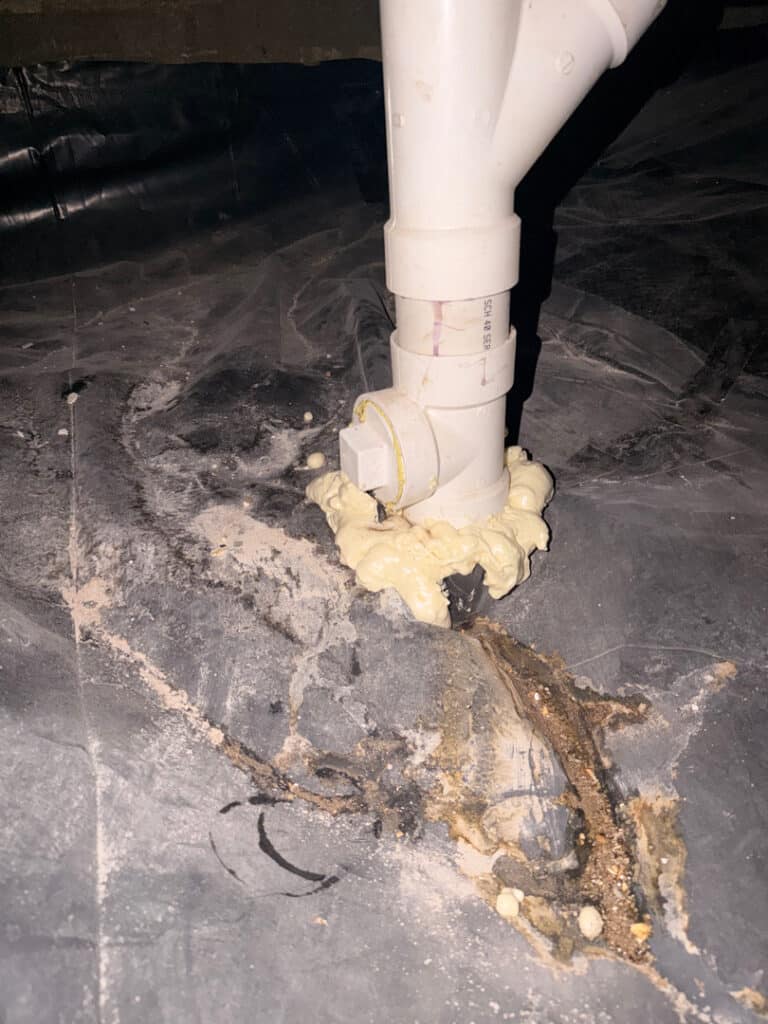
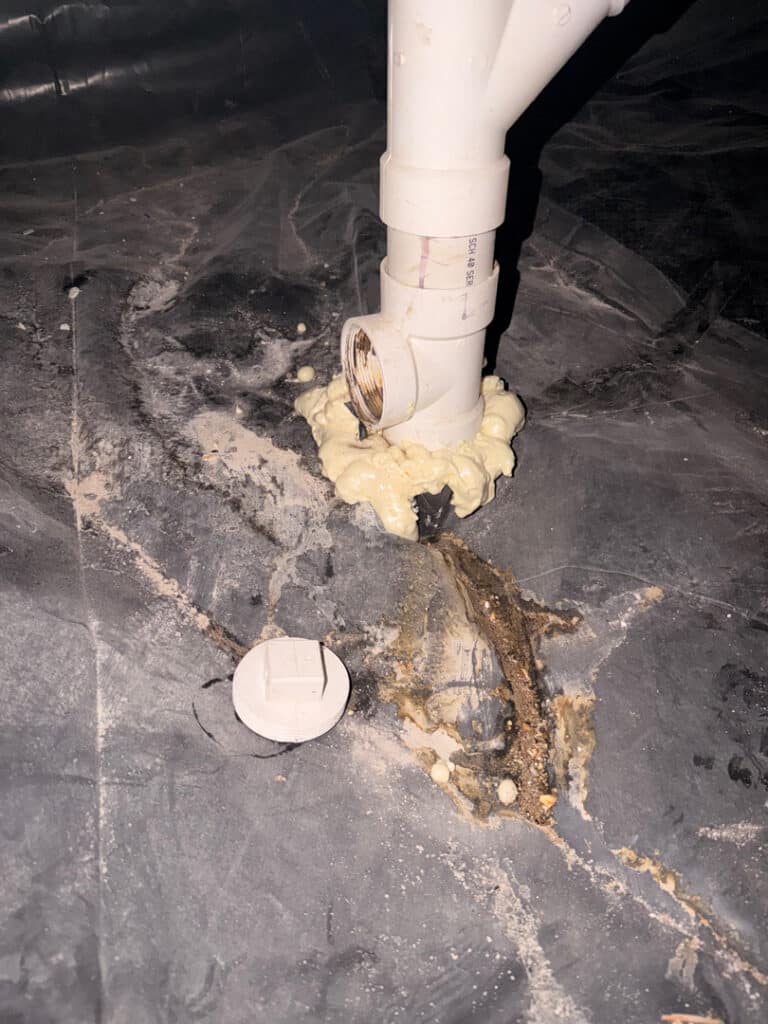
Bad Sewer Smell - Denver
Problem:Smells it outback her house on the block wall
Found:3" PVC plug that was not even hand tight and leaking water into the crawlspace.
Fixed:Removed plug and applied teflon tape and pipe down and then reinstalled
Outcome:Mentioned to the owner that there was one leaf for sure that we solved
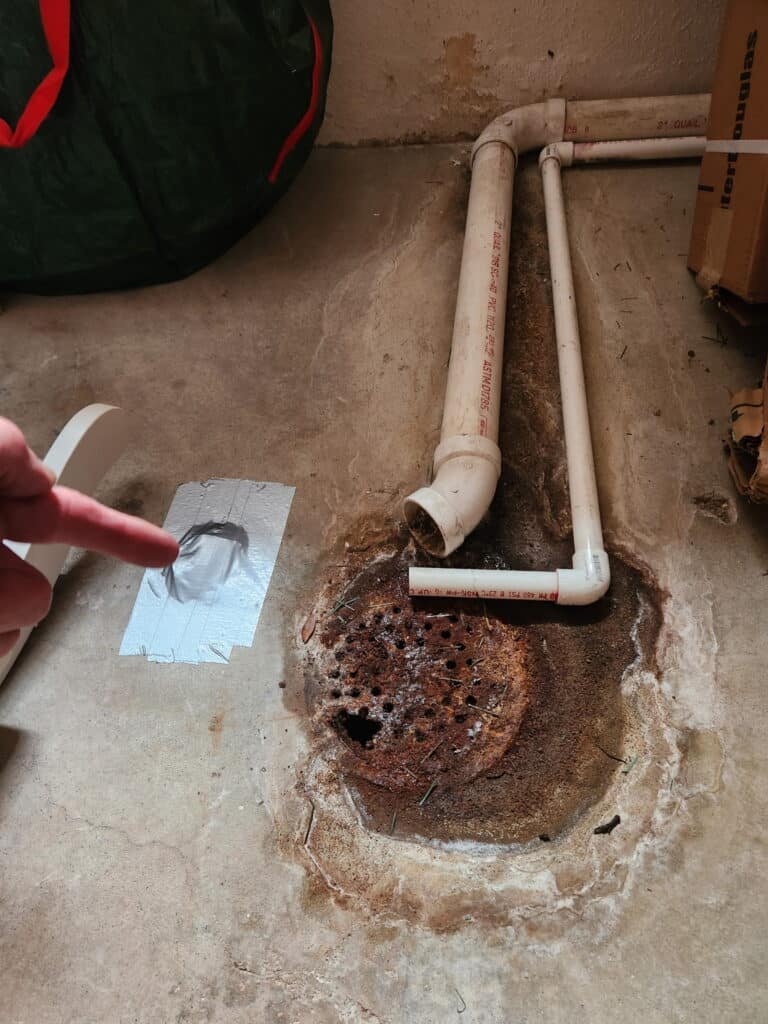
Sewer Gas Leaks to Fix - Denver
Problem:Seal sewer gas opening in the piping
Found:sewer smell issues after smoke test. Cut and caulked old line by ice maker box that was left open a long time ago.
Fixed:Sealed old pipe next to floor drain that had been cut off and was no longer in use . Stuffed rag in hole and filled up with hydraulic cement.
Our sewer cleanout process combines thorough diagnostics with targeted cleaning methods to address your specific blockage type. We don't apply generic solutions – we identify the problem first, then select the most effective approach for your situation.
Our Step-by-Step Sewer Cleanout Process
Initial assessment – We locate your cleanout access points, evaluate symptoms throughout your home, and discuss the history of drainage issues you've experienced
Video camera inspection – A waterproof camera travels through your sewer line, transmitting real-time footage that reveals blockage locations, pipe conditions, and root intrusion points
Blockage identification – We determine whether you're dealing with grease accumulation, root infiltration, foreign objects, pipe damage, or a combination of factors
Cleaning method selection – Based on inspection findings, we choose the appropriate technique from mechanical snaking to hydro-jetting
Line clearing – Our technicians clear the obstruction using professional-grade equipment calibrated for your pipe material and condition
Post-cleaning verification – A follow-up camera inspection confirms complete blockage removal and documents the cleared line's condition
Maintenance recommendations – We provide specific guidance based on what we observed, including any developing concerns that warrant monitoring
Cleaning Methods We Employ
Mechanical cable cleaning – Rotating steel cables with various cutting heads break through soft blockages and cut root masses
Hydro-jetting – High-pressure water streams scour pipe walls clean, removing grease buildup and flushing debris completely
Sectional cleaning – Targeted approach for localized blockages without disturbing the entire line
Root cutting with chemical treatment – Removes existing root masses while applying root-inhibiting compounds to slow regrowth
Communication Throughout the Process
You'll never wonder what's happening with your sewer line. We show you camera footage, explain what we're seeing, and discuss options before proceeding. After completing the work, you receive documentation of findings and recommendations for ongoing maintenance.
Why Choose Cardom Plumbing & Heating
Sewer problems don't wait for convenient timing. Cardom Plumbing & Heating maintains the equipment, training, and availability to respond when Denver homeowners need help most. Our technicians hold current certifications and complete ongoing education in the latest diagnostic and cleaning technologies.
What Sets Us Apart
Local expertise – We understand Denver's specific soil conditions, infrastructure history, and seasonal challenges because we live and work here
Advanced diagnostics – Our camera inspection equipment provides clear footage and precise location data for accurate problem identification
Appropriate solutions – We match cleaning methods to your specific situation rather than applying one-size-fits-all approaches
Transparent communication – You see what we see and understand your options before any work begins
Follow-up support – We stand behind our work and remain available if questions arise after service completion
Our technicians arrive prepared with professional-grade equipment – from high-torque cable machines to commercial hydro-jetting systems capable of handling the toughest blockages. We invest in proper tools because effective sewer cleaning requires more than hardware-store equipment.
Cardom Plumbing & Heating serves the entire Denver metro area, responding promptly to both routine maintenance requests and urgent backup situations. When sewage threatens your home, waiting isn't an option – and neither is trusting your sewer line to inexperienced technicians.
Denver's housing stock reflects distinct construction eras, each presenting unique sewer system characteristics. Understanding your home's age and original plumbing materials helps predict potential problems and appropriate maintenance approaches.
Pre-1950s Construction
Historic neighborhoods like Capitol Hill, Park Hill, and Congress Park feature homes with original clay tile sewer lines. These segmented pipes connect with mortar joints that deteriorate over decades, creating entry points for roots and allowing soil infiltration.
Clay tile pipes with vulnerable mortar joints
Shallower burial depths common in older installations
Potential for pipe misalignment from decades of soil movement
Often feature basement floor drains connected directly to sewer lines
1950s-1970s Development
Post-war expansion brought Orangeburg pipes – a tar-impregnated fiber material – to many Denver neighborhoods including parts of Lakewood, Wheat Ridge, and Aurora. These pipes have largely exceeded their intended lifespan and frequently collapse or deform.
Orangeburg pipes prone to crushing and deformation
Early cast iron drain lines showing corrosion
Concrete sewer pipes in some developments
Longer runs to municipal connections as subdivisions expanded outward
1980s-Present Construction
Modern Denver homes typically feature PVC or ABS plastic sewer lines with glued joints. While more durable than earlier materials, these systems still experience blockages from improper use and root intrusion at connection points.
PVC/ABS plastic with solvent-welded joints
Deeper burial for frost protection
Cleanout access points typically installed at code-required intervals
Denver Water draws from multiple mountain watersheds, delivering water that's moderately hard with mineral content that accumulates in pipes over time. While treatment removes pathogens and adjusts pH, the dissolved minerals remain – contributing to scale buildup that narrows pipe diameter and catches debris.
Calcium and magnesium deposits create rough interior surfaces
Scale accumulation reduces effective pipe diameter over years
Mineral buildup provides anchoring points for grease and organic matter
Soil Composition and Drainage Effects
Denver sits on expansive clay soils – primarily bentonite – that swell significantly when absorbing moisture and shrink during dry periods. This constant movement exerts pressure on buried sewer lines, shifting pipe alignments and opening joints.
Soil expansion pressures can exceed 10,000 pounds per square foot
Seasonal moisture changes create pipe bellies where debris settles
Clay soil holds moisture against pipe exteriors, accelerating deterioration
Poor natural drainage keeps soil saturated longer after precipitation
Climate Impact on Sewer Systems
Denver's 5,280-foot elevation creates unique climate conditions affecting sewer infrastructure. Intense summer sun heats exposed cleanout caps and above-grade connections, while winter brings repeated freeze-thaw cycles that stress pipe materials.
Ground freezing depths reach 30-36 inches in severe winters
Rapid temperature swings stress pipe joints and connections
Low humidity accelerates P-trap evaporation, allowing sewer gas entry
Afternoon thunderstorms can overwhelm combined sewer sections in older areas
Spring snowmelt increases groundwater pressure on sewer lines
Denver Sewer Infrastructure and Municipal System Data
Denver's sewer system represents over a century of continuous development and expansion. Metro Wastewater Reclamation District serves approximately 1.8 million residents across the Denver metro area, processing an average of 130 million gallons of wastewater daily. Understanding this infrastructure context helps homeowners recognize how their private sewer lines connect to and interact with the larger municipal system.
The city maintains both separate sanitary sewer systems and older combined sewer sections in central Denver. Combined sewers – carrying both wastewater and stormwater – exist primarily in neighborhoods developed before 1960. During heavy rainfall, these combined systems can become overwhelmed, causing backups into connected properties. The city has invested significantly in separation projects, but many older connections remain.
Key Infrastructure Statistics
System age – Portions of Denver's sewer infrastructure date to the 1880s, with major expansion occurring in the 1950s-1970s
Pipe materials in use – Municipal mains include vitrified clay, concrete, brick, cast iron, and modern PVC depending on installation era
Combined sewer areas – Approximately 3,000 acres of central Denver still drain to combined sewer systems
Annual blockage calls – Denver 311 receives thousands of sewer-related service requests annually, with peaks during spring snowmelt and summer monsoon season
Root intrusion prevalence – Tree roots represent the leading cause of residential sewer blockages in established Denver neighborhoods
Private sewer laterals – the pipes connecting your home to municipal mains – remain the homeowner's responsibility from the house to the property line or tap connection. These laterals average 50-100 feet in length and pass through the soil conditions most affected by Denver's expansive clays. Regular cleanout maintenance prevents minor accumulations from becoming complete blockages that threaten your home with sewage backup.
A sewer cleanout is an access point to the main sewer line that allows for easy cleaning and maintenance. It provides direct access to clear blockages, remove debris, and restore proper flow in your plumbing system.
In Denver, a sewer cleanout is crucial due to the city's aging infrastructure and unique soil conditions. Regular cleanouts help prevent sewage backups and extend the lifespan of your sewer system, especially in areas with clay soils that can shift and cause blockages.
It's generally recommended to have your sewer cleanout serviced every 1 to 2 years, depending on your plumbing usage and local conditions. If you notice slow drains or unpleasant odors, it may be time for an inspection.
Common signs include slow drains, gurgling sounds from toilets, and unpleasant odors from floor drains. These symptoms indicate that there may be a blockage or buildup in your sewer line that requires professional cleaning.
While some homeowners may attempt to clean their sewer lines, it's often best to hire professionals. They have the right tools and expertise to safely and effectively clear blockages without damaging your plumbing.
Blockages can be caused by a variety of factors, including tree root intrusion, grease buildup, and debris accumulation. In Denver, the unique soil conditions and aging pipes can also contribute to these issues.
Professionals typically use specialized equipment like hydro-jetting or augers to clear blockages in sewer lines. These methods effectively remove debris and restore proper flow, addressing the root cause of the problem.