Boulder homeowners face unique sewer line challenges that require specialized attention and local expertise. Our sewer cleanout services effectively address blockages, ensuring wastewater flows freely and preventing serious backups.
Sewer cleanouts involve accessing main lines through cleanout ports to remove blockages and debris. Professional equipment like hydro-jetting and video inspection is essential for accurate diagnosis and clearing.
Boulder's unique geography and aging infrastructure create specific sewer issues, including root intrusion and mineral scale buildup. Our team understands these local challenges and employs tailored solutions.
We prioritize clear communication and transparency throughout the service process, providing upfront diagnoses and detailed documentation of our work to ensure customer satisfaction.
What is a sewer cleanout?
A sewer cleanout is an access point in a home's sewer system that allows for easy cleaning and maintenance of the sewer line. It helps to clear blockages and enables plumbers to inspect the sewer line, ensuring that wastewater flows freely and preventing backups that can affect various fixtures in the home.
Sewer Cleanout Services in Boulder, CO
That unmistakable sewage odor rising from your drains or the slow gurgling sound echoing through your bathroom pipes signals something serious happening underground. When wastewater can't flow freely through your sewer line, the backup affects every fixture in your home – from kitchen sinks to basement floor drains. Boulder homeowners face unique sewer line challenges that demand specialized attention and local expertise.
A sewer cleanout involves accessing your main sewer line through designated cleanout ports to remove blockages, debris, and buildup that restrict wastewater flow. This process requires professional-grade equipment including motorized augers, hydro-jetting systems, and video inspection cameras to diagnose problems accurately and clear obstructions completely. Without proper cleanout procedures, partial blockages worsen over time, leading to raw sewage backups into living spaces.
Why Professional Sewer Diagnosis Matters
Boulder's combination of aging infrastructure, mineral-rich water, and dramatic elevation changes creates sewer conditions unlike anywhere else along the Front Range. Tree roots from mature landscaping penetrate clay pipe joints. Sediment from mountain runoff accumulates in lines. Freeze-thaw cycles shift pipe alignments. Professional diagnosis identifies the specific cause before treatment begins.
Accurate identification of blockage location and composition using video inspection technology
Cardom Plumbing & Heating provides Sewer Cleanout services in all neighborhoods of Boulder including Arapahoe Ridge, Dakota Ridge, East Aurora, Frazier Meadows, Goss-Grove, Holiday, Keewaydin, Martin Acres, Meadow Glen, Park East, Promontory North, Table Mesa, The Hill, The Promontory, Washington Village, and Wonderland Hills.
Boulder's geography and infrastructure create a distinct set of sewer challenges for property owners. The city sits at 5,430 feet elevation where temperature swings of 40 degrees in a single day aren't unusual. These rapid fluctuations stress pipe materials and joints, particularly in older neighborhoods where original clay or Orangeburg sewer lines remain in service decades past their intended lifespan.
The area's famously hard water – measuring 150-200 parts per million of dissolved minerals – leaves calcium and magite deposits along pipe interiors. Over years, this mineral scaling reduces pipe diameter and creates rough surfaces where grease, soap residue, and organic matter accumulate. Combined with Boulder's extensive tree canopy, where mature cottonwoods, willows, and aspens send roots searching for moisture, sewer lines face constant pressure from multiple directions.
Seasonal Timing Factors
Spring snowmelt season brings particular risk as saturated soil shifts around buried pipes. Late summer thunderstorms can overwhelm aging systems with sudden water volume. Winter freezing affects shallow pipe sections, especially in properties with inadequate burial depth or those located on north-facing slopes where ground stays frozen longer.
Tree root intrusion – Boulder's urban forest includes aggressive species whose roots travel 50+ feet seeking sewer line moisture and nutrients
Mineral scale buildup – Hard water deposits narrow pipe interiors by 20-30% over decades of accumulation
Pipe material degradation – Clay, cast iron, and Orangeburg pipes from pre-1970s construction crack and collapse
Ground movement – Expansive clay soils common in certain Boulder neighborhoods shift with moisture changes
Grease accumulation – Restaurant and residential cooking oils solidify in cooler underground temperatures
Foreign object blockages – Wipes, feminine products, and debris that survive garbage disposals lodge at pipe joints
Warning Signs Requiring Immediate Attention
Multiple slow drains throughout your home indicate main line problems rather than individual fixture clogs. Sewage odors near floor drains or cleanout caps suggest backup pressure. Water pooling in your yard above the sewer line path points to potential line breaks. Gurgling sounds when flushing toilets reveal venting issues or downstream blockages.
Recent Work
Sewer Line Replacement - Boulder
Problem:Deposit for sewer line replacement
Found:Old sewer line.
Fixed:Installatio of the entire drain system in the crapwlspace.
Outcome:Test all new piping and no leaks. Water in ditch receded after line was replaced. Backfilled ditch and cleaned up jobsite.
Sewer backing up in home - Boulder
Problem:Backed up sewer main
Found:Find out why sewer is backing up in home and clear line if possible.
Fixed:Run cable 3 times and it wasn’t until the 2nd time that I pulled back a small root ball. I then switched to a bigger root cutting head, and ran again and was able to open the sewer all the way up. I ran all sinks and toilets inside while snaking it one additional time to push eveything to the main.
Outcome:Tested for 15 minutes with no issues found.
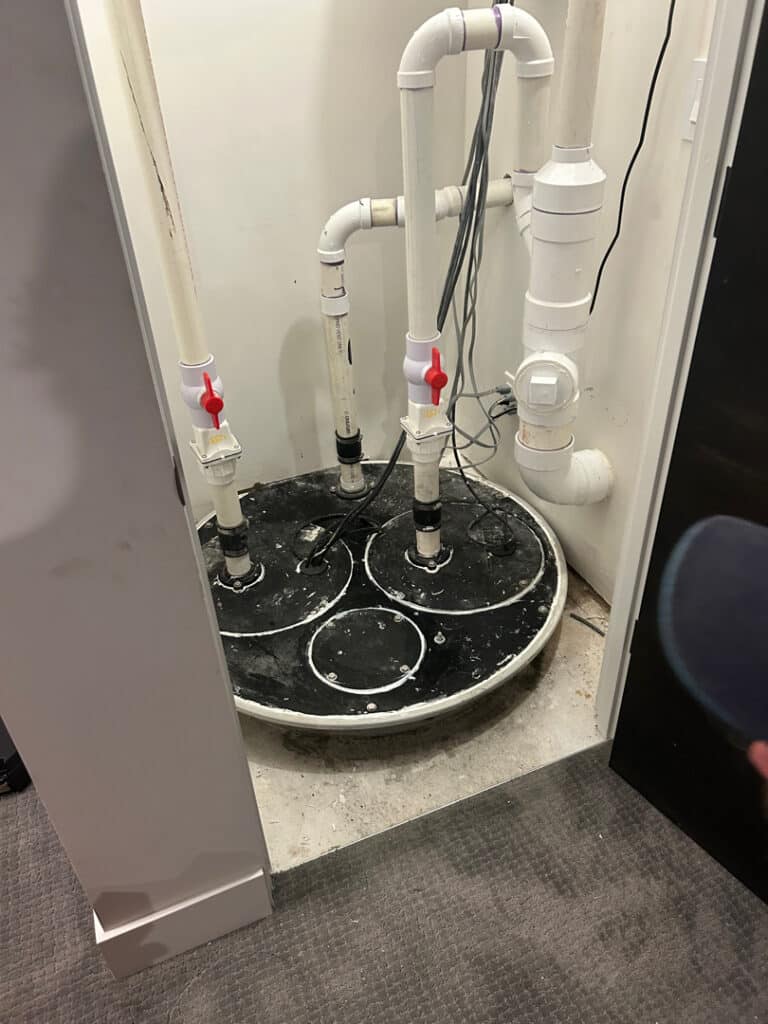
Seal Up Sewage Ejector So it Does Not Leak - Boulder
Problem:Pull lid on sewage ejector and seal inside where the waste line enters the pit
Found:Found extension rings on the old ejector pit. They had settled to one side.
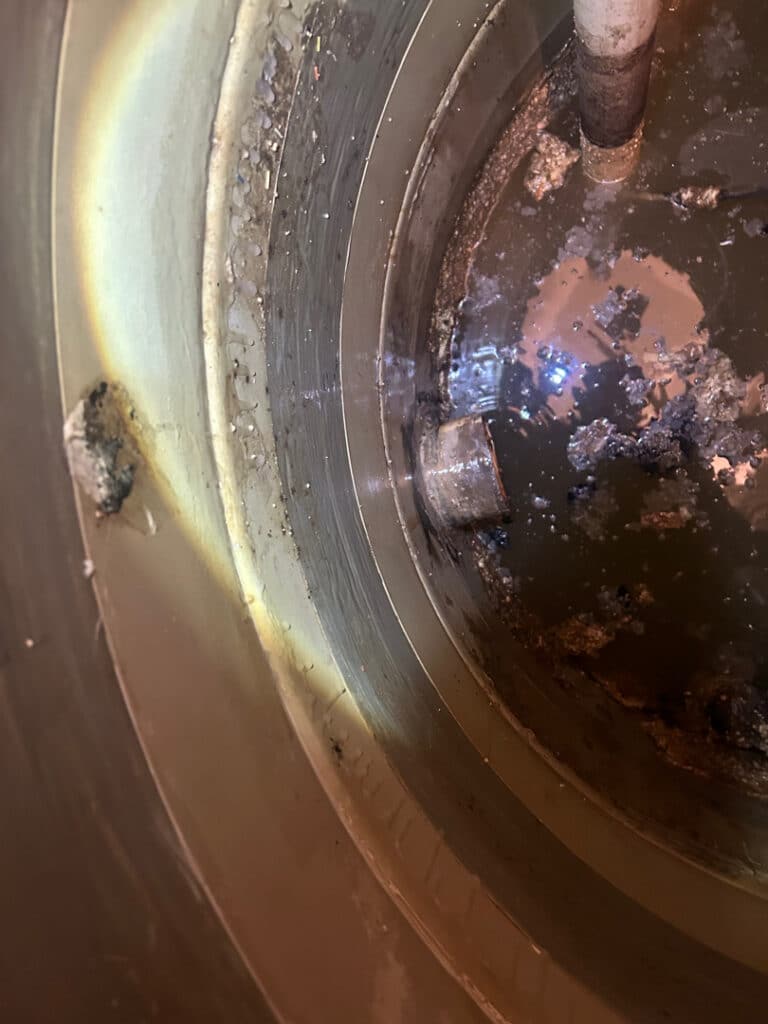
Fixed:Picked up some two part epoxy to fill the gap. Put camera down the line to inspect the line coming into the pit. It is not perfect but it is not broken at all. It appears that the pit is not bedded properly and is sinking which may be causing the riser pieces to separate. WE applied the epoxy generously and sealed all gaps that we could see. Reinstalled the lid and bolted it down. Sealed with silicone.
How Cardom Plumbing & Heating Resolves Sewer Blockages
Our sewer cleanout process follows a systematic approach designed to identify problems accurately, clear blockages completely, and prevent recurrence. We bring professional equipment and local experience to every service call.
Our Step-by-Step Sewer Cleanout Process
Initial assessment and cleanout access – We locate your sewer cleanout ports, assess their condition, and determine the best entry point for inspection and cleaning equipment
Video camera inspection – A waterproof camera travels through your sewer line, transmitting real-time footage that reveals blockage location, pipe condition, and root intrusion severity
Blockage analysis and method selection – Based on inspection findings, we select the appropriate clearing technique – mechanical augering for solid blockages, hydro-jetting for grease and scale, or specialized root-cutting heads for intrusion
Line clearing and debris removal – Our technicians clear the obstruction while protecting pipe integrity, adjusting pressure and cutting head selection based on pipe material and condition
Post-clearing verification – A second camera inspection confirms complete blockage removal and documents any underlying pipe damage requiring future attention
System testing and restoration – We run water through all fixtures to verify proper drainage, check cleanout cap seals, and restore any disturbed landscaping around access points
Methods and Techniques We Deploy
Mechanical cable augering – Rotating steel cables with various cutting heads break through solid blockages and cut root masses
High-pressure hydro-jetting – Water pressure up to 4,000 PSI scours pipe walls clean, removing grease, scale, and debris buildup
Sectional cable machines – Modular equipment navigates tight cleanout openings and sharp pipe bends common in Boulder's hillside properties
Locating equipment – Electronic transmitters pinpoint blockage locations for targeted excavation when necessary
Communication Throughout Service
We share video inspection footage with you during the diagnostic phase, explaining what we're seeing and recommending appropriate solutions. After clearing, you receive documentation of the work performed and any maintenance recommendations based on your line's specific condition.
Why Choose Cardom Plumbing & Heating
Cardom Plumbing & Heating brings decades of combined experience working specifically with Boulder's unique plumbing infrastructure. Our technicians hold Colorado state plumbing licenses and maintain ongoing training in the latest sewer inspection and cleaning technologies. We understand the specific challenges posed by Boulder's geology, water chemistry, and housing stock – knowledge that comes only from years of hands-on local work.
When sewer emergencies strike, response time matters. Raw sewage backup creates health hazards and property damage that worsen by the hour. Our service area focus on Boulder and surrounding communities means shorter response times and technicians who arrive prepared with equipment suited to local conditions. We stock parts and supplies for the pipe materials most common in Boulder homes, from vintage clay and cast iron to modern PVC and ABS.
Our Service Commitments
Upfront diagnosis – We identify the problem before recommending solutions, using video inspection rather than guesswork
Transparent pricing – You receive clear cost information before work begins, with no surprise charges for standard equipment or procedures
Workmanship backing – Our cleanout services include follow-up support if drainage issues persist after our visit
Property respect – We protect your landscaping, clean work areas thoroughly, and leave your property as we found it
Our investment in professional-grade inspection cameras and hydro-jetting equipment means we can handle blockages that defeat consumer-grade tools. When video inspection reveals pipe damage requiring repair or replacement, we provide honest assessments and multiple solution options rather than pushing unnecessary excavation.
Boulder's housing stock spans more than a century of construction methods and plumbing materials. Understanding your home's era helps predict sewer line composition and common failure points.
Historic and Mid-Century Properties
Homes built before 1950 in neighborhoods like Mapleton Hill, Whittier, and University Hill typically feature clay tile sewer lines with lead-sealed joints. These systems have often exceeded their 50-75 year design life. Common issues include:
Joint separation allowing root intrusion at every connection point
Pipe crushing from soil settlement and surface loads
Interior scaling from decades of mineral-rich water flow
Offset joints creating debris catch points
Properties from the 1950s through 1970s may contain Orangeburg pipe – a tar-impregnated fiber material that deforms and collapses over time. Neighborhoods developed during this era including Table Mesa, Martin Acres, and portions of North Boulder require careful inspection before aggressive cleaning methods are used.
Modern Construction Considerations
Homes built after 1980 generally feature PVC or ABS plastic sewer lines with solvent-welded joints. While more durable than older materials, these systems still experience:
Bellied sections from improper bedding or soil movement
Root intrusion at fitting connections
Grease and debris accumulation at grade changes
Damage from construction activity or landscape installation
Boulder's hillside properties present additional challenges. Homes in Chautauqua, Wonderland, and the foothills often have longer sewer runs with multiple direction changes to navigate terrain. These configurations require specialized equipment and techniques for effective cleaning.
Boulder's municipal water supply originates from mountain snowmelt collected in reservoirs including Barker, Lakewood, and Boulder Reservoir. While this source water is relatively pure, it picks up calcium and magnesium as it travels through limestone formations. The resulting hardness – typically 8-12 grains per gallon – leaves mineral deposits throughout plumbing systems including sewer lines.
Over decades, these deposits create rough interior surfaces that trap grease, soap residue, and organic matter. Professional hydro-jetting removes this scaling while mechanical augering alone often leaves deposits intact, leading to faster re-blockage.
Soil Composition and Drainage Effects
Boulder County contains diverse soil types that affect buried sewer infrastructure differently:
Expansive clay soils – Common in eastern Boulder neighborhoods, these soils swell when wet and shrink when dry, creating movement that stresses pipe joints
Rocky substrates – Foothills properties often have minimal soil cover over bedrock, limiting burial depth and exposing pipes to temperature extremes
Alluvial deposits – Areas near Boulder Creek contain sandy, well-draining soils that shift during flood events
High water tables – Low-lying neighborhoods experience groundwater infiltration through pipe joints, adding volume to sewer systems
Climate Impacts on Sewer Systems
Boulder averages 300+ days of sunshine annually, but temperature extremes stress underground infrastructure. Winter nights regularly drop below zero while afternoon sun warms exposed surfaces above freezing. This freeze-thaw cycling affects shallow pipe sections and cleanout risers particularly. Summer thunderstorms deliver intense rainfall that can overwhelm aging systems, while extended dry periods allow roots to aggressively seek moisture in sewer lines.
Boulder Sewer Infrastructure and Service Area Data
Boulder's municipal sewer system serves approximately 105,000 residents through more than 300 miles of collection lines maintained by the city's Utilities Division. The system processes an average of 8-10 million gallons of wastewater daily, with volume increasing significantly during University of Colorado academic sessions when student population swells.
The city's sewer infrastructure reflects Boulder's development history. Downtown and older residential areas connect to clay and concrete trunk lines installed in the early-to-mid 20th century. Newer developments utilize PVC collection mains, but private lateral lines connecting homes to public mains remain the property owner's responsibility – including maintenance and repair.
Key Infrastructure Statistics
Average age of Boulder's public sewer mains exceeds 45 years in established neighborhoods
Private sewer laterals typically run 30-100 feet from home to public main, depending on lot configuration
The city's wastewater treatment facility operates at 75th Street, processing flows from across the service area
Boulder experiences approximately 200 sewer-related service calls monthly, with volume increasing during spring runoff and after heavy storms
Root intrusion accounts for an estimated 40% of private lateral blockages in tree-dense neighborhoods
Service Area Considerations
Cardom Plumbing & Heating serves Boulder and surrounding communities including Louisville, Lafayette, Superior, and unincorporated Boulder County. Our familiarity with local infrastructure means we arrive prepared with appropriate equipment for each area's typical pipe materials and configurations. Properties served by septic systems rather than municipal sewer require different approaches – our technicians assess connection type during initial diagnosis to ensure proper treatment methods.
Boulder's commitment to environmental protection extends to sewer maintenance. The city encourages regular private lateral inspection and cleaning to prevent blockages that can cause overflows into Boulder Creek and other waterways. Proactive maintenance protects both your property and the broader community.
A sewer cleanout is an access point in your sewer line that allows for the removal of blockages, debris, and buildup. It typically involves using specialized equipment to clear obstructions and ensure wastewater flows freely through the system.
A sewer cleanout is necessary to prevent sewage backups in your home. When wastewater cannot flow properly, it can lead to unpleasant odors and potential health hazards, affecting all plumbing fixtures in your property.
It's recommended to have your sewer cleanout inspected and serviced every 1 to 2 years, especially in areas with older infrastructure or heavy tree roots. Regular maintenance helps identify potential issues before they become serious problems.
Common signs include slow drains, gurgling sounds from pipes, and unpleasant sewage odors. If you notice any of these symptoms, it may indicate a blockage that requires professional cleaning.
While some homeowners may attempt to clear minor clogs, it's best to hire professionals for sewer cleanouts. They have the right tools and expertise to safely and effectively address blockages without damaging your plumbing.
Professionals typically use motorized augers, hydro-jetting systems, and video inspection cameras during a sewer cleanout. These tools help diagnose issues accurately and clear obstructions thoroughly.
To prevent future issues, avoid flushing non-biodegradable items down the toilet and be mindful of what goes down your drains. Regular maintenance and inspections can also help catch potential problems early.