Gas leaks in Westminster, CO require immediate professional attention due to safety concerns and unique local challenges. Our comprehensive repair process ensures accurate identification and resolution of gas line issues, tailored to the specific conditions of the area.
Gas leaks can be subtle, often indicated by a sulfur smell or unusual sounds near appliances. Residents should monitor for signs like dead vegetation or higher gas bills.
Our technicians utilize advanced electronic detection and pressure testing to locate leaks that may not be visible during standard inspections.
We prioritize safety and compliance, providing detailed documentation of repairs and ongoing support to maintain your gas system's integrity.
What is gas leak repair in Westminster, CO?
Gas leak repair in Westminster, CO involves identifying and fixing leaks in gas lines to ensure safety in homes and businesses. Due to unique challenges like aging infrastructure and elevation-related pressure issues, professional intervention is crucial to address these leaks promptly and maintain system integrity.
Gas Leak Repair in Westminster, CO
That faint sulfur smell near your water heater or furnace isn't something to ignore. Gas leaks in residential and commercial properties demand immediate attention – your safety depends on swift, professional intervention. Westminster homeowners face unique challenges when it comes to gas line integrity, from aging infrastructure in established neighborhoods to elevation-related pressure considerations that affect system performance.
Gas leak repair encompasses the complete process of identifying, locating, and sealing compromised sections of your gas distribution system. This includes lines running to furnaces, water heaters, stoves, dryers, and outdoor grills. Professional diagnosis matters here more than with almost any other plumbing or heating service because gas leaks can remain hidden behind walls, beneath foundations, or in crawl spaces where they accumulate undetected.
Professional electronic detection identifies leaks invisible to standard inspections
Proper repair techniques prevent recurring failures at connection points and joints
Code-compliant work protects your family and maintains home insurance validity
Documentation of repairs supports future property transactions and inspections
Westminster's semi-arid climate creates temperature swings that stress gas line connections throughout the year. Homes built during the city's rapid expansion periods – particularly the 1970s through 1990s – often feature gas line materials and installation methods that require specialized repair approaches. Understanding these local factors shapes how we approach every gas leak call in your neighborhood.
Cardom Plumbing & Heating provides Gas Leak Repair services in all neighborhoods of Westminster including Abbey, Arrowhead, Berkley, Bradburn, Cedar Bridge, Downtown Westminster, Eagles Landing at Church Ranch, Hillcrest, Home Farm, Huntington Trails, Madison Hill, Northridge Manor, The Meadows at Timber Lake, Wallace Village, Westcliff, and Westfield Village.
Westminster sits at approximately 5,400 feet elevation, where atmospheric pressure differences affect gas system calibration and pipe stress patterns. The city's housing stock spans multiple construction eras, each bringing distinct gas line materials – from older galvanized steel to flexible corrugated stainless steel tubing (CSST) in newer builds. These variations create different failure modes that Westminster plumbers encounter regularly.
Seasonal temperature extremes hit gas systems hard in this region. Winter nights dropping below zero cause metal contraction, while summer days exceeding 90 degrees create expansion. This constant cycling loosens threaded connections and stresses solder joints over time. Ground movement from Colorado's expansive clay soils adds another dimension – shifting foundations can torque gas lines running beneath slabs or through crawl spaces.
Local Factors Contributing to Gas Leak Needs
Soil composition: Westminster's bentonite clay expands and contracts dramatically with moisture changes, shifting foundations and stressing buried gas lines
Temperature cycling: Daily temperature swings of 30-40 degrees are common, accelerating joint fatigue at connection points
Infrastructure age: Many neighborhoods feature gas lines installed 30-50 years ago, approaching or exceeding typical service life
Elevation effects: Lower atmospheric pressure at altitude requires specific regulator settings – improper calibration increases stress on system components
Construction boom legacy: Rapid development periods sometimes resulted in installation shortcuts now manifesting as failures
Rodent activity: Prairie dog and mouse populations can damage flexible gas lines in crawl spaces and utility areas
Warning Signs Westminster Residents Should Monitor
Gas leaks rarely announce themselves dramatically. Watch for these indicators:
Rotten egg or sulfur odor near appliances or along exterior walls
Hissing or whistling sounds near gas line connections
Dead vegetation patches in your yard above buried gas lines
Higher-than-normal gas bills without increased usage
Pilot lights that repeatedly extinguish
Visible corrosion on exposed gas piping in utility areas
Our gas leak repair process follows a systematic approach designed to locate problems accurately and resolve them permanently. We've refined these methods through years of service throughout the Westminster area, adapting our techniques to address the specific challenges this region presents.
Our Gas Leak Repair Process
Initial safety assessment: Upon arrival, we evaluate immediate hazards and ensure occupant safety before beginning diagnostic work
Electronic leak detection: Using combustible gas detectors and pressure testing equipment, we systematically trace your gas lines to pinpoint leak locations
Visual inspection: We examine all accessible connections, joints, and appliance hookups for corrosion, damage, or improper installation
Pressure testing: Isolating sections of your gas system allows us to identify compromised segments even when leaks aren't immediately detectable
Repair execution: Based on findings, we perform appropriate repairs – from tightening connections to replacing damaged line sections
Post-repair verification: Every repair undergoes pressure testing and electronic scanning to confirm complete resolution
System documentation: We provide detailed records of work performed, locations addressed, and any recommendations for future monitoring
Repair Methods and Techniques
Different leak scenarios require different solutions. Our technicians are equipped to handle the full range:
Threaded connection re-sealing using appropriate thread compounds rated for natural gas
Flare fitting replacement on flexible connector lines
Section replacement for corroded or damaged rigid pipe
CSST bonding corrections to address installation deficiencies
Appliance connector upgrades when existing lines show wear
Regulator replacement and recalibration for pressure-related issues
Throughout the process, we maintain clear communication about findings, options, and progress. You'll understand exactly what we've discovered and why we're recommending specific repairs before any work begins.
Why Choose Cardom Plumbing & Heating
Gas work demands specialized training and certification beyond standard plumbing credentials. Our technicians hold current gas fitter certifications and participate in ongoing education covering the latest detection technologies and repair methods. We maintain all required licensing for gas line work in Westminster and Adams County – a distinction not every plumbing company can claim.
Local knowledge shapes our effectiveness. We understand which Westminster subdivisions feature specific construction methods, what gas line materials were common during different building periods, and how local soil conditions affect underground systems. This familiarity translates to faster diagnosis and more targeted repairs.
What Sets Our Service Apart
24/7 emergency response: Gas leaks don't wait for business hours – neither do we
Code compliance: All repairs meet current building codes and utility company requirements
Follow-up commitment: We stand behind our work and remain available for any post-repair concerns
Coordination assistance: We help navigate utility company requirements and inspection processes when needed
Our approach prioritizes getting your gas system back to safe operation while addressing underlying issues that could cause future problems. We don't just patch leaks – we evaluate system condition and provide honest assessments of what your gas lines need now and in coming years.
Recent Work
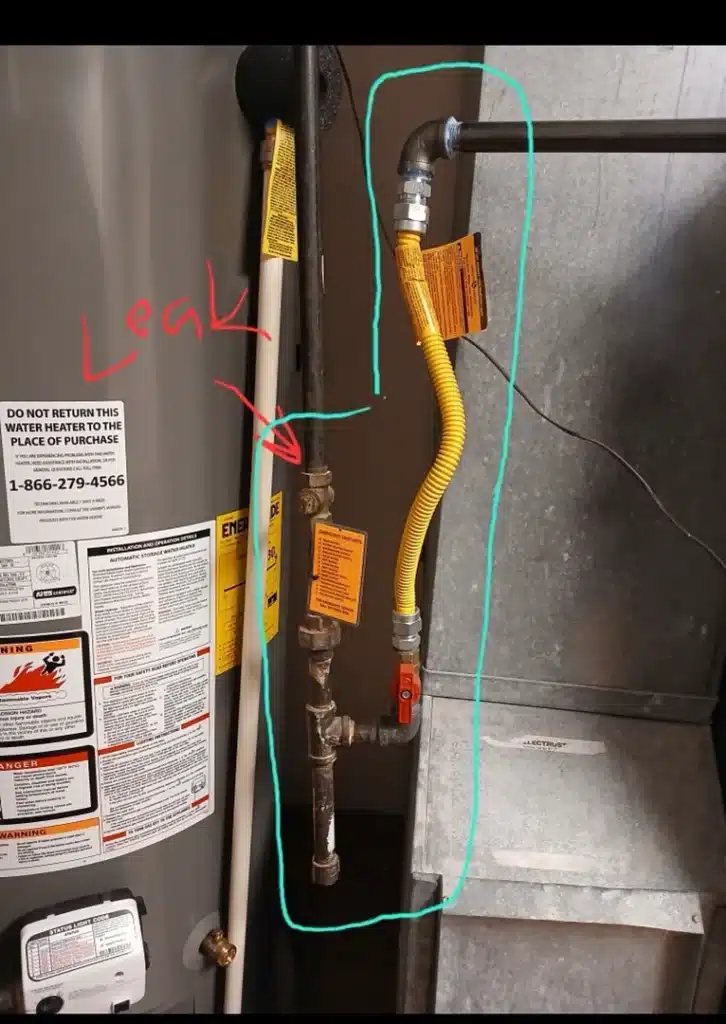
Gas leak - Westminster
Problem:Gas valve problem.
Found:Old and leaking gas valve.
Fixed:Replace old and leaking gas valve. Replace union on gas line.
Outcome:Tested and cleaned up
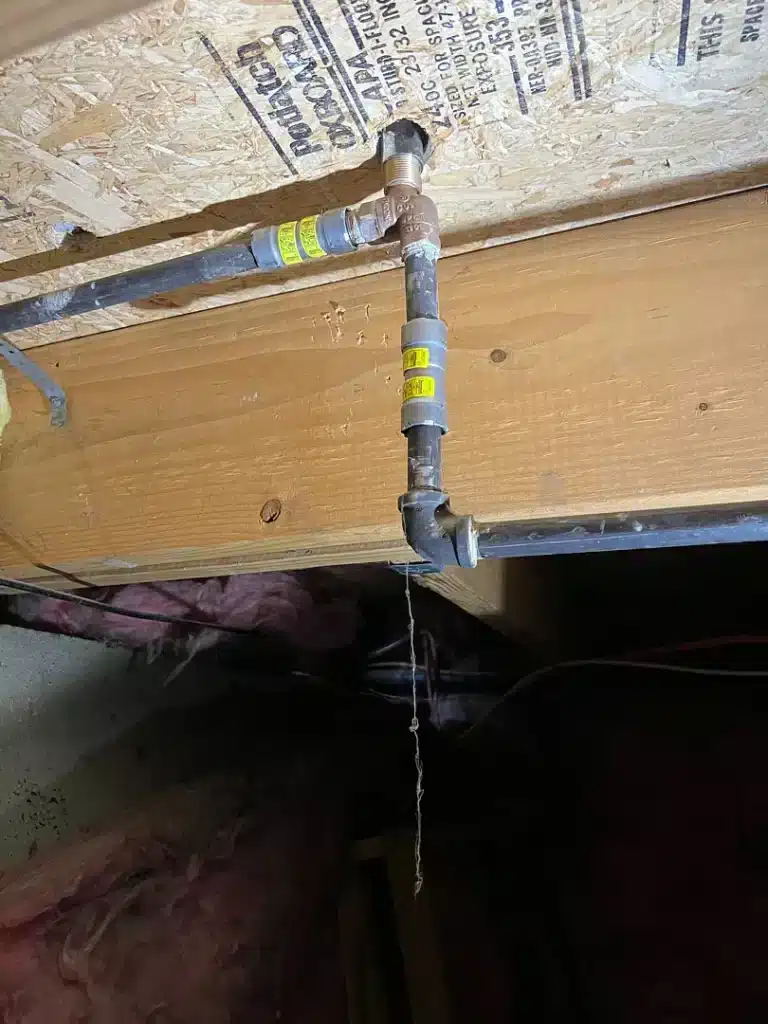
Cap Flex Gas Line - Westminster
Problem:Cap gas line problem.
Found:Old flex, valve and plugged.
Fixed:Pulled old flex and valve and plugged with 1/2 black plug and pipe sealant.
Outcome:Tested for leaks.
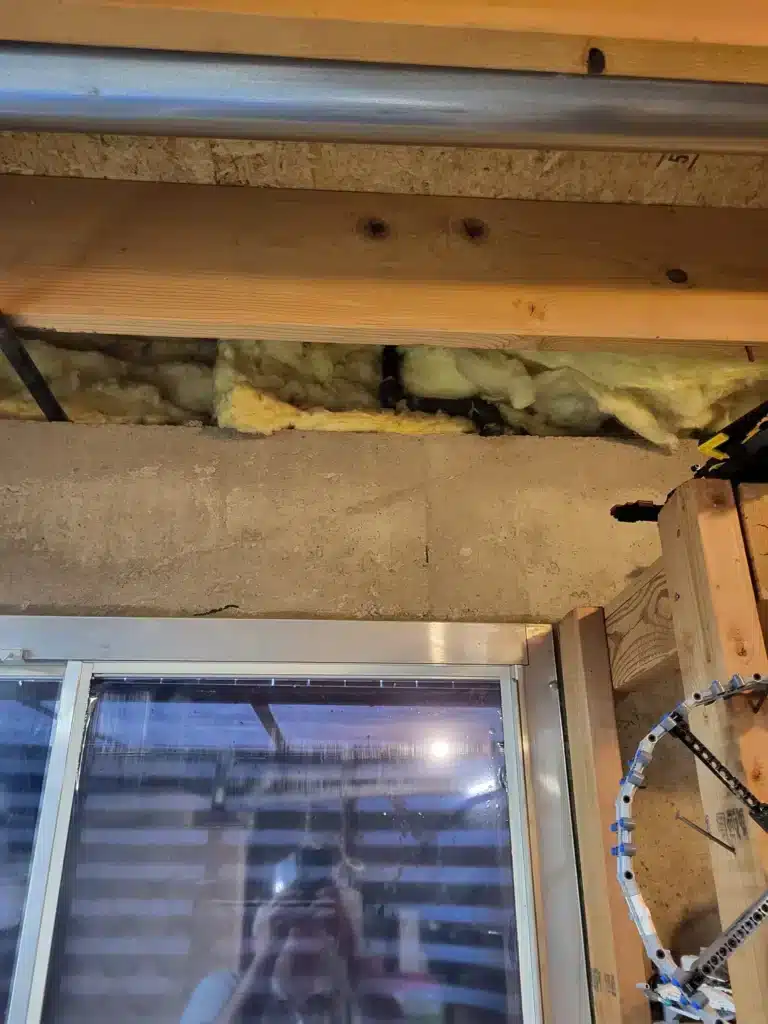
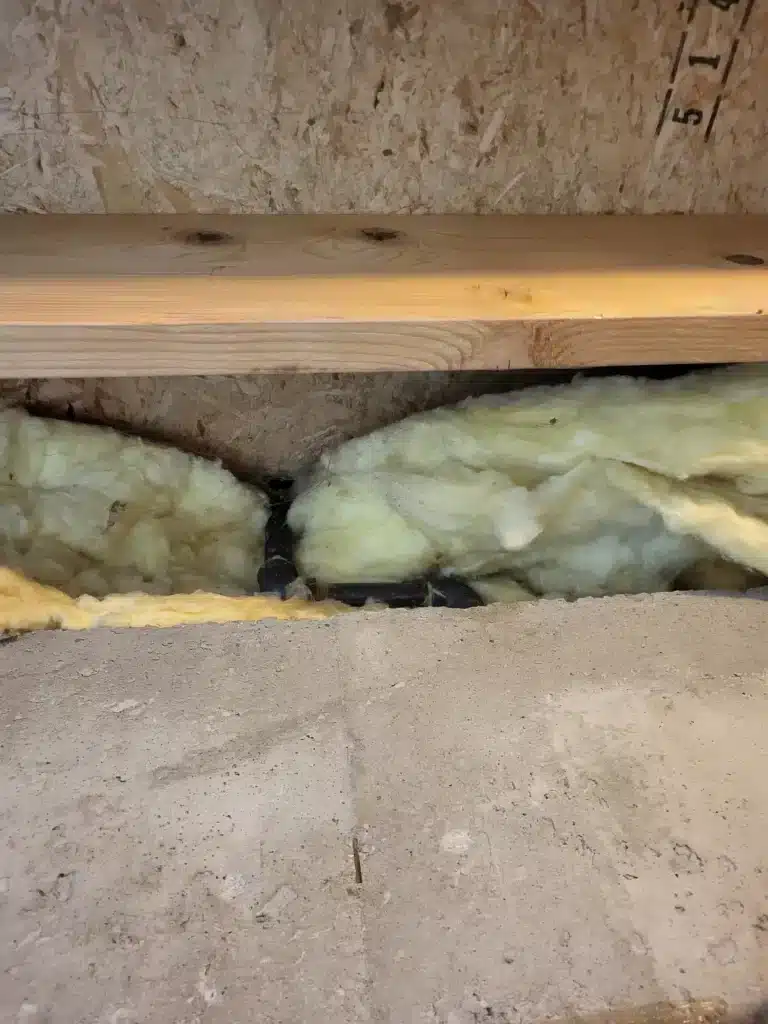
Gas Log Lighting Valve Installation - Westminster
Problem:Gas valve
Found:Old gas log lighter valve
Fixed:Replaced and install new old gas log lighter valve.
Housing Characteristics & Gas Leak Repair Considerations
Westminster's housing stock tells a story of Colorado's Front Range growth patterns. The city experienced major development waves that each brought distinct construction practices and materials – factors that directly influence gas leak repair approaches today.
Construction Era Breakdown
Pre-1970 homes: Often feature galvanized steel gas lines with threaded connections; corrosion at joints is the primary failure mode
1970s-1980s construction: Black iron pipe became standard; these systems are now 40-50 years old and frequently show connection degradation
1990s developments: Introduction of flexible corrugated stainless steel tubing (CSST) began; early installations sometimes lack proper bonding
2000s and newer: Modern CSST with improved bonding requirements; failure typically occurs at fittings rather than line sections
Neighborhood-Specific Patterns
Westminster's older neighborhoods near 72nd Avenue and Federal Boulevard contain housing stock from the city's early expansion. These homes commonly feature original gas lines that have exceeded typical service life. Ranch-style homes from this era often have gas lines running through slab foundations – making leak detection and repair more complex.
Newer developments in the Standley Lake area and along the Highway 36 corridor feature modern construction methods but aren't immune to issues. Rapid construction during boom periods sometimes resulted in rushed installations. CSST systems in these homes occasionally show improper bonding or fitting issues that create leak potential.
Basement homes require attention to gas lines penetrating foundation walls
Slab-on-grade construction complicates access to under-floor gas routing
Two-story homes often have extended vertical runs with multiple connection points
Attached garages frequently house water heaters and furnaces with dedicated gas feeds
Environmental Conditions & Gas Leak Repair Implications
Westminster's environmental conditions create specific stresses on gas distribution systems. Understanding these factors helps explain why gas leaks develop and informs our repair strategies.
Climate Impacts on Gas Systems
The semi-arid climate brings dramatic temperature variations that affect gas line integrity. Winter months see frequent freeze-thaw cycles – temperatures may swing from single digits overnight to 50 degrees by afternoon. This cycling causes metal expansion and contraction that gradually loosens threaded connections and stresses soldered joints.
Average annual temperature range exceeds 100 degrees (from below zero to above 100°F)
Daily temperature swings of 30-40 degrees are routine, especially in spring and fall
Low humidity accelerates corrosion on certain pipe materials
UV exposure degrades flexible connectors in outdoor installations
Soil and Ground Conditions
Westminster sits on expansive clay soils that swell when wet and shrink when dry. This ground movement affects foundations – and any gas lines running beneath or through them. Buried gas lines experience stress as soil shifts seasonally, particularly in areas with poor drainage or inconsistent irrigation patterns.
Clay soil expansion can exceed 10% volume change with moisture variations
Foundation movement transfers stress to rigid gas line connections
Underground leaks may migrate through soil before surfacing, complicating detection
Freeze depth in this region reaches approximately 30 inches, affecting shallow installations
Water Quality Considerations
While water quality doesn't directly affect gas lines, Westminster's municipal water characteristics influence related systems. Homes with tankless water heaters – increasingly common in the area – require gas line sizing adequate for high-demand operation. Hard water deposits can affect water heater efficiency, potentially masking gas supply issues that reduce heating performance.
Natural Gas Infrastructure and Utility Data in Westminster
Westminster receives natural gas service primarily through Xcel Energy, which maintains distribution infrastructure throughout the city. Understanding the local utility landscape helps homeowners navigate gas leak situations effectively – from initial detection through repair verification and reconnection.
Xcel Energy's distribution system in the Westminster area includes both older cast iron and steel mains in established neighborhoods and modern polyethylene piping in newer developments. The utility maintains responsibility for lines up to the meter – everything beyond the meter falls under homeowner responsibility. This distinction matters when leaks occur, as it determines who handles repairs and associated costs.
Key Utility and Infrastructure Facts
Xcel Energy responds to reported gas odors and can shut off service at the meter for safety
Homeowner responsibility begins at the outlet side of the gas meter
Westminster requires permits for gas line repairs and modifications in most cases
Adams County building department oversees inspection requirements for gas work
Colorado law mandates 811 utility locates before any excavation near gas lines
Local Response and Coordination
When gas leaks are suspected, Xcel Energy provides free leak investigation at the meter and service line. However, repairs to customer-owned piping require licensed contractors. Westminster's permitting process for gas line work typically involves application submission, work completion, and inspection scheduling – a process we navigate regularly and can help coordinate.
The city's growth has prompted ongoing infrastructure upgrades in some areas. Neighborhoods undergoing utility improvements may experience temporary service interruptions or pressure variations. These utility activities occasionally reveal pre-existing issues in customer-side piping that become apparent when service is restored.
Common signs of a gas leak include a faint sulfur smell, hissing sounds near gas lines, and dead or dying vegetation around your property. If you notice any of these signs, it's important to evacuate the area and contact a professional immediately.
Gas leaks can be detected using your senses, particularly smell, as natural gas is odorized with a sulfur-like scent. Additionally, professionals use electronic detection equipment to identify leaks that may not be visible or detectable through smell alone.
If you suspect a gas leak, evacuate everyone from the area immediately and avoid using any electrical devices or open flames. Once you are at a safe distance, call your gas company or a professional gas leak repair service for assistance.
Repairing a gas leak involves locating the source of the leak, which may require specialized equipment. Once identified, the compromised section of the gas line is sealed or replaced to ensure safety and compliance with local codes.
The cost of gas leak repair can vary based on the complexity of the issue and the materials needed. On average, homeowners can expect to pay between $200 and $1,000, but it's best to get a detailed estimate from a professional.
Hiring a professional for gas leak repairs is crucial because they have the expertise and tools to safely identify and fix leaks. Improper repairs can lead to recurring issues or dangerous situations, so professional intervention is essential for your safety.
Many homeowners insurance policies cover gas leak repairs, but coverage can vary. It's advisable to check your policy details or contact your insurance provider to understand what is included.