

Repiping in Boulder, CO involves replacing outdated plumbing systems to prevent issues like discolored water and low water pressure. The unique environmental factors in Boulder contribute to pipe deterioration, making professional repiping essential for maintaining home plumbing.
- Repiping replaces old water supply and drain lines with durable materials, enhancing water quality and pressure.
- Boulder’s hard water and temperature fluctuations accelerate pipe wear, particularly in homes built before the 1980s.
- Cardom Plumbing & Heating offers a thorough assessment and tailored repiping solutions, ensuring minimal disruption during the process.
Repiping in Boulder, CO, refers to the process of completely replacing a home's water supply and sometimes drain lines with modern piping materials. This procedure addresses issues like discolored water, which indicates problems within the existing plumbing system, and aims to enhance the durability and reliability of the plumbing infrastructure.
Repiping Services in Boulder, CO
That discolored water flowing from your tap isn't just unpleasant – it's your home's plumbing system signaling that something has gone wrong beneath your walls and floors. Repiping involves the complete replacement of your home's water supply lines, and sometimes drain lines, with modern piping materials designed to last decades longer than the aging infrastructure currently running through your property.
Boulder's unique combination of hard water, dramatic temperature swings, and an aging housing stock creates conditions that accelerate pipe deterioration. Homes built before the 1980s often contain galvanized steel or polybutylene pipes – materials now known to fail prematurely under Colorado's demanding conditions. Professional diagnosis matters because pinhole leaks, corroded joints, and mineral buildup often hide behind drywall until significant damage has already occurred.
Key Benefits of Professional Repiping
- Restored water pressure throughout your entire home – no more weak showers or slow-filling appliances
- Elimination of rust particles, sediment, and metallic taste from your drinking water
- Prevention of catastrophic pipe failures that can cause thousands in water damage
- Increased property value and simplified future home inspections
Common Plumbing Issues in Boulder, CO
Cardom Plumbing & Heating provides Repiping services in all neighborhoods of Boulder including Arapahoe Ridge, Dakota Ridge, East Aurora, Frazier Meadows, Goss-Grove, Holiday, Keewaydin, Martin Acres, Meadow Glen, Park East, Promontory North, Table Mesa, The Hill, The Promontory, Washington Village, and Wonderland Hills.
Boulder sits at 5,430 feet elevation where winter temperatures regularly plunge below freezing for extended periods. This freeze-thaw cycling stresses pipe joints and connections, creating micro-fractures that worsen over time. The city's water supply – drawn primarily from Boulder Creek and treated at the Betasso Water Treatment Facility – carries mineral content that deposits inside pipes, gradually restricting flow.
Many Boulder neighborhoods feature homes constructed during building booms in the 1950s through 1970s. These properties commonly contain galvanized steel pipes that have reached or exceeded their functional lifespan. Corrosion builds from the inside out, meaning your pipes may appear fine externally while severely compromised internally.
Local Factors Affecting Pipe Longevity
- Hard water mineral deposits – Boulder's water contains calcium and magnesium that accumulate inside pipes, reducing diameter and water flow over decades
- Temperature extremes – summer highs above 90°F and winter lows below 0°F cause repeated expansion and contraction of pipe materials
- Soil movement – Boulder's clay-heavy soils expand when wet and contract when dry, shifting underground pipes and stressing connections
- Aging infrastructure – homes in Mapleton Hill, Whittier, and University Hill often contain original plumbing from the early 20th century
- Previous repair history – patches and partial replacements create weak points where different pipe materials join
- Foundation settling – Boulder's varied terrain and soil conditions contribute to gradual foundation movement that stresses rigid pipe runs
Warning Signs You Need Repiping
Watch for these indicators that your plumbing system requires attention:
- Brown, orange, or yellow discoloration when you first turn on faucets
- Metallic or rusty taste in your water
- Visible corrosion or green staining on exposed pipes
- Frequent leaks occurring in different locations
- Noticeably reduced water pressure compared to previous years
- Water temperature fluctuations during showers
How Cardom Plumbing & Heating Can Help
Our repiping process begins with understanding exactly what's happening inside your walls before we open them up. We combine visual inspection with diagnostic technology to map your existing system and identify the best approach for your specific home.
Our Repiping Process
- Initial Assessment – We inspect accessible pipes, test water pressure at multiple fixtures, and evaluate water quality for signs of internal corrosion
- System Mapping – Using your home's blueprints when available and our knowledge of Boulder construction patterns, we trace pipe routes and identify access points
- Material Selection – We discuss options including copper and PEX tubing, explaining the advantages of each for your situation
- Access Planning – We determine the most efficient approach to reach pipes while minimizing wall and ceiling openings
- Phased Installation – Work proceeds room by room or zone by zone, maintaining water service to portions of your home whenever possible
- Pressure Testing – Before closing walls, we test all new connections under pressure to verify integrity
- Final Inspection – We run water through every fixture, check for proper flow rates, and verify hot water reaches appropriate temperatures
Methods and Techniques
- Video pipe inspection to assess interior condition of existing lines
- Manifold systems that allow individual fixture shutoffs for future maintenance
- Proper pipe insulation for freeze protection in exterior walls and unheated spaces
- Expansion loops and flexible connections to accommodate temperature-related movement
- Lead-free fittings and materials meeting current Colorado plumbing codes
Communication Throughout Your Project
You'll know what's happening at every stage. We provide daily updates during multi-day projects and explain any unexpected findings before proceeding with additional work.
Recent Work
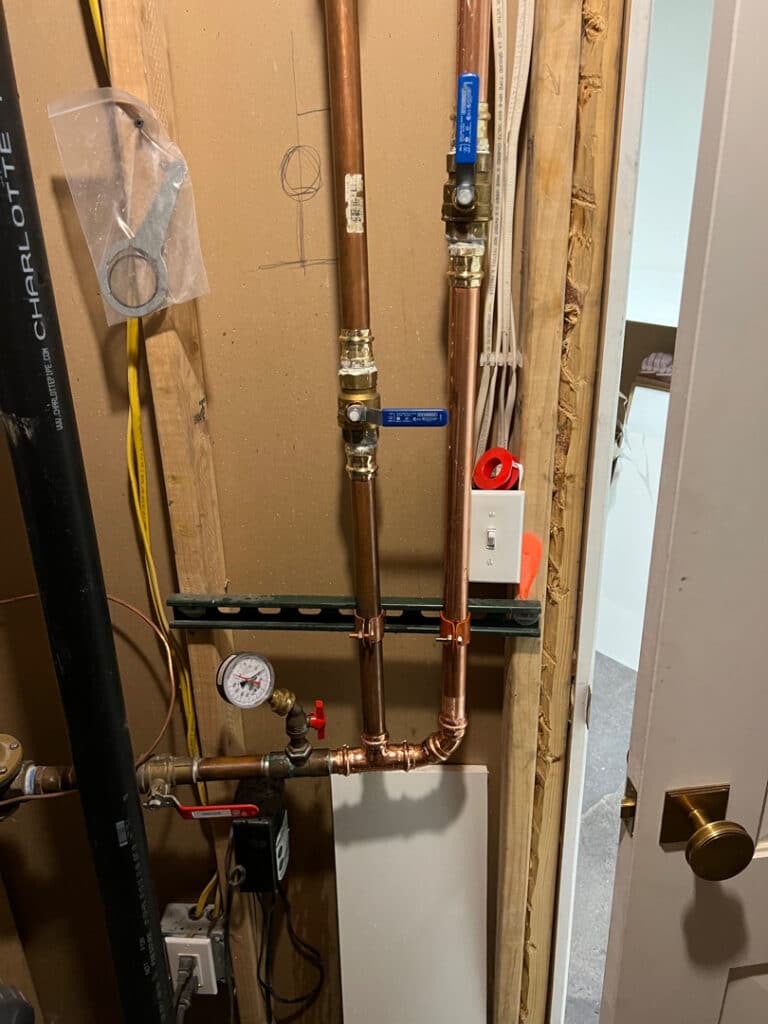
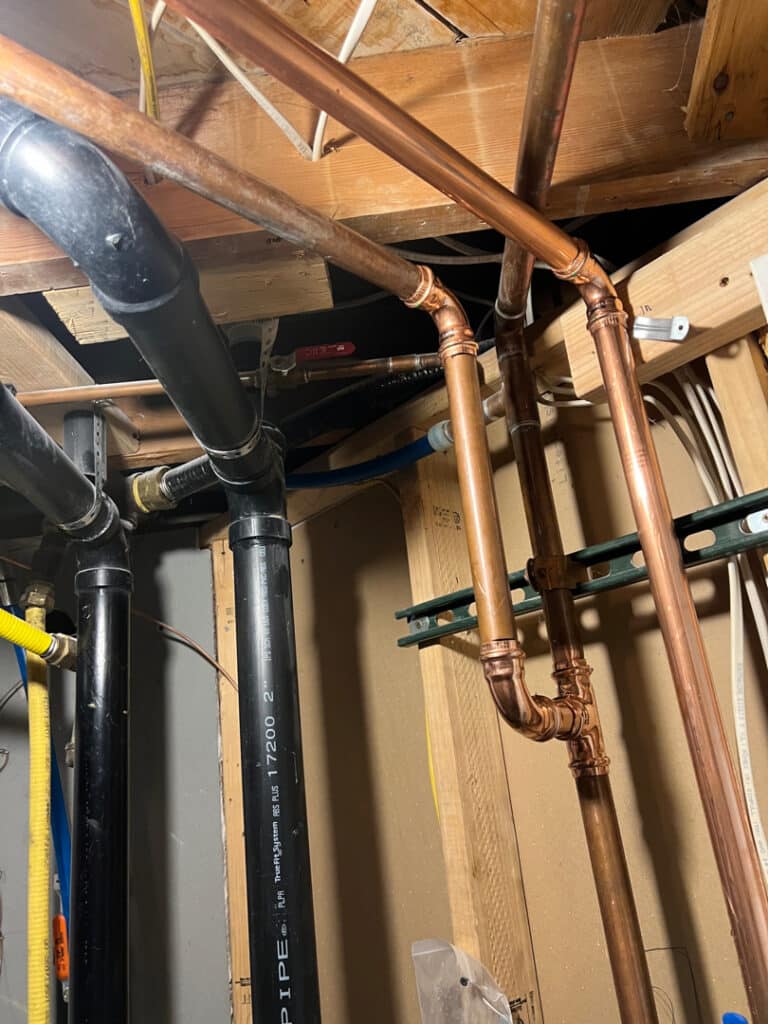
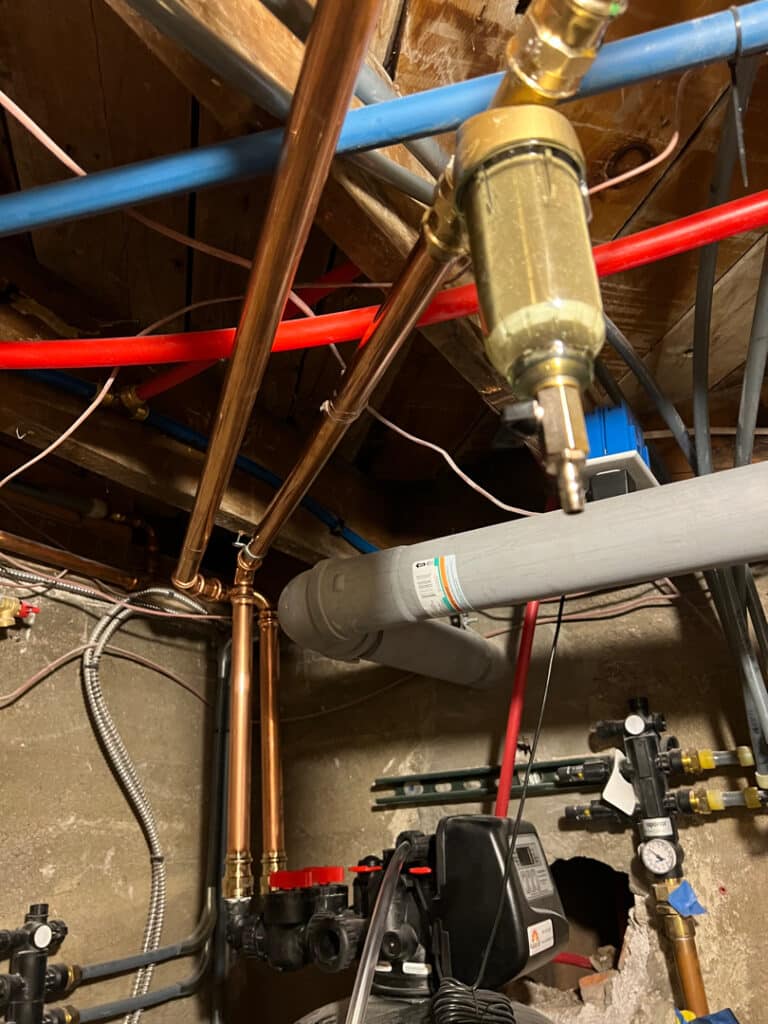
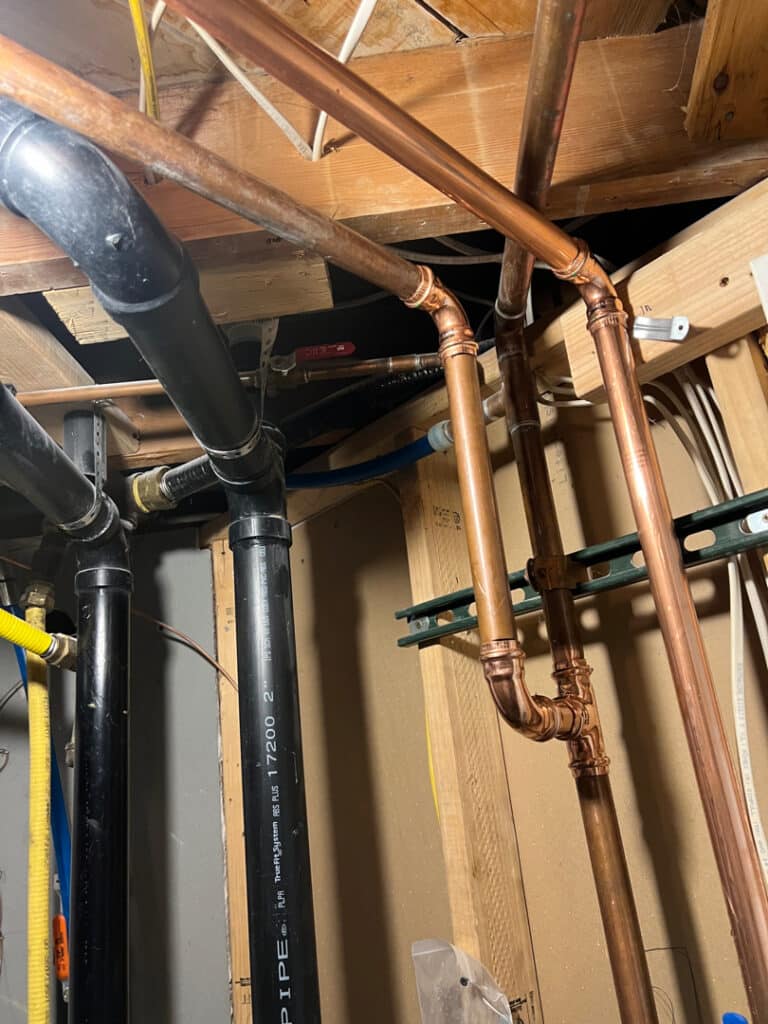
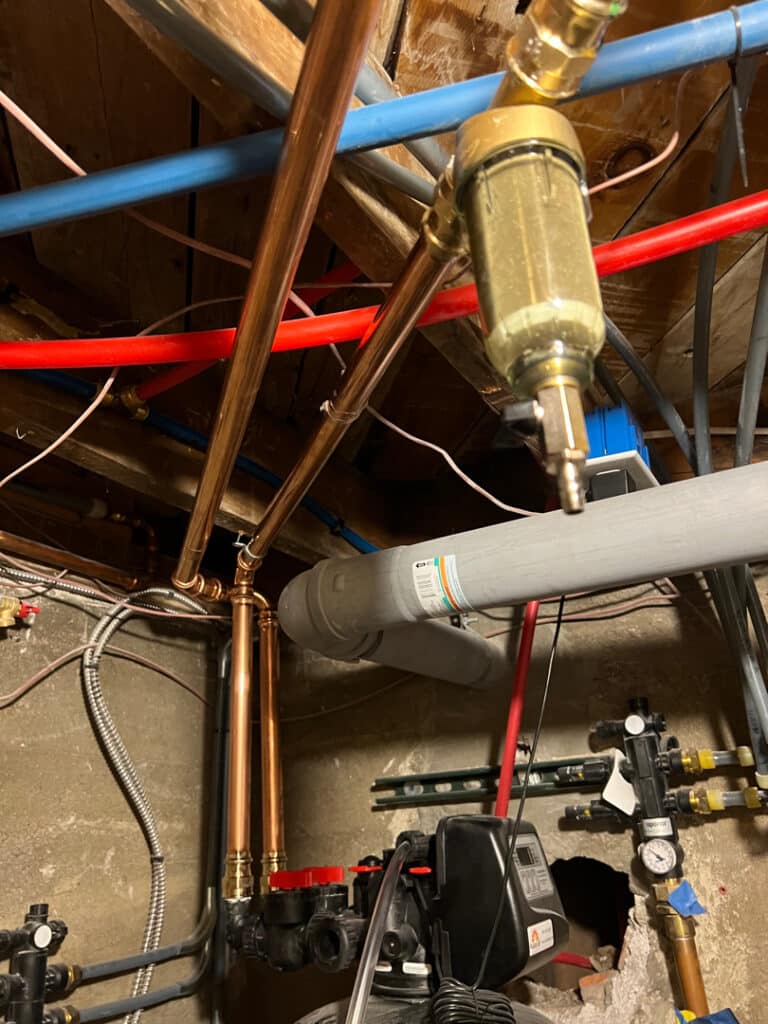
Softener Repipe & Expansion Tank Relocation - Boulder
- Problem: Repipe water softener and move thermal expansion tank on heat exchanger
- Found: The softener was piped with cross threads at the unit. Had to manually cut the threads to use standard fittings.
- Fixed: Potential for a leak was really high. Glad we found it and fixed it.
- Outcome: Replace old piping with new 1 inch copper , turn in and tested no leaks found, we also replaced a boiler drain on the storage tank that was dripping.
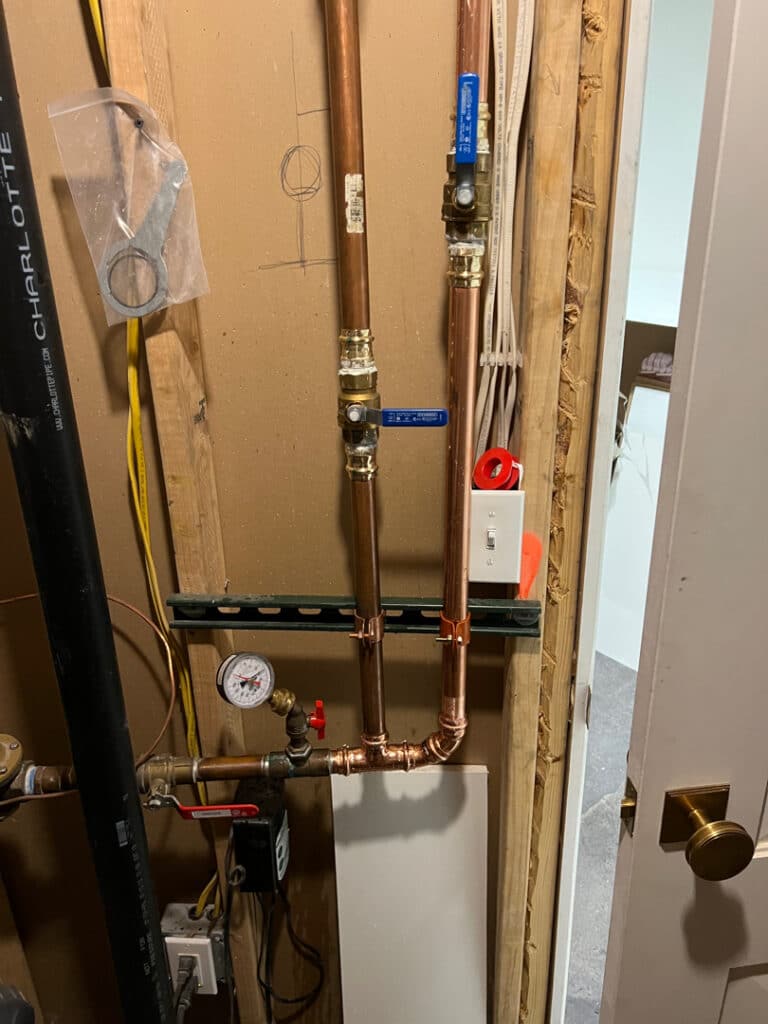
Repipe Water Softener & Relocate Expansion Tank - Boulder
- Problem: Repipe water softener and relocate expansion tank on heat exchanger
- Found: Potential for a leak was really high
- Fixed: Had to manually cut the threads to use standard fittings.
- Outcome: Found it and fixed it.
Why Choose Cardom Plumbing & Heating
Repiping represents a significant investment in your home – one that should be handled by plumbers who understand both the technical requirements and the local conditions affecting your system. Cardom Plumbing & Heating brings licensed, insured technicians – not just certified – to every project, backed by years of experience working specifically in Boulder County homes.
We maintain relationships with local building departments and understand the permit requirements for repiping projects in Boulder. Our familiarity with common construction methods used throughout different Boulder neighborhoods – from the historic homes near Pearl Street to mid-century ranches in Martin Acres – allows us to anticipate challenges and plan efficient solutions.
What Sets Us Apart
- Dedicated project managers who coordinate multi-day repiping work
- Clean worksite practices – we protect your floors, furniture, and belongings
- Coordination with drywall and painting contractors when needed for restoration
- Detailed documentation of new pipe locations for your records
- Follow-up inspection after project completion to verify system performance
Our technicians carry diagnostic equipment in their vehicles, allowing us to provide accurate assessments during initial consultations rather than requiring multiple visits before work begins.
Housing Characteristics & Repiping Considerations
Boulder's housing stock reflects distinct construction eras, each presenting unique repiping challenges. Understanding what's likely inside your walls helps us prepare for your project and provide accurate timelines.
Construction Eras and Common Pipe Materials
- Pre-1940s homes – Found in Mapleton Hill, Whittier, and downtown areas; often contain original galvanized steel pipes, lead service lines, and cast iron drains
- 1940s-1960s construction – Common in Table Mesa and Martin Acres; typically feature galvanized supply lines with copper becoming more prevalent in later years
- 1970s-1980s builds – Gunbarrel and east Boulder developments; may contain polybutylene (gray plastic) pipes prone to sudden failure
- 1990s-present – Usually copper or PEX systems; less likely to need full repiping but may have isolated issues
Architectural Considerations
Boulder features diverse home styles that affect repiping complexity:
- Multi-story Victorians with vertical pipe runs through multiple floors
- Ranch-style homes with slab foundations requiring alternative routing
- Split-level designs with pipes running through multiple wall cavities
- Finished basements where pipes may be concealed behind drywall
Homes with crawl spaces generally allow easier access to main supply lines, while slab construction may require routing new pipes through attic spaces or along exterior walls. We evaluate your home's specific layout to determine the least invasive approach.
Environmental Conditions & Repiping Implications
Boulder's Water Quality Characteristics
Boulder's municipal water comes primarily from the Boulder Creek watershed and undergoes treatment at the Betasso facility. While meeting all federal safety standards, the water carries characteristics that affect plumbing systems over time:
- Moderate hardness levels – approximately 50-100 mg/L calcium carbonate – contribute to scale buildup inside pipes
- Seasonal variations in source water quality affect mineral content throughout the year
- pH levels maintained between 7.0-8.5 can interact with older metallic pipes
Climate Impacts on Plumbing Systems
Boulder's semi-arid climate with extreme temperature swings creates specific stresses on residential plumbing:
- Over 150 days annually with temperatures dropping below freezing
- Rapid temperature changes – sometimes 40°F swings within hours – stress pipe joints
- Low humidity accelerates corrosion on exposed pipe surfaces
- Intense UV exposure degrades any plastic components in unprotected locations
Soil and Drainage Effects
Boulder's varied terrain includes expansive clay soils that shift seasonally. This movement affects underground water and sewer lines, sometimes causing:
- Joint separation at connections between house and main lines
- Stress fractures in rigid pipe materials
- Settling that creates low spots where sediment accumulates
Properties near Boulder Creek or in flood-prone areas may have experienced water intrusion that accelerated corrosion of underground piping systems.
Water Infrastructure Age and Pipe Material Data in Boulder
Boulder's water distribution system includes infrastructure dating back to the early 1900s, with significant expansion occurring during population growth periods in the 1950s-1970s. The city has been actively replacing aging water mains, but many residential service lines and interior plumbing systems remain original to their construction date.
Local Pipe Material Statistics
- Approximately 40% of homes built before 1970 in Boulder still contain some galvanized steel piping
- An estimated 15-20% of homes constructed between 1978-1995 may have polybutylene pipes – a material subject to a major class-action settlement due to failure rates
- Lead service lines connecting older homes to water mains remain present in some historic neighborhoods, though Boulder has programs to identify and replace these connections
- Copper theft during the 2008-2012 period led to some homes receiving partial repairs with mixed materials, creating galvanic corrosion at connection points
Municipal Infrastructure Considerations
Boulder's ongoing infrastructure improvements sometimes reveal issues with private-side plumbing during main line work. When city crews replace water mains, they often recommend homeowners evaluate their service lines and interior plumbing – particularly in neighborhoods like University Hill, Newlands, and the Whittier area where original infrastructure dates to the 1920s-1940s.
The city's water pressure varies by neighborhood and elevation. Homes in the foothills may experience higher pressure that accelerates wear on aging pipes, while some lower-elevation areas have historically had pressure fluctuations during peak demand periods. Modern repiping projects can incorporate pressure regulation to protect new pipes and fixtures from stress.


