
Recent Posts
How Colorado’s Freeze-Thaw Cycles Impact Underground Plumbing
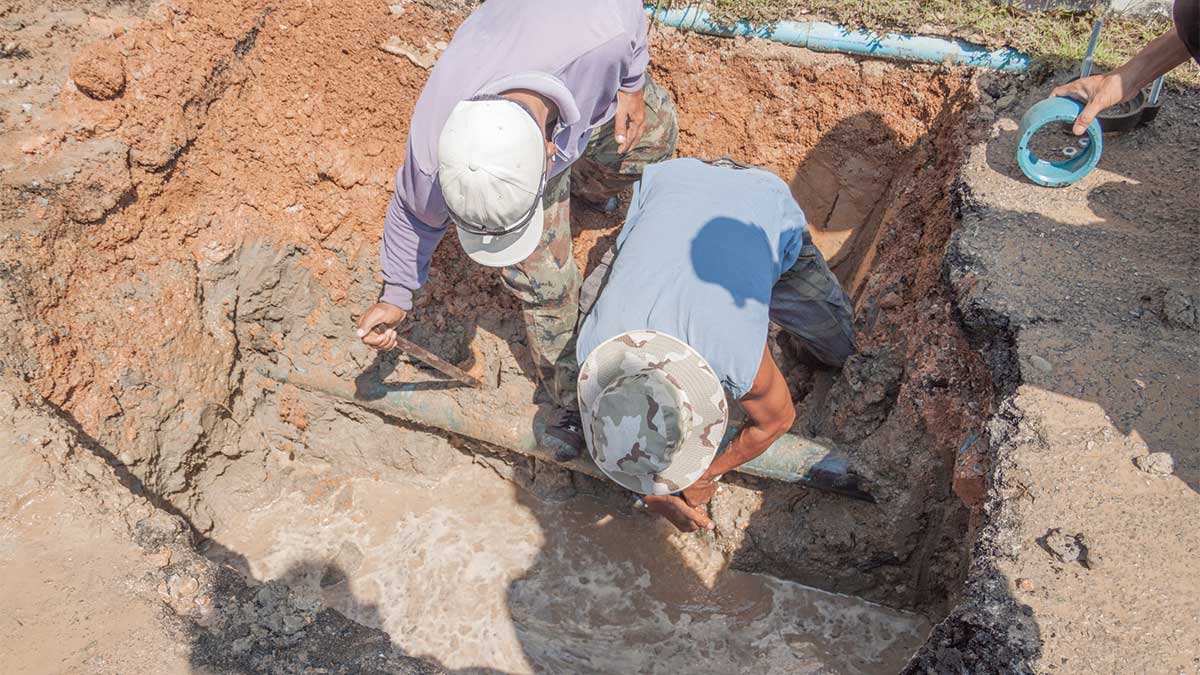
Colorado’s mountain climate puts underground plumbing systems under constant stress. Unlike states with steady winter temperatures, Colorado experiences rapid and repeated swings above and below freezing, often several times within a single week. Every one of these freeze-thaw cycles causes buried pipes to expand when temperatures rise and contract when the ground cools again. Over time, this repeated movement weakens pipe walls, joints, and connection points in materials like PVC, copper, and steel, making Colorado’s underground plumbing far more vulnerable to damage.
Even though building codes require water and sewer lines to be buried below the frost line, Colorado’s high elevations make this more challenging. In many mountain and Front Range communities above 5,000 feet, frost can penetrate 36 to 60 inches or more, sometimes deeper than standard installation depths. As frozen soil expands, it exerts pressure on pipe walls; when it thaws, the ground shifts and settles, forcing pipes out of alignment. These soil movements, combined with thermal expansion inside the pipes, create ideal conditions for cracks, leaks, and eventual system failure.
For these reasons, property owners and contractors must take Colorado’s unique climate into account when designing, installing, or repairing underground plumbing. In many cases, deeper burial, added insulation, sand bedding, or even heat-cable systems are necessary to protect pipes and ensure long-term reliability in the state’s harsh freeze-thaw environment.
Understanding the Science Behind Freeze-Thaw Cycles
Water expands by approximately 9% when it freezes at 32°F (0°C). In confined spaces like buried pipes, this expansion can generate pressures exceeding 40,000 PSI—far beyond the tensile strength of common plumbing materials such as copper, PVC, PEX, and galvanized steel. When internal ice pressure exceeds a pipe’s limits, cracks or bursts occur, causing costly emergency repairs.
Colorado’s mountain climate amplifies these risks. Rapid and repeated temperature swings above and below freezing, known as freeze-thaw cycles, cause water inside pipes to expand and contract repeatedly. Each cycle creates micro-fractures in pipe walls and joints, gradually weakening the system until failures like leaks or bursts occur.
Soil conditions further influence freeze risk. Wet, saturated soil conducts cold more quickly than dry soil, exposing buried pipes to freezing temperatures faster. Conversely, dry soil acts as natural insulation, slowing heat transfer. Proper burial depth below the frost line, as required by building codes like the International Plumbing Code (IPC) and International Residential Code (IRC), helps mitigate these risks.
Why Colorado’s Climate Creates Perfect Conditions for Underground Plumbing Damage
Colorado’s freeze-thaw cycles affect water supply lines and sewer systems differently.
Water supply lines carry pressurized water and are particularly vulnerable when temperatures drop below freezing. Expanding ice inside copper, PEX, or steel pipes can crack or burst the pipe walls. Codes typically require these pipes to be buried 36–48 inches below the surface and insulated in exposed areas to prevent freeze damage. Additional measures such as pipe insulation, heat tape, and backflow prevention devices help protect water lines in extreme conditions.
Sewer lines, in contrast, operate under gravity flow and usually sit deeper underground. While wastewater movement generates some natural heat, frost heave from freezing soil can shift and misalign sewer pipes over time. This ground movement stresses older clay and cast iron pipes, often causing joint separation or cracks. Contractors mitigate this by using flexible piping materials like PVC or ABS, stable sand or gravel bedding, and proper slope to maintain flow.
The Impact on Water Supply Lines vs. Sewer Systems
Colorado’s weather creates different freeze problems for water pipes and sewer pipes because these systems work differently and sit at different depths underground. Water supply pipes carry pressurized water and must be buried 36-48 inches deep according to IRC P2603.5.1 building codes. These pipes face serious freeze damage when ground frost penetrates deeper than the pipe location during severe cold snaps.
Water that sits still inside pipes freezes and expands with tremendous force, more than 40,000 pounds per square inch, which cracks and bursts the pipe walls.
Sewer pipes work using gravity flow rather than pressure and typically sit at comparable underground depths. The continuous movement of wastewater through sewer lines generates heat that protects against freezing temperatures.
Sewer systems face a different threat: the repeated freezing and thawing of surrounding soil creates ground movement that damages pipe connections and joints. This frost heave action particularly affects older clay pipes and cast iron sewer lines, which crack under the stress of shifting earth.
Both water and sewer infrastructure require proper stone bedding material installed according to ASTM D2321 engineering standards. This bedding layer provides stable support and drainage around buried pipes.
Water supply lines need extra protection measures beyond standard installation. These protective steps include foam insulation wrapping and burial depths that extend below the local frost penetration zone—the maximum depth that freezing temperatures reach into the ground during winter months.
Local building departments maintain frost depth maps based on historical weather data and soil conditions specific to each Colorado region.
Warning Signs Your Underground Plumbing May Be Compromised
Detecting underground plumbing damage early can save homeowners from costly emergency repairs. Common warning signs of failing buried water or sewer lines include:
- Persistent wet spots or standing water in the yard indicate leaks from damaged pipes.
- Foundation settling or ground sinkage, caused by erosion from water escaping underground.
- Low water pressure throughout the home signals a main water line crack or frost-induced pipe misalignment.
- Unexpectedly high water bills, despite normal usage, are often a sign of hidden leaks.
- Slow-draining sinks or multiple slow drains simultaneously, suggesting sewer pipes have shifted, separated, or sagged due to frost heave.
- Sewer odors near the foundation, which indicate cracked or leaking sewer pipes releasing gas.
Even when pipes are buried below the frost line as required by International Plumbing Code Section 305.6, repeated freeze-thaw cycles over the years can still cause deterioration in older plumbing systems.
Early detection methods like video pipe inspections allow property owners to catch problems before complete pipe failure occurs, avoiding emergency excavation and full underground plumbing replacement.
Common causes of underground plumbing damage include:
- Soil movement from freeze-thaw cycles
- Erosion that removes support under pipes
- Tree root intrusion into pipe joints
- Corrosion in metal pipes (copper, galvanized steel, cast iron)
- Age-related wear in clay or older cast iron sewer lines
For homes with aging buried utilities, scheduling preventive inspections every 3–5 years is highly recommended. Regular checks help maintain water and sewer line integrity, reduce emergency repair costs, and extend the lifespan of your underground plumbing system.
Common Types of Underground Pipe Damage From Temperature Fluctuations
When ground temperatures fall below the freezing point (32°F) and later warm up, buried pipes break in specific ways. The type of damage depends on what the pipe is made of and how deeply workers buried it.
Main types of pipe damage:
- Lengthwise cracks – Water freezes and expands inside the pipe, creating long splits that run down the pipe’s length. This affects hard materials like cast iron, clay pipes, and older plastic (PVC) pipes that builders installed too close to the surface, above where frost penetrates the ground.
- Separated joints – When frozen ground expands and pushes upward (frost heaving), it forces connected pipe sections apart. This breaks the seals where pipes join together at coupling points, causing leaks.
- Ring breaks – Frozen water pushes outward against pipe walls, causing the entire pipe circle to snap. This happens most often in narrow pipes with thin walls that cannot handle the pressure.
- Weakened plastic – When pipes go through many freeze-thaw cycles, the plastic material breaks down at the molecular level. The pipes become brittle and crack easily, falling below the strength requirements set by the American Society for Testing and Materials (ASTM Standard D1785).
Each type of break needs a different repair method that follows local building codes and plumbing regulations.
Professional plumbers use these standards to fix damaged water lines, sewer pipes, and drainage systems correctly.
How Different Pipe Materials Respond to Freeze-Thaw Stress
Each pipe material reacts differently when water inside freezes and thaws. The reaction depends on what the pipe is made of, how much it can stretch, and how it responds to hot and cold temperatures.
Copper Pipes
Copper pipes follow UPC Section 604 building standards. These metal pipes move heat quickly through their walls. When temperatures drop, copper shrinks fast. This creates pressure where pipes connect with solder (the metal glue that joins pipe sections). The weak points are these soldered joints, not the pipe itself.
PEX Tubing
PEX (cross-linked polyethylene) plastic tubing handles freezing better than most materials. The molecular structure of PEX allows the pipe walls to stretch. When ice forms inside, PEX can expand to 3 times its normal width without breaking.
ASTM F876 testing standards verify this flexibility. The pipe returns to its original shape after the ice melts.
PVC and CPVC Pipes
PVC (polyvinyl chloride) and CPVC (chlorinated polyvinyl chloride) plastic pipes become fragile when temperatures reach 32°F or below. These materials lose 50% of their impact strength at freezing temperatures.
ASTM D1785 specifications measure this brittleness. A frozen PVC pipe can crack from a light bump or the pressure of expanding ice.
Cast Iron Pipes
Cast iron pipes keep their shape during freeze-thaw cycles. The metal walls are thick and strong.
Older cast iron with rust damage fails suddenly when ice expands inside. The corrosion (rust) creates thin spots that burst under pressure.
Galvanized Steel Pipes
Galvanized steel pipes have a zinc coating that protects against rust. These pipes survive the first few freeze events.
Ice expansion creates tiny cracks in the metal. Water enters these micro-fractures and speeds up corrosion. The zinc coating breaks down faster at crack locations.
Choosing the Right Material
Builders must select pipe materials based on frost depth (how deep the ground freezes) in their area.
IRC Section P2604 requires matching pipe type to soil classification. Sandy soil, clay soil, and rocky soil drain water differently, affecting freeze risk around buried pipes.
The Role of Soil Moisture in Accelerating Pipe Deterioration
Moist soil significantly increases the risk of buried pipe damage in Colorado’s freeze-thaw climate. When water fills the pores between soil particles and freezes, it expands by up to 9%, creating lateral and vertical pressures against pipe walls. These forces often exceed manufacturer design limits, even for pipes built to ASTM D2321 standards.
When ice melts, voids form in the surrounding soil, reducing the bedding support that stabilizes pipes. Repeated freeze-thaw cycles weaken pipe connections and walls, especially in clay soils that alternate between wet and dry conditions. Over time, this leads to:
- Joint separation: Pipes pull apart at connection points
- Wall deflection: Pipes bend or collapse under soil pressure
- Structural fatigue: Materials weaken from repeated stress
Moisture-rich soil conditions accelerate deterioration, causing pipes to fail well before the American Water Works Association’s (AWWA C900/C950) estimated service life.
The Expansion and Contraction Process in Soil and Its Effects on Pipes
As soil around buried pipes freezes and thaws, it generates pressures up to 2,000 PSI, far exceeding the strength of Schedule 40 PVC pipes, which handle only 150 PSI at room temperature. Freezing water forms ice crystals that push soil particles apart, creating both vertical and horizontal forces that stress buried infrastructure.
Key types of damage from freeze-thaw soil movement include:
- Frost heave displacement: Ice lifts pipes vertically up to 2 inches per freeze cycle.
- Lateral soil pressure: Expanding soil pushes horizontally, stressing elbows, junctions, and pipe bends.
- Joint separation: Repeated soil movement loosens threaded, push-fit, and snap-together connections.
- Material fatigue: Each cycle adds stress, eventually causing brittle cracks in PVC, copper, or other pipe materials.
Repeated freeze-thaw cycles not only weaken pipes but also compromise the long-term reliability of Colorado’s underground plumbing systems. Proper burial depth, soil drainage, and insulation are critical to reduce pressure on pipes and extend their service life.
Proper Burial Depths for Different Types of Underground Pipes
Underground pipes in Colorado need protection from freezing temperatures that reach different depths depending on location and altitude. The International Plumbing Code sets minimum burial depths at 12 inches below the frost line for water service pipes. Along Colorado’s Front Range urban corridor, this means burying pipes 36 to 48 inches deep.
Mountain towns at higher elevations require 60 inches or deeper.
PVC schedule 40 pipe becomes brittle when frozen and needs more protection than copper pipe. Sewer lines carry warm wastewater that helps prevent freezing, so they can sit at shallower depths—30 inches minimum works for most locations.
Local building departments maintain frost depth charts based on weather records and ground elevation for their specific area. Pipe installers must check these requirements before digging. Pipes buried too shallow will freeze, crack, and require expensive emergency repairs during the winter months.
Key factors affecting burial depth include:
- Geographic location within Colorado
- Elevation above sea level
- Soil composition and drainage characteristics
- Pipe material and diameter
- Whether the pipe carries potable water or wastewater
Building inspectors verify proper depth before allowing contractors to backfill trenches. This inspection protects property owners from future freeze damage and ensures the municipal water system remains intact during cold weather periods.
Insulation and Protection Methods for Vulnerable Pipe Sections
Properly buried water pipes can still freeze at spots where they come up near ground level or pass through cold areas. Building code IRC Section P2603.6 requires freeze protection for these exposed pipe sections. Property owners and plumbers must protect these weak points:
- Foam pipe insulation rated at R-4 minimum for pipes running through crawl spaces and foundation walls
- Electric heat tape or heat cable with automatic thermostat control (UL certified) for locations that freeze repeatedly during winter months
- Insulated pipe sleeves extending 12 inches past the point where frost depth changes and pipes turn upward toward buildings
- Foam board barriers are placed between cold concrete or metal surfaces and water pipes in mechanical rooms or utility spaces
The insulation material must cover the entire pipe length without gaps or crushed sections. Gaps in coverage reduce the protection value by 30-50%.
This means broken or compressed insulation fails to prevent freezing, wasting the time and money spent installing it. Water damage from burst pipes costs homeowners thousands of dollars in repairs and creates health hazards from mold growth in walls and ceilings.
Colorado’s Plumbing Code Requirements for Frost Protection
Colorado uses the International Plumbing Code (IPC) across the state with local changes. This code sets minimum depths and protection standards for all plumbing work. Section 305.4 states that water service pipes must go below the frost line. The frost line means the deepest point where the ground freezes in winter. This depth ranges from 36 to 48 inches based on elevation and local area rules.
| Requirement | Standard Depth | Alternative Protection |
| Water Service Lines | 36-48 inches | Insulation + heat trace cable |
| Sewer Lines | 12-18 inches | Proper slope for drainage |
| Exterior Fixtures | Below the frost line | Frost-proof yard hydrants |
| Foundation Penetrations | Sealed openings | Expansion-rated sealant materials |
Local City and County Rules
Cities and counties add their own requirements to the state code. Denver requires a 42-inch minimum depth under IPC Section 305.4.1. This measurement applies to water service pipes within city limits. Other municipalities like Colorado Springs, Boulder, and Fort Collins set depths based on their climate zones and soil conditions.
Licensed plumbing contractors must check the specific rules for each jurisdiction before starting work. The frost line depth varies across Colorado’s mountain regions, plains, and urban areas. Proper compliance with both state code and local amendments protects water supply systems from freeze damage, pipe bursts, and service interruptions during cold weather months.
Cost Implications of Freeze-Thaw Related Plumbing Failures
Frozen pipes that burst create repair bills between $500 and $10,000 for each incident. The final cost depends on where the pipe breaks and how much damage occurs. Property owners pay for the pipe repairs first. Then they face additional costs for water damage cleanup, mold removal, and temporary housing while contractors fix the home.
Major Cost Categories:
- Emergency repairs – Plumbers charge $150-$250 per hour for after-hours service calls. Material costs include new pipe sections, copper or PEX tubing, soldering supplies, and replacement fixtures like faucets and valves.
- Property damage – Water seeps into walls, ceilings, and floors. Restoration contractors remove wet drywall sheets, soaked insulation batts, damaged hardwood flooring, and compromised floor joists.
- Structural engineers may need to assess load-bearing beams and foundation integrity.
- System upgrades – Building inspectors require improvements during repairs. The International Plumbing Code Section 305.4 mandates proper pipe protection. Contractors install foam pipe insulation sleeves, electric heat tape cables, and sometimes reroute water lines away from exterior walls and unheated crawl spaces.
- Insurance adjustments – Homeowners insurance policies require deductibles from $1,000 to $5,000 before coverage starts. Insurance companies raise monthly premiums by 15-25% after claims.
- Policies may exclude future damage if the insurance adjuster determines the homeowner failed to perform basic winterization maintenance, like draining outdoor hose bibs or maintaining adequate heating.
Winterization measures cost 10-20% of what property owners would spend on freeze damage repairs. Preventive steps include pipe insulation, thermostat settings above 55°F, cabinet door positioning to allow warm air circulation, and seasonal outdoor faucet drainage.
Repair vs. Replacement: Making the Right Decision After Damage Occurs
When frozen pipes burst or crack during Colorado winters, homeowners must decide whether to repair the damaged section or replace the entire system. Professional plumbers assess the situation using pressure tests (per International Plumbing Code Section 312) and visual inspections to determine the most effective and long-term solution.
| Damage Type | Repair Option | Replacement Needed |
| Single pipe crack | Install a coupling or a sleeve | Multiple cracks along the line |
| Isolated joint failure | Re-solder or replace the fitting | System-wide joint wear |
| Surface frost damage | Add insulation and patch | Pipes fail repeatedly each winter |
Factors Influencing the Decision
- Pipe material: Copper, PEX, PVC, or galvanized steel respond differently to stress and repairs.
- System age: Pipes older than 40 years often have reduced structural integrity.
- Code compliance: Older systems may not meet current safety standards.
- Frequency of failure: Recurring freeze damage indicates systemic weakness that repairs alone cannot solve.
For older underground plumbing systems, repeated freeze-thaw damage can make continuous repairs more costly than a full pipe replacement.
Trenchless methods offer a less disruptive alternative for underground pipe repair or replacement. Plumbers can insert pipe liners or pull new pipes through existing conduits, avoiding extensive excavation of yards, driveways, or foundations. This approach reduces labor costs, minimizes property disruption, and restores water delivery system performance while meeting modern safety standards.
When to Schedule Professional Underground Plumbing Inspections
Underground plumbing systems need regular inspections based on what your pipes are made of, the type of soil around them, and whether freezing temperatures affect them.
Don’t wait until you see water damage or sewage problems. Professional camera inspections catch cracks, loose connections, and pipes pushed out of place by freezing ground before major breaks happen.
When to Get Your Underground Pipes Inspected:
- New Construction: Get a baseline inspection during the first year to document how your system looks when new (follows International Residential Code Section P2503.5.1)
- High-Risk Systems: Schedule yearly inspections if your pipes sit in soil that freezes easily or if they’re buried less than 36 inches deep
- Aging Infrastructure: Get inspections every two years for plumbing systems older than 15 years, especially those using cast iron pipes or clay tile pipes
- After Damage Events: Schedule an inspection right away if your home’s foundation shifts, you change your yard’s drainage patterns, or nearby pipes fail
Early detection through planned inspection schedules cuts emergency repair costs by 60-80% compared to waiting until pipes break and cause water damage, foundation problems, or sewage backups.
Regular inspections protect your property value and prevent health hazards from contaminated water or sewage exposure.
Preventive Maintenance Strategies for Colorado Homeowners
Colorado’s wild temperature swings create serious risks for home plumbing systems. Pipes freeze and thaw repeatedly, causing cracks, bursts, and expensive water damage. Smart homeowners protect their properties by checking plumbing before problems start.
Annual Inspection Methods
Thermal imaging cameras detect heat escaping from underground water lines. These scans show weak spots where cold air reaches pipes buried less than 36 inches deep—the minimum depth required by building codes (International Residential Code Section P2603.5.1).
Finding these problem areas early prevents freeze damage later.
Equipment Upgrades
Frost-proof yard hydrants (outdoor faucets) contain built-in shut-off valves located below the frost line. Unlike standard outdoor faucets, these devices drain themselves after each use.
This self-draining feature stops water from sitting in the pipe where it can freeze.
Temperature Control
Keep your home thermostat at the same temperature day and night during cold months. Constant indoor warmth protects pipes inside walls and crawl spaces.
Temperature ups and downs stress pipe materials, creating tiny cracks that grow larger over time.
Seasonal Preparation
Drain all outdoor water lines before November arrives. Empty pipes cannot freeze. This includes garden hoses, sprinkler systems, swimming pool plumbing, and exterior faucets.
Trapped water expands when it freezes, splitting pipes and fittings.
Insulation Requirements
Wrap exposed pipes in unheated areas with foam insulation sleeves rated R-3 or higher. The R-value measures how well a material stops heat transfer.
Higher numbers mean better protection. Focus on pipes in crawl spaces, attics, garages, and exterior walls.
Record Keeping
Write down dates when pipes have frozen at your property in past years. Track local temperature records for those events.
This history shows which months need extra attention and which pipes face the highest risk.
Emergency Shutoff Planning
Install water shut-off valves at key locations throughout your plumbing system. Mark these valves clearly.
When a pipe breaks, quick valve closure stops flooding in one area while keeping water flowing to the rest of your home.
Know where your main water shut-off valve sits before emergencies happen.